Winter Wellness: Proactive Strategies for SAD Resilience 2026-2027
As the days grow shorter and the crisp air of autumn begins to bite, many of us feel a subtle shift in our mood and energy levels. For some, this shift is more profound, signaling the onset of Seasonal Affective Disorder (SAD). While the winter of 2026-2027 may seem distant, adopting SAD Resilience Strategies now is crucial for proactive mental well-being. This comprehensive guide will equip you with time-sensitive, evidence-based methods to not only cope with but thrive during the colder months.
SAD is a type of depression that recurs seasonally, most commonly during the fall and winter months. It’s more than just the “winter blues”; it’s a recognized medical condition that can significantly impact daily life. Understanding its mechanisms and symptoms is the first step toward building effective SAD Resilience Strategies. The primary culprit is believed to be the decrease in natural sunlight, which disrupts our internal biological clock (circadian rhythm) and reduces serotonin levels, a neurotransmitter that affects mood. It can also lead to an overproduction of melatonin, a hormone that regulates sleep, making individuals feel more lethargic and sleepier.
The symptoms of SAD can vary but often include persistent low mood, loss of interest in activities once enjoyed, changes in appetite (often cravings for carbohydrates), increased sleep, low energy, difficulty concentrating, and social withdrawal. Recognizing these signs early is paramount to implementing timely interventions and strengthening your SAD Resilience Strategies before the symptoms become debilitating.
Understanding the Science Behind SAD and Its Impact
To effectively build SAD Resilience Strategies, it’s essential to delve deeper into the scientific underpinnings of this condition. The human body is remarkably attuned to its environment, and the changing seasons profoundly affect our physiology. When daylight hours diminish, our brain’s chemistry can go awry. The suprachiasmatic nucleus (SCN), a small region in the hypothalamus, acts as our body’s master clock, regulating circadian rhythms. Light exposure, particularly bright morning light, signals the SCN to regulate hormones like melatonin and serotonin. Less light means less regulation, leading to imbalances.
Serotonin, often dubbed the “feel-good” neurotransmitter, plays a critical role in mood, appetite, and sleep. Studies show that people with SAD may have lower levels of serotonin activity during winter. Conversely, melatonin, the sleep hormone, is produced in greater quantities when it’s dark. In individuals with SAD, this production can be excessive and prolonged, contributing to feelings of lethargy and hypersomnia. The interplay of these neurotransmitters, coupled with the disruption of the circadian rhythm, creates the perfect storm for SAD symptoms to emerge.
Furthermore, vitamin D, often called the “sunshine vitamin,” is synthesized in the skin upon exposure to sunlight. Many individuals, especially in higher latitudes, become vitamin D deficient during winter. Research suggests a link between low vitamin D levels and depression, including SAD. While not a direct cause, adequate vitamin D levels are considered an important component of overall mental health and can contribute to robust SAD Resilience Strategies.
The impact of SAD extends beyond individual symptoms. It can affect relationships, academic performance, work productivity, and overall quality of life. The cyclical nature of SAD means that individuals anticipate its return, which can itself be a source of anxiety. Therefore, a proactive and multi-faceted approach to SAD Resilience Strategies is not just beneficial but necessary for long-term well-being.
Proactive Measures: Starting Your SAD Resilience Journey Early
The key to building effective SAD Resilience Strategies lies in proactive preparation. Waiting until symptoms appear often means playing catch-up. Starting your resilience journey in late summer or early autumn for the winter of 2026-2027 allows you to establish routines and habits that can significantly mitigate the impact of SAD.
Light Therapy: Your Daily Dose of Sunshine
Light therapy, or phototherapy, is one of the most effective and widely recommended treatments for SAD. It involves daily exposure to a special light box that mimics natural outdoor light. The goal is to compensate for the lack of natural sunlight during darker months.
When choosing a light therapy box, look for one that provides 10,000 lux of light and emits as little UV light as possible. Typically, 20-30 minutes of exposure each morning, ideally within the first hour of waking, can make a significant difference. Position the light box at an angle to your face, avoiding direct staring into the light, as this can strain your eyes. Consistency is key; make it a part of your daily routine, much like brushing your teeth. Starting this intervention early in the fall, even before symptoms fully manifest, can be a powerful preventative SAD Resilience Strategy.
Optimizing Your Environment for Well-being
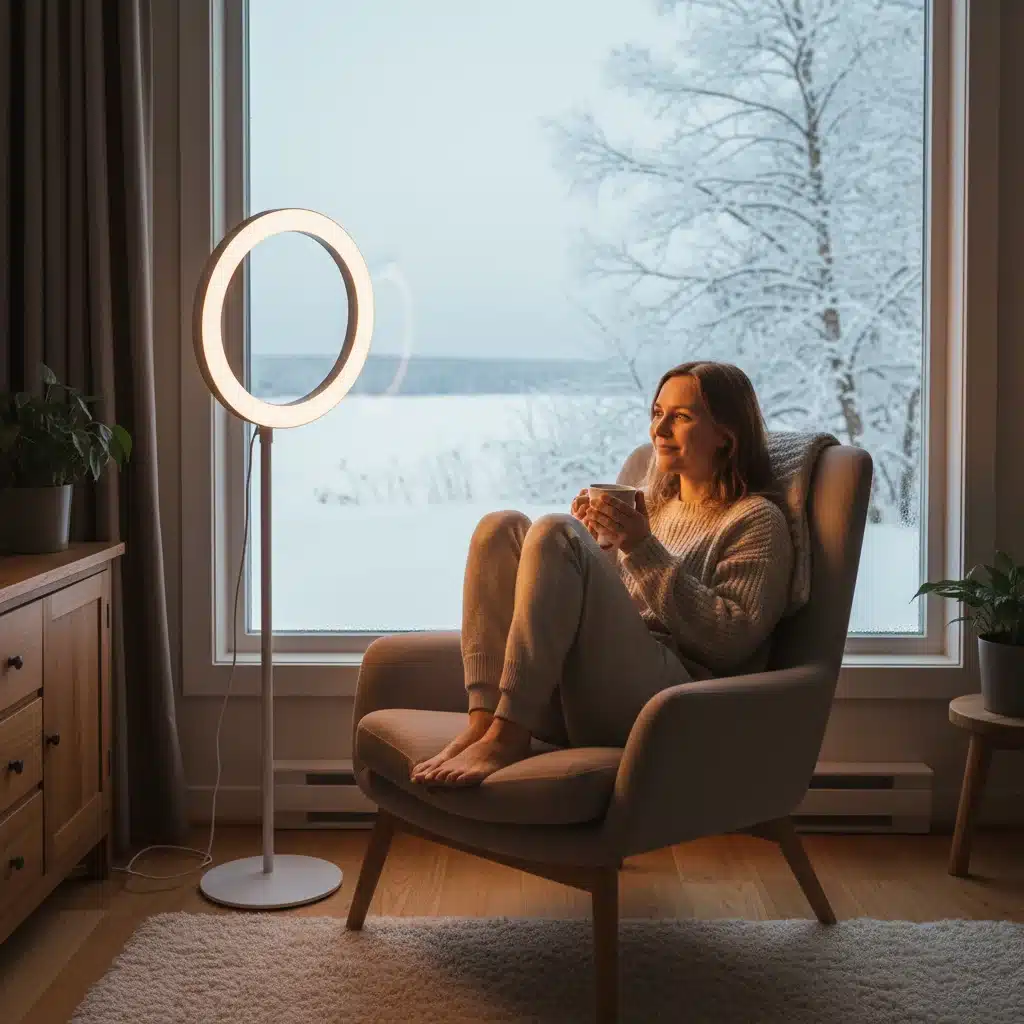
Your living and working spaces can greatly influence your mood. Maximizing natural light exposure is a simple yet effective SAD Resilience Strategy. Open curtains and blinds immediately upon waking. Trim tree branches that block sunlight. Consider reflective surfaces or strategically placed mirrors to bounce light around a room. If possible, arrange your furniture to be closer to windows. Even on cloudy days, natural light still offers benefits over artificial indoor lighting.
Beyond natural light, ensure your indoor lighting is adequate. “Full-spectrum” light bulbs, which mimic natural daylight, can be a good investment for areas where you spend a lot of time. Creating a cozy, inviting atmosphere with warm colors, comfortable textures, and perhaps even an aromatherapy diffuser can also contribute to a sense of well-being during the darker months.
Lifestyle Adjustments: Holistic Approaches to SAD Resilience
While light therapy addresses the direct impact of reduced sunlight, a holistic approach incorporating lifestyle adjustments can significantly bolster your SAD Resilience Strategies.
The Power of Movement: Exercise as a Mood Booster
Regular physical activity is a well-documented mood enhancer and a vital component of any mental health strategy, including coping with SAD. Exercise releases endorphins, natural mood lifters, and can help regulate sleep patterns and reduce stress. Aim for at least 30 minutes of moderate-intensity exercise most days of the week.
Crucially, try to incorporate outdoor exercise whenever possible, especially during daylight hours. Even on a cold or overcast day, exposure to natural light while exercising can amplify the benefits. A brisk walk during your lunch break, a weekend hike, or even just gardening can make a difference. If outdoor exercise isn’t feasible, indoor activities like yoga, dancing, or gym workouts are still highly beneficial. The consistency of incorporating movement into your routine is a powerful SAD Resilience Strategy.
Nutritional Foundations: Fueling Your Mind and Body
What you eat plays a significant role in your mood and energy levels. During winter, there’s often a tendency to crave comfort foods high in carbohydrates and sugar, which can lead to energy crashes and exacerbate feelings of lethargy. Building SAD Resilience Strategies through nutrition means focusing on a balanced diet rich in whole foods.

Emphasize foods rich in omega-3 fatty acids, found in fatty fish like salmon, flaxseeds, and walnuts, which are known to support brain health. Incorporate plenty of fruits and vegetables for essential vitamins and antioxidants. Lean proteins can help stabilize blood sugar and provide sustained energy. Pay attention to your vitamin D intake; while sunlight is the primary source, dietary sources like fortified milk, cereals, and supplements can help, especially in winter. Consult with a healthcare professional before starting any new supplement regimen.
Prioritizing Sleep Hygiene
Sleep disturbances are a common symptom of SAD. While some experience hypersomnia (excessive sleep), others may find their sleep patterns disrupted. Establishing a consistent sleep schedule is a fundamental SAD Resilience Strategy. Go to bed and wake up at the same time each day, even on weekends, to regulate your circadian rhythm.
Create a relaxing bedtime routine: dim the lights, avoid screens for at least an hour before bed, and consider activities like reading or a warm bath. Ensure your bedroom is dark, quiet, and cool. If you tend to oversleep, setting an alarm and getting out of bed promptly can help counteract the urge to stay under the covers.
Mental and Emotional Fortification: Beyond Lifestyle
Effective SAD Resilience Strategies also involve directly addressing the mental and emotional aspects of the disorder.
Cognitive Behavioral Therapy (CBT) for SAD
CBT is a highly effective form of psychotherapy that helps individuals identify and change negative thought patterns and behaviors contributing to their depression. For SAD, a specialized form called CBT for SAD (CBT-SAD) has shown promising results. It focuses on helping individuals reframe their thoughts about winter, plan engaging activities, and develop coping skills for seasonal changes.
CBT-SAD can teach you to challenge unhelpful thoughts like “winter is miserable” and replace them with more balanced perspectives. It also encourages behavioral activation, prompting individuals to engage in enjoyable activities even when they don’t feel like it, which can counteract social withdrawal and anhedonia (loss of pleasure). Seeking a therapist trained in CBT-SAD in the fall of 2026 can be an invaluable long-term SAD Resilience Strategy.
Building a Strong Social Support Network
Social isolation can worsen depressive symptoms, and people with SAD often tend to withdraw. Actively fostering and maintaining social connections is a crucial SAD Resilience Strategy. Make plans with friends and family, even if it’s just for a virtual chat. Join clubs or groups that align with your interests. Volunteering can also provide a sense of purpose and connection.

Communicate openly with your loved ones about what you’re experiencing. Having a support system that understands and can offer encouragement can make a significant difference during challenging times. Don’t be afraid to reach out for help when you need it.
Mindfulness and Stress Reduction Techniques
The stress of daily life, combined with the physiological changes of winter, can amplify SAD symptoms. Incorporating mindfulness and stress reduction techniques into your routine can be powerful SAD Resilience Strategies. Practices like meditation, deep breathing exercises, and yoga can help you stay grounded, reduce anxiety, and improve emotional regulation.
Mindfulness involves focusing on the present moment without judgment. This can be particularly helpful in observing seasonal changes without getting caught in negative thought spirals. Even a few minutes of mindful breathing each day can have cumulative benefits on your mental well-being.
Advanced Planning for Winter 2026-2027: A Timeline for Resilience
For the winter of 2026-2027, a structured approach to implementing your SAD Resilience Strategies can be highly effective. Think of it as a seasonal mental health plan.
Late Summer/Early Autumn (August-September 2026)
- Assess and Reflect: Review past winters. What triggered your SAD symptoms? What helped? What didn’t?
- Consult Your Doctor: Discuss your history of SAD and potential interventions. Consider blood tests for vitamin D levels.
- Research Light Therapy: If you don’t have one, research and purchase a 10,000-lux light therapy lamp. Familiarize yourself with its proper use.
- Plan Your Exercise Routine: Identify outdoor activities you enjoy and can continue into the cooler months. Find indoor alternatives.
- Start a Journal: Begin tracking your mood and energy levels to identify patterns.
Mid-Autumn (October-November 2026)
- Begin Light Therapy: Start using your light therapy lamp daily, even if symptoms haven’t fully appeared. Consistency is key for prevention.
- Optimize Your Environment: Maximize natural light at home and work. Consider full-spectrum bulbs.
- Adjust Diet: Transition to a SAD-friendly diet, focusing on whole foods, omega-3s, and vitamin D sources.
- Schedule Social Engagements: Proactively plan activities with friends and family throughout the winter season.
- Explore Therapy: If considering CBT-SAD, schedule initial consultations with therapists.
Winter (December 2026-February 2027)
- Maintain Routines: Stick to your light therapy, exercise, nutrition, and sleep schedules religiously.
- Engage in Enjoyable Activities: Actively pursue hobbies and interests, even if motivation is low.
- Practice Mindfulness: Integrate daily meditation or deep breathing to manage stress.
- Stay Connected: Regularly reach out to your support network.
- Monitor Symptoms: Continue journaling and be aware of any changes. Don’t hesitate to adjust your strategies or seek professional help if symptoms worsen.
Overcoming Common Challenges in SAD Resilience
Even with the best intentions, implementing SAD Resilience Strategies can present challenges. Anticipating these obstacles can help you develop contingency plans.
Lack of Motivation
One of the hallmark symptoms of SAD is low energy and a lack of motivation. This can make it incredibly difficult to stick to exercise routines, social plans, or even light therapy. To combat this, start small. Instead of aiming for a 30-minute workout, commit to 10 minutes. Break down larger tasks into manageable steps. Reward yourself for small victories. Remember that consistency, even in small doses, is more important than sporadic, intense efforts.
Time Constraints
Modern life is busy, and finding time for self-care can feel impossible. However, viewing your SAD Resilience Strategies as non-negotiable appointments can help. Schedule your light therapy, exercise, and social engagements in your calendar just as you would work meetings. Multitasking can also be an option: listen to a podcast during your light therapy session, or combine a social catch-up with an outdoor walk.
Financial Barriers
Light therapy lamps and therapy sessions can be an investment. Look for affordable options or consider if your insurance covers therapy. Many community centers offer free or low-cost exercise classes. Focus on free and low-cost strategies first, such as maximizing natural light, outdoor walks, and connecting with friends. Remember, many effective SAD Resilience Strategies don’t require significant financial outlay.
The “It Won’t Work for Me” Mindset
Negative self-talk can be a powerful barrier. It’s important to challenge these thoughts. Remind yourself that SAD is a treatable condition and that many people find significant relief through these strategies. Give each strategy a fair chance, and if one isn’t working, consult with a professional to adjust your approach. Persistence and a belief in your ability to manage your mental health are crucial.
When to Seek Professional Help
While these SAD Resilience Strategies are highly effective for many, it’s crucial to know when to seek professional help. If your symptoms are severe, significantly impacting your daily life, or if you experience thoughts of self-harm, please reach out to a mental health professional immediately. This includes persistent feelings of hopelessness, severe fatigue, overwhelming cravings, or an inability to function at work or home.
A doctor or therapist can offer additional treatments such as antidepressants, further psychotherapy, or a combination of approaches tailored to your specific needs. They can also rule out other conditions that might mimic SAD symptoms. Integrating professional guidance with your self-care SAD Resilience Strategies provides the most comprehensive approach to managing your well-being.
Conclusion: Embracing Winter with Resilience
The prospect of winter 2026-2027 doesn’t have to be a source of dread. By proactively implementing robust SAD Resilience Strategies, you can transform the colder months into a period of sustained well-being and even growth. From the evidence-backed benefits of light therapy to the holistic power of nutrition, exercise, and strong social connections, you have a wealth of tools at your disposal.
Remember, building resilience is a journey, not a destination. It requires consistent effort, self-compassion, and a willingness to adapt. Start early, stay consistent, and don’t hesitate to seek support when needed. By taking charge of your mental health now, you can navigate the seasonal shifts with confidence, embrace the unique beauty of winter, and enjoy a more balanced and fulfilling life year-round.