Early Depression Signs: Identification & Intervention within 3 Months

In today’s fast-paced world, prioritizing mental health is more crucial than ever. Depression, a complex and often debilitating condition, affects millions globally. Recognizing early depression signs can be the key to timely intervention and a more favorable outcome. This comprehensive guide aims to shed light on how to identify these critical indicators within a three-month timeframe, offering practical advice for individuals, friends, and family members. Understanding the nuances of mental health is not just about awareness; it’s about empowerment – empowering ourselves and those around us to seek help before symptoms escalate.
The journey through depression can be isolating, but it doesn’t have to be. By focusing on the initial stages, we can prevent the condition from becoming chronic and severely impacting one’s quality of life. Our goal is to provide actionable insights and foster a supportive environment where discussing mental health is normalized and seeking professional help is encouraged. Let’s delve into the specifics of what constitutes early depression signs and how we can effectively address them.
Introduction: The Criticality of Early Detection
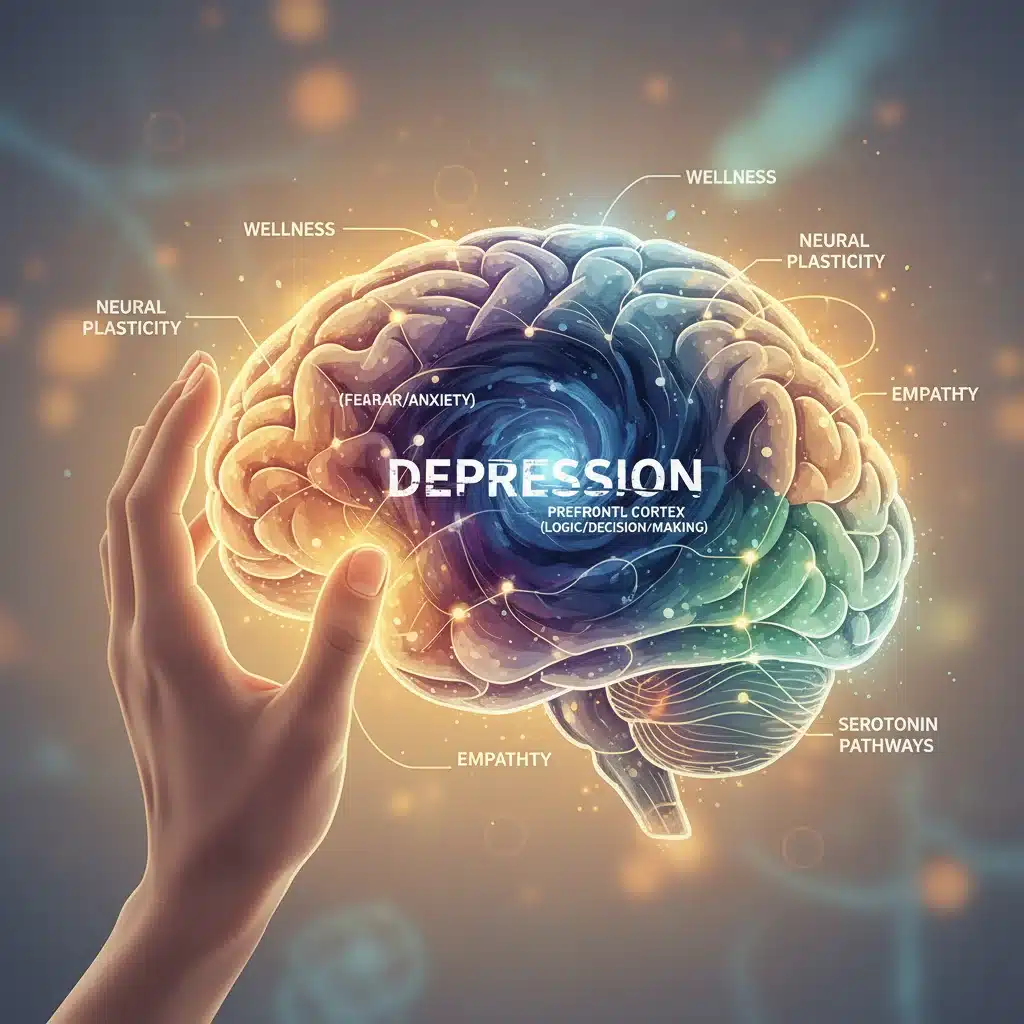
Depression is more than just feeling sad; it’s a persistent mood disorder that can significantly interfere with daily life. While the onset can be gradual, there are often subtle shifts in behavior, mood, and cognitive function that, if recognized early, can lead to effective management. The first three months following the emergence of early depression signs are a critical window for intervention. During this period, the brain’s plasticity is often more responsive to treatment, making recovery more attainable. Ignoring these initial signals can lead to a deepening of the depressive state, making it harder to treat and potentially leading to more severe consequences.
This article will explore the multifaceted nature of early depression signs, breaking them down into categories that are easy to understand and observe. We will also discuss the various risk factors that can predispose individuals to depression, the importance of self-assessment, and the crucial steps for seeking professional help. Our aim is to equip you with the knowledge and tools necessary to navigate the complexities of mental health, both for yourself and for those you care about. By understanding and acting upon early depression signs, we can collectively build a more resilient and mentally healthy community.
Understanding Early Depression Signs: The First 3 Months
Identifying early depression signs within the first three months requires a keen eye and an understanding of what to look for. These signs can manifest differently in each individual, but there are common themes. It’s important to differentiate between temporary sadness or stress and symptoms that indicate a more persistent issue. Here, we’ll break down the key indicators.
Behavioral Changes: More Than Just a Bad Mood
One of the most noticeable early depression signs involves shifts in an individual’s behavior. These changes often go beyond what’s considered normal fluctuations in mood or energy levels. You might observe a significant withdrawal from social activities that were once enjoyed. A person who was previously outgoing might become reclusive, avoiding friends, family gatherings, or even work-related social events. This isn’t just about feeling tired; it’s a profound lack of interest or pleasure in activities, a concept known as anhedonia. This can be one of the most telling early depression signs.
Another common behavioral change is a noticeable decrease in productivity or performance, whether at work, school, or in personal hobbies. Tasks that were once easy might become overwhelming, leading to procrastination or an inability to complete them. There might also be a change in sleep patterns – either insomnia (difficulty falling or staying asleep) or hypersomnia (sleeping excessively). These sleep disturbances are not just occasional bad nights; they are persistent and impact daily functioning. Furthermore, changes in appetite, leading to significant weight loss or gain, can also be a red flag among early depression signs. These behavioral shifts, when observed consistently over several weeks, warrant attention.
Emotional Indicators: Beyond Sadness
While sadness is a common component of depression, it’s far from the only emotional indicator. Early depression signs often include a pervasive sense of emptiness, hopelessness, or despair. Individuals might express feelings of worthlessness or excessive guilt, even over minor issues. Irritability, agitation, and restlessness can also be prominent, particularly in men and adolescents, sometimes masking the underlying sadness. This can manifest as short temper, frustration, or a general feeling of being on edge. These emotional states are persistent and do not lift with a change of scenery or a good night’s sleep.
A diminished ability to experience pleasure, even in situations that previously brought joy, is another critical emotional symptom. This anhedonia extends beyond social withdrawal and affects all aspects of life. There might also be an increase in anxiety, manifesting as constant worry, nervousness, or panic attacks. These emotional shifts are not fleeting; they are deeply ingrained and affect how an individual perceives themselves, others, and the world around them. Recognizing these multifaceted emotional early depression signs within the first three months is vital for early intervention.
Cognitive Symptoms: The Mind’s Fog
Depression doesn’t just affect mood and behavior; it also impacts cognitive function. Many individuals experiencing early depression signs report difficulties with concentration, memory, and decision-making. They might find it hard to focus on tasks, follow conversations, or recall recent events. This cognitive ‘fog’ can make daily activities, such as reading a book or completing work projects, incredibly challenging. Thoughts might become sluggish, or conversely, race uncontrollably without clear direction.
There might also be a tendency towards negative thought patterns, such as rumination – repeatedly dwelling on negative thoughts or past mistakes. This can lead to a distorted perception of reality, where everything seems bleak and insurmountable. In some cases, individuals may experience recurrent thoughts of death or suicide, which are serious early depression signs that require immediate professional attention. These cognitive shifts are not just momentary lapses; they are persistent and can significantly impair an individual’s ability to function effectively in their personal and professional life. Understanding these mental changes is key to identifying and addressing early depression signs.
Risk Factors and Vulnerability to Depression
While early depression signs can appear in anyone, certain factors can increase an individual’s vulnerability. Understanding these risk factors can help in proactive identification and prevention strategies. These factors can be biological, psychological, or environmental, often acting in combination to create a predisposition to depression.
Biological and Genetic Predisposition
Genetics play a significant role in an individual’s susceptibility to depression. If there’s a family history of depression or other mood disorders, the likelihood of developing the condition increases. This doesn’t mean it’s inevitable, but it does suggest a genetic predisposition that should be considered. Neurotransmitter imbalances, particularly involving serotonin, norepinephrine, and dopamine, are also thought to contribute to depression. While the exact mechanisms are still being researched, disruptions in these brain chemicals can profoundly affect mood, sleep, appetite, and cognitive function. Chronic physical illnesses, such as heart disease, cancer, or chronic pain, can also increase the risk of depression, as the physical burden often takes a toll on mental well-being. Hormonal changes, particularly in women during puberty, pregnancy, postpartum, and menopause, can also be significant risk factors for developing early depression signs.
Psychological and Environmental Stressors
Life events and psychological factors are powerful contributors to the onset of depression. Significant life changes, such as the loss of a loved one, job loss, divorce, or financial difficulties, can trigger depressive episodes. Chronic stress, whether from work, relationships, or personal circumstances, can also wear down an individual’s mental resilience. Trauma, particularly childhood trauma, is a strong predictor of adult depression. Individuals who have experienced abuse, neglect, or other adverse childhood experiences are at a higher risk. Personality traits, such as low self-esteem, pessimism, or a tendency towards self-criticism, can also increase vulnerability. Social isolation and a lack of supportive relationships are also significant environmental stressors that can exacerbate early depression signs. Understanding these intertwined factors is crucial for both prevention and intervention.
Self-Assessment and Monitoring for Early Signs
Regular self-assessment and monitoring are invaluable tools for recognizing early depression signs. Being attuned to your own mental state can empower you to seek help proactively. This isn’t about self-diagnosing, but rather about noticing patterns and changes that might indicate a need for professional evaluation.
Keeping a Mood Journal
A mood journal can be a simple yet effective way to track emotional and behavioral patterns over time. By regularly jotting down your feelings, sleep patterns, energy levels, and any significant events, you can identify recurring themes or sudden shifts that might point towards early depression signs. Note down not just your mood, but also the intensity of your feelings, what triggered them, and how long they lasted. For example, if you notice a consistent pattern of low mood, persistent fatigue, or a loss of interest in activities you once enjoyed for several weeks, it could be an indicator. This objective record can also be incredibly useful when discussing your symptoms with a healthcare professional, providing them with concrete data over the crucial three-month period. It helps to move beyond vague feelings and identify specific early depression signs.
Utilizing Mental Health Checklists and Apps
Several reputable mental health organizations offer online self-assessment checklists and screening tools (e.g., PHQ-9 for depression) that can help gauge the severity of potential symptoms. While these tools are not diagnostic, they can provide a valuable preliminary assessment and highlight areas of concern. Many mental wellness apps also offer mood tracking features, mindfulness exercises, and resources for coping with stress, which can indirectly help monitor your mental state. If these checklists or apps consistently flag concerns over a period of weeks or months, it’s a strong indication that you should seek professional advice. These tools can be particularly helpful in identifying subtle early depression signs that might otherwise be overlooked.
When & How to Seek Professional Help for Early Depression Signs
Recognizing early depression signs is the first step; the next and most crucial step is to seek professional help. The stigma surrounding mental health often prevents individuals from reaching out, but it’s important to remember that depression is a treatable medical condition, just like any physical illness. Early intervention significantly improves outcomes.
Consulting a General Practitioner (GP)
Your first point of contact should ideally be your General Practitioner (GP). They can conduct an initial assessment, rule out any underlying physical conditions that might be mimicking depressive symptoms (e.g., thyroid issues, vitamin deficiencies), and discuss your early depression signs. Your GP can also provide referrals to mental health specialists, such as psychiatrists or therapists, who are better equipped to diagnose and treat depression. They can also discuss initial treatment options, including medication if deemed appropriate, and provide guidance on lifestyle changes. Don’t hesitate to be open and honest about what you’re experiencing; your GP is there to help and can be a crucial gateway to specialized care for early depression signs.
Exploring Therapy and Counseling Options
Therapy, particularly cognitive-behavioral therapy (CBT) and interpersonal therapy (IPT), has proven highly effective in treating depression. A therapist can help you identify negative thought patterns, develop coping mechanisms, and address underlying issues contributing to your early depression signs. Online therapy platforms have also made mental health support more accessible, offering convenience and flexibility. When choosing a therapist, look for someone who is licensed, experienced, and with whom you feel comfortable. The relationship with your therapist is key to successful treatment. Don’t be afraid to try a few different therapists until you find the right fit. Early engagement with therapy can prevent early depression signs from escalating into more severe depression.
Considering Medication, if Necessary
For some individuals, medication, particularly antidepressants, may be a necessary component of treatment, especially when early depression signs are severe or when therapy alone isn’t sufficient. A psychiatrist or your GP can discuss the different types of antidepressants, their potential side effects, and how they work. It’s important to remember that medication often takes several weeks to become fully effective, and finding the right medication and dosage can sometimes require adjustment. Medication is often most effective when used in conjunction with therapy, providing a holistic approach to managing depression. It’s a tool to help rebalance brain chemistry, making it easier to engage in therapy and develop healthier coping strategies. Discussing medication options openly with your healthcare provider is essential for managing early depression signs effectively.
Proactive Intervention Strategies for Managing Early Depression Signs
Beyond professional help, there are numerous proactive strategies individuals can adopt to manage and mitigate early depression signs. These strategies focus on lifestyle adjustments, self-care, and building a supportive environment.
Lifestyle Adjustments and Self-Care
Making conscious lifestyle changes can significantly impact your mental well-being. Regular physical activity, even moderate exercise like walking, can release endorphins, which have mood-boosting effects. Aim for at least 30 minutes of moderate exercise most days of the week. A balanced diet rich in fruits, vegetables, whole grains, and lean proteins can also support brain health. Limiting processed foods, sugar, and excessive caffeine and alcohol intake can help stabilize mood and energy levels. Prioritizing consistent sleep hygiene – going to bed and waking up at the same time each day, creating a relaxing bedtime routine, and ensuring your bedroom is dark and quiet – is crucial, as sleep disturbances are often prominent early depression signs. Additionally, incorporating stress-reduction techniques such as mindfulness meditation, yoga, or deep breathing exercises into your daily routine can help manage anxiety and promote a sense of calm. These self-care practices are not luxuries; they are fundamental to mental health maintenance and can be powerful tools in addressing early depression signs.
Building a Strong Support System
Social connection is a powerful antidote to depression. Nurturing strong relationships with friends, family, or support groups can provide a sense of belonging and reduce feelings of isolation. Don’t hesitate to reach out to trusted individuals and share what you’re experiencing. Sometimes, simply talking about your feelings can provide immense relief. If you feel uncomfortable discussing your mental health with personal contacts, consider joining a support group where you can connect with others who are going through similar experiences. These groups offer a safe space for sharing, understanding, and mutual encouragement. Online communities can also provide a sense of connection, but it’s important to choose reputable and moderated platforms. A robust support system acts as a buffer against stressors and can provide encouragement to address early depression signs proactively.

Mindfulness and Stress Reduction Techniques
Mindfulness, the practice of being present and aware of the current moment without judgment, can be particularly effective in managing early depression signs. Techniques such as mindful breathing, body scans, and guided meditations can help train your mind to observe thoughts and feelings without getting overwhelmed by them. This can reduce rumination and negative thought spirals often associated with depression. Stress reduction techniques, like progressive muscle relaxation or spending time in nature, can also significantly alleviate symptoms. Regularly engaging in activities that bring you joy and a sense of accomplishment, even small ones, can help counteract feelings of hopelessness. These practices, when integrated into daily life, can build mental resilience and provide valuable tools for coping with the challenges that contribute to early depression signs.
Supporting Others: What to Do When You Notice Early Depression Signs
If you notice early depression signs in a friend, family member, or colleague, your support can make a significant difference. Approaching the situation with empathy and understanding is key.
Opening a Dialogue with Empathy
Initiate a conversation in a private, comfortable setting. Express your concern gently and without judgment. Instead of saying, ‘You seem depressed,’ try, ‘I’ve noticed you haven’t seemed yourself lately, and I’m worried about you. Is everything okay?’ Be specific about the changes you’ve observed, such as withdrawal from activities, changes in sleep, or expressions of sadness. Listen actively and allow them to speak without interruption. Validate their feelings, even if you don’t fully understand them. Avoid minimizing their experience or offering unsolicited advice like ‘just cheer up.’ Your role is to offer a safe space for them to share and to let them know they are not alone. This empathetic approach can be crucial in encouraging someone to acknowledge and address their early depression signs.
Encouraging Professional Help
Once you’ve opened a dialogue, gently encourage them to seek professional help. You might offer to help them research therapists or even accompany them to their first appointment. Emphasize that seeking help is a sign of strength, not weakness, and that depression is a treatable condition. Share resources, such as mental health helplines, reputable websites, or information about local support services. If they are resistant, continue to offer support and remind them that you are there for them. If there’s any indication of self-harm or suicidal thoughts, it’s critical to seek immediate professional intervention or contact emergency services. Your encouragement can be the catalyst for them to take the vital step towards recovery from early depression signs.
Conclusion: A Path Towards Mental Well-being
Recognizing and addressing early depression signs within the crucial three-month window is paramount for effective treatment and long-term mental well-being. Depression is a complex condition, but it is not insurmountable. By understanding the behavioral, emotional, and cognitive indicators, and by being aware of risk factors, we can empower ourselves and those around us to seek timely help.
The journey to mental health is often a marathon, not a sprint, requiring patience, self-compassion, and consistent effort. However, with early detection and intervention, coupled with proactive self-care strategies and a strong support system, individuals can navigate the challenges of depression and emerge stronger. Remember, you are not alone, and help is available. Prioritizing mental health is an investment in a happier, healthier future. Let’s continue to foster open conversations about mental health, break down stigma, and ensure that early depression signs are met with understanding, support, and effective action.