Mental Health Integration: Boosting Public Health Access by 20% in 2026

The landscape of public health is continually evolving, with an increasing recognition of the profound interconnectedness between physical and mental well-being. For too long, mental health services have been siloed, often treated as an afterthought rather than an integral component of comprehensive healthcare. However, a transformative shift is underway. The ambitious goal for 2026 is to achieve a remarkable 20% improvement in access to mental health services through robust mental health integration into public health frameworks. This article will explore the critical strategies, innovations, and policy changes driving this vital initiative, highlighting how mental health integration is not just a concept but a tangible pathway to healthier communities.
Understanding the current state of mental health care reveals significant disparities and access barriers. Stigma, lack of resources, geographical limitations, and insufficient trained professionals have historically hindered individuals from receiving timely and effective support. The COVID-19 pandemic further exacerbated these challenges, bringing mental health to the forefront of public discourse and underscoring the urgent need for systemic change. The 20% improvement target by 2026 is not merely an arbitrary number; it represents a commitment to tangible progress, aiming to reach millions more individuals who desperately need support.
Achieving this level of improvement requires a multi-faceted approach, emphasizing collaboration across various sectors, leveraging technological advancements, and fostering a culture of empathy and understanding. The core principle guiding these efforts is comprehensive mental health integration, ensuring that mental health care is seamlessly woven into primary care, community services, and broader public health initiatives. This isn’t just about adding more therapists; it’s about fundamentally rethinking how, where, and when mental health support is offered.
The Imperative for Mental Health Integration in Public Health
The imperative for mental health integration stems from overwhelming evidence demonstrating its benefits. Untreated mental health conditions can lead to a cascade of negative outcomes, including poorer physical health, reduced quality of life, increased healthcare costs, and decreased productivity. Conversely, effective mental health care leads to improved overall health, better chronic disease management, and enhanced societal well-being. When mental health is integrated, it means that individuals can access mental health screenings, interventions, and referrals within familiar settings, reducing stigma and increasing the likelihood of early intervention.
Consider the economic argument: the global cost of mental illness is projected to reach $16 trillion by 2030. Investing in mental health integration is not just a humanitarian effort; it’s a sound economic strategy. Early intervention and preventative measures reduce the burden on emergency services, decrease hospital readmissions, and enable individuals to remain active and contributing members of society. By embedding mental health services directly into public health programs, we can create a more efficient, equitable, and effective healthcare system.
One of the foundational pillars of successful mental health integration is a shift in mindset—from treating mental health as a separate specialty to recognizing it as an essential component of holistic health. This requires educating healthcare providers across all disciplines about basic mental health principles, screening tools, and referral pathways. It also necessitates public awareness campaigns to destigmatize mental illness and encourage help-seeking behavior. The goal is to make conversations about mental health as commonplace and comfortable as discussions about physical health.
Key Strategies for Achieving 20% Improvement by 2026
To realize the ambitious goal of a 20% improvement in mental health access by 2026, several key strategies must be implemented and scaled effectively. These strategies span policy, technology, workforce development, and community engagement.
1. Enhanced Primary Care Integration
Integrating mental health services directly into primary care settings is perhaps the most impactful strategy. Patients are more likely to seek help for mental health concerns if they can do so with their trusted primary care physician. This involves training primary care providers (PCPs) to conduct routine mental health screenings, offer brief interventions, and facilitate seamless referrals to specialized mental health professionals. Collaborative care models, where mental health specialists work side-by-side with PCPs, have shown significant success in improving patient outcomes and access.
For example, the stepped care model, often implemented in integrated settings, allows for different levels of intervention based on the severity of need. A patient with mild anxiety might receive psychoeducation and self-help resources from their PCP, while someone with severe depression would be referred to a mental health specialist for more intensive therapy. This tiered approach optimizes resource allocation and ensures patients receive the appropriate level of care. Furthermore, integrating behavioral health into pediatric primary care is crucial for early detection and intervention in children and adolescents, preventing long-term mental health challenges.
2. Leveraging Telehealth and Digital Mental Health Solutions
The pandemic accelerated the adoption of telehealth, demonstrating its immense potential to overcome geographical barriers and increase access to mental health services. For mental health integration, telehealth is a game-changer. Virtual consultations, online therapy platforms, and mental health apps can connect individuals with providers regardless of their location, making care more convenient and accessible. This is particularly beneficial for rural populations or those with mobility issues.
Beyond live video sessions, digital mental health solutions include AI-powered chatbots for initial screenings, self-guided cognitive behavioral therapy (CBT) programs, and virtual reality (VR) interventions for conditions like PTSD or phobias. These tools can augment traditional care, provide support between appointments, and offer preventative resources. The challenge lies in ensuring equitable access to technology and digital literacy, as well as maintaining privacy and data security. Governments and healthcare organizations must invest in digital infrastructure and provide training to both providers and patients to fully harness the power of these innovations.
3. Strengthening the Mental Health Workforce
A significant barrier to mental health access is the shortage of qualified professionals. Addressing this requires a multi-pronged approach to workforce development. This includes increasing funding for mental health training programs, offering incentives for professionals to work in underserved areas, and expanding the scope of practice for allied health professionals, such as social workers, counselors, and peer support specialists.
Furthermore, task-shifting and task-sharing models can optimize the existing workforce. For instance, training community health workers to provide basic mental health support and referrals can extend the reach of services into communities. Peer support specialists, individuals with lived experience of mental illness who have undergone training, play a crucial role in offering empathy, guidance, and hope to others navigating similar challenges. Their integration into care teams can significantly improve engagement and recovery outcomes.
4. Policy and Funding Reforms
Sustainable mental health integration requires robust policy frameworks and adequate funding. This includes advocating for mental health parity laws that mandate equal insurance coverage for mental and physical health conditions. Governments must also allocate increased budgets to public mental health services, invest in preventative programs, and support research into innovative treatment models.
Value-based care models, which reward healthcare providers for positive patient outcomes rather than the volume of services, can incentivize integrated approaches. Policies that promote data sharing and interoperability between physical and mental health electronic health records are also essential for coordinated care. Without strong policy backing and consistent funding, even the most innovative strategies will struggle to achieve widespread impact.
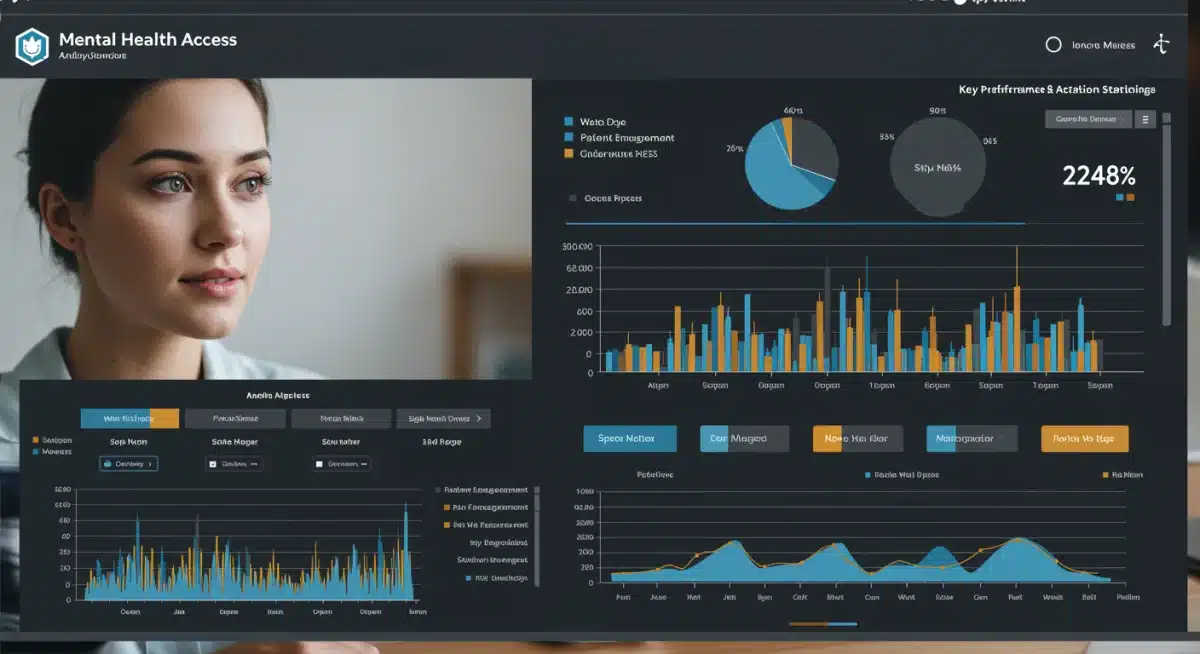
The Role of Data and Measurement in Mental Health Integration
Achieving a 20% improvement in mental health access means we need to measure progress accurately. Robust data collection and analysis are fundamental to understanding where improvements are needed, which strategies are working, and how to optimize resource allocation. This involves establishing clear metrics for access, quality, and outcomes.
Key performance indicators (KPIs) for mental health integration might include:
- Screening Rates: The percentage of patients in primary care settings who receive routine mental health screenings.
- Referral Completion Rates: The percentage of patients referred to mental health specialists who successfully attend their appointments.
- Wait Times: The average time from initial contact to receiving appropriate mental health intervention.
- Patient Satisfaction: Surveys measuring patient experiences with integrated care services.
- Symptom Reduction: Standardized outcome measures assessing the effectiveness of interventions in reducing symptoms of mental illness.
- Reduced Hospitalizations/Emergency Visits: Tracking the impact of integrated care on acute service utilization.
Real-time data dashboards can provide healthcare systems and policymakers with actionable insights, allowing for quick adjustments to programs and strategies. Furthermore, leveraging big data analytics can identify population-level trends, predict areas of high need, and inform targeted interventions. The ethical collection and use of this data, ensuring patient privacy and confidentiality, are paramount.
Community-Based Approaches and Social Determinants of Mental Health
Mental health integration extends beyond clinical settings into the heart of communities. Recognizing the profound impact of social determinants of health—factors like socioeconomic status, education, housing, and access to healthy food—is crucial. Mental health challenges often stem from or are exacerbated by these broader societal issues. Therefore, effective mental health integration must adopt a community-based approach.
This involves:
- School-Based Mental Health Services: Integrating mental health professionals and programs into schools to support children and adolescents, offering early intervention and reducing barriers to care.
- Workplace Mental Health Programs: Employers play a vital role in promoting mental well-being. Integrated strategies include employee assistance programs (EAPs), mental health first aid training for managers, and creating supportive work environments.
- Community Outreach and Education: Public health campaigns that destigmatize mental illness, educate the public about available resources, and promote mental health literacy.
- Partnerships with Community Organizations: Collaborating with local non-profits, faith-based organizations, and social services to create a network of support that addresses both mental health and social needs.
- Housing and Employment Support: Recognizing that stable housing and meaningful employment are critical for mental well-being, integrated care models should connect individuals with these essential resources.
By addressing these social determinants, communities can build resilience and promote mental well-being at a population level, complementing clinical interventions. For instance, a program that provides both therapy and job training to an unemployed individual experiencing depression tackles multiple facets of their well-being simultaneously, leading to more sustainable recovery.
Challenges and Future Outlook for Mental Health Integration
While the vision for enhanced mental health integration is clear, significant challenges remain. Overcoming stigma is an ongoing battle, requiring sustained public education and cultural shifts. Funding disparities between physical and mental health persist in many regions, hindering comprehensive service development. Workforce shortages, particularly in rural and underserved areas, continue to pose a substantial hurdle. Furthermore, ensuring technological equity, so that digital solutions benefit everyone, not just those with access to high-speed internet and devices, is critical.
Despite these challenges, the outlook for mental health integration is increasingly optimistic. The growing recognition of mental health as a public health priority, coupled with innovative technological advancements and a more collaborative healthcare ecosystem, provides a strong foundation for progress. The commitment to achieving a 20% improvement in access by 2026 is a powerful catalyst for change, driving stakeholders to innovate, collaborate, and invest in solutions that truly make a difference.
Looking ahead, future strategies for mental health integration will likely focus on:
- Personalized Care: Utilizing data and artificial intelligence to tailor mental health interventions to individual needs, improving effectiveness.
- Preventative Mental Health: Greater emphasis on early childhood interventions, resilience building programs, and mental health promotion across the lifespan.
- Global Collaboration: Sharing best practices and research findings across international borders to accelerate progress in mental health care worldwide.
- Integrated Research: Funding research that examines the interplay between physical and mental health, leading to more holistic treatment approaches.

The Path Forward: A Collaborative Effort
Achieving the 2026 goal of a 20% improvement in mental health access through dedicated mental health integration is not the responsibility of a single entity. It requires a concerted, collaborative effort from governments, healthcare providers, insurance companies, technology developers, community organizations, educators, and individuals. Each plays a vital role in building a healthcare system where mental health is truly valued, accessible, and integrated into every aspect of public health.
The journey towards full mental health integration is complex, but the destination—a healthier, more resilient society—is well worth the effort. By focusing on evidence-based strategies, embracing technological innovation, investing in our workforce, and fostering inclusive community partnerships, we can transform the landscape of mental health care. The year 2026 stands as a beacon, guiding our collective efforts towards a future where mental well-being is not a privilege, but a fundamental right accessible to all.
The shift towards comprehensive mental health integration is not merely an improvement; it is a revolution in how we perceive and deliver healthcare. It acknowledges the human experience in its entirety, recognizing that a healthy mind is inseparable from a healthy body. As we move closer to 2026, the strategies outlined here will serve as a roadmap, guiding us towards a future where mental health support is not just available, but seamlessly integrated, proactive, and truly transformative for individuals and communities worldwide.
The commitment to a 20% improvement in access is ambitious, yet achievable. It demands dedication, innovation, and a collective will to dismantle the barriers that have historically separated mental and physical health. By working together, we can build a public health system that truly cares for the whole person, fostering resilience, promoting recovery, and ensuring that everyone has the opportunity to thrive.