US Public Health Readiness 2026: A Comprehensive Evaluation

US Public Health Readiness 2026: A Comprehensive Evaluation
The dawn of 2026 brings with it a critical juncture for evaluating the United States’ capacity to confront future health crises. The lessons learned from recent global health emergencies have underscored the profound importance of robust public health readiness. This comprehensive evaluation delves into the multifaceted landscape of US public health preparedness, examining the strengths, vulnerabilities, and strategic imperatives necessary to safeguard the nation’s health in the years to come. Our focus is squarely on understanding the current state of affairs and projecting the pathways to enhanced resilience against a spectrum of potential threats, from novel pathogens to environmental disasters.
The concept of public health readiness is not a static one; it is a dynamic, evolving framework that requires constant scrutiny and adaptation. As we move further into a century marked by rapid global interconnectedness and environmental shifts, the challenges to public health are becoming increasingly complex and unpredictable. This article aims to provide a detailed assessment, dissecting key components such as infrastructure, policy, workforce development, and community engagement, all critical pillars in building a resilient public health system. We will explore how effectively these components are integrated and what steps are being taken to address existing gaps.
Understanding the nuances of public health readiness is paramount for policymakers, healthcare professionals, and the general public alike. It involves not just the ability to respond to an immediate crisis but also the proactive measures taken to prevent, detect, and mitigate health threats before they escalate. This forward-looking perspective is essential for shifting from a reactive model to a more anticipatory and preventive one, ensuring that the United States is not merely surviving future health crises but thriving in their wake.
The Evolving Landscape of Public Health Threats
In 2026, the United States faces an array of evolving public health threats that demand a sophisticated and adaptable public health readiness strategy. Beyond the specter of infectious diseases, which remain a primary concern, the nation must also contend with the escalating impacts of climate change, including extreme weather events, shifts in vector-borne disease patterns, and food and water security issues. Furthermore, the rise of antimicrobial resistance, the potential for bioterrorism, and the ongoing challenges of chronic diseases and mental health crises all contribute to a complex threat environment.
The interconnectedness of these threats means that a siloed approach to public health readiness is no longer sufficient. A holistic perspective is required, one that recognizes the interplay between environmental, social, and biological factors. For instance, a natural disaster can displace populations, disrupt healthcare access, and create conditions ripe for infectious disease outbreaks, simultaneously exacerbating existing mental health challenges. This necessitates a preparedness framework that is integrated, multi-sectoral, and capable of addressing cascading effects.
Moreover, the rapid pace of technological advancement presents both opportunities and challenges. While artificial intelligence, big data analytics, and advanced diagnostics offer powerful tools for surveillance and response, they also introduce new vulnerabilities, such as cybersecurity threats to critical health infrastructure. Ensuring that the benefits of these technologies are harnessed effectively, while mitigating their risks, is a crucial aspect of modern public health readiness.
Pillar 1: Infrastructure and Capacity for Public Health Readiness
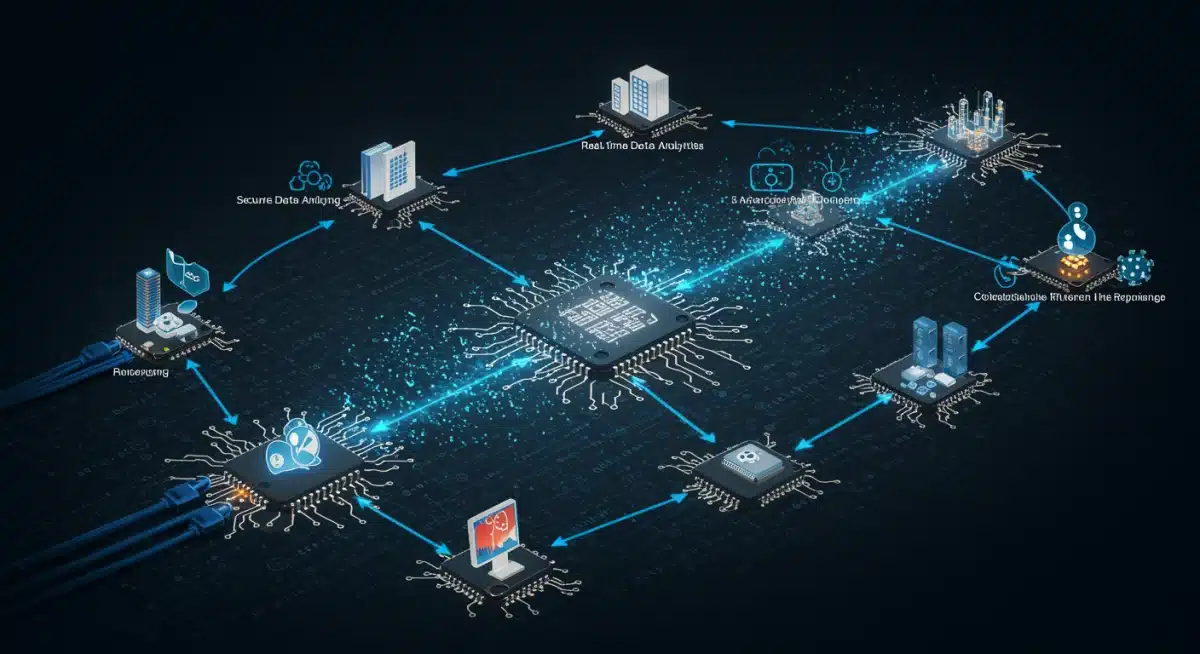
A strong foundation of infrastructure and robust capacity is the bedrock of effective public health readiness. This encompasses not only physical facilities like hospitals and laboratories but also the digital networks, supply chains, and communication systems that enable a rapid and coordinated response to health emergencies. In 2026, the US continues to grapple with the need for significant investments and modernization in these areas.
Healthcare System Resilience
The resilience of the healthcare system is paramount. This includes ensuring adequate bed capacity, access to specialized care, and the ability to surge resources during peak demand. Lessons from past crises have highlighted the importance of flexible staffing models, robust personal protective equipment (PPE) stockpiles, and diversified supply chains to prevent critical shortages. Furthermore, the integration of telehealth services and remote monitoring capabilities has proven invaluable in maintaining care continuity and reducing transmission risks, making them essential components of future public health readiness.
Public Health Laboratories and Surveillance
Public health laboratories are the frontline defenders against disease outbreaks. Their capacity for rapid testing, genomic sequencing, and pathogen identification is critical for early detection and containment. Enhancing laboratory infrastructure, ensuring access to cutting-edge technologies, and fostering a skilled workforce are ongoing priorities. Complementing this is a sophisticated surveillance system that can collect, analyze, and disseminate health data in real-time, allowing for swift epidemiological investigations and targeted interventions. The ability to track emerging threats and understand their spread is a cornerstone of proactive public health readiness.
Emergency Operations and Communication Systems
Effective emergency operations centers (EOCs) and reliable communication systems are vital for coordinating multi-agency responses. These systems must facilitate seamless information exchange between federal, state, and local entities, as well as with private sector partners and international organizations. Investing in redundant communication channels, secure data networks, and standardized protocols for information sharing are essential for preventing miscommunication and ensuring a unified response during a crisis. This level of coordination is central to the efficacy of public health readiness efforts.
Pillar 2: Policy and Governance in Public Health Readiness
Sound policy and effective governance frameworks are indispensable for guiding and sustaining public health readiness. These encompass legislative mandates, regulatory guidelines, and inter-agency agreements that define roles, responsibilities, and resource allocation during health emergencies. In 2026, the US continues to refine its policy landscape to address the complexities of modern health threats.
Inter-Agency Coordination and Legal Frameworks
The ability of various government agencies – from health and human services to defense and homeland security – to work cohesively is a hallmark of strong public health readiness. This requires clear legal frameworks that delineate authorities, facilitate resource sharing, and streamline decision-making processes during a crisis. Post-pandemic analyses have highlighted areas where existing legal structures could be improved to enhance flexibility and reduce bureaucratic hurdles, ensuring a more agile response when time is of the essence.
Funding and Resource Allocation
Sustainable and predictable funding is a perennial challenge for public health readiness. Public health initiatives often operate on thin margins, and emergency funding can be reactive rather than proactive. A robust preparedness strategy necessitates consistent investment in public health infrastructure, workforce development, and research and development for vaccines and therapeutics. This includes dedicated funding streams that are insulated from political fluctuations and tied to measurable readiness metrics.
International Collaboration
Given the global nature of many health threats, international collaboration is not merely beneficial but essential for US public health readiness. This involves active participation in global health organizations, sharing epidemiological data, collaborating on research, and coordinating border health measures. Building strong diplomatic ties and fostering mutual aid agreements with other nations can significantly enhance the ability to detect and respond to cross-border health emergencies, protecting both domestic and global populations.
Pillar 3: Workforce Development and Training
The human element is arguably the most critical component of public health readiness. A well-trained, adequately staffed, and resilient public health workforce is indispensable for every stage of emergency response, from surveillance and communication to direct patient care and community engagement. In 2026, addressing workforce shortages and skill gaps remains a top priority.
Recruitment and Retention
The public health sector has historically faced challenges in recruiting and retaining skilled professionals. Competitive salaries, attractive benefits, and clear career pathways are essential to draw talent into fields like epidemiology, public health nursing, laboratory science, and emergency management. Furthermore, fostering a supportive work environment that addresses burnout and promotes mental well-being is crucial for retaining experienced personnel, ensuring that the nation’s public health readiness is not compromised by attrition.
Training and Education
Ongoing training and continuous education are vital to ensure that the public health workforce possesses the most up-to-date knowledge and skills. This includes training in emerging infectious diseases, crisis communication, risk assessment, and the use of new technologies. Simulation exercises and drills are also critical for practicing response protocols and identifying areas for improvement, preparing personnel for the realities of a public health emergency. Investing in academic public health programs and partnerships with training institutions strengthens the pipeline for future public health readiness leaders.
Community Health Workers and Volunteers
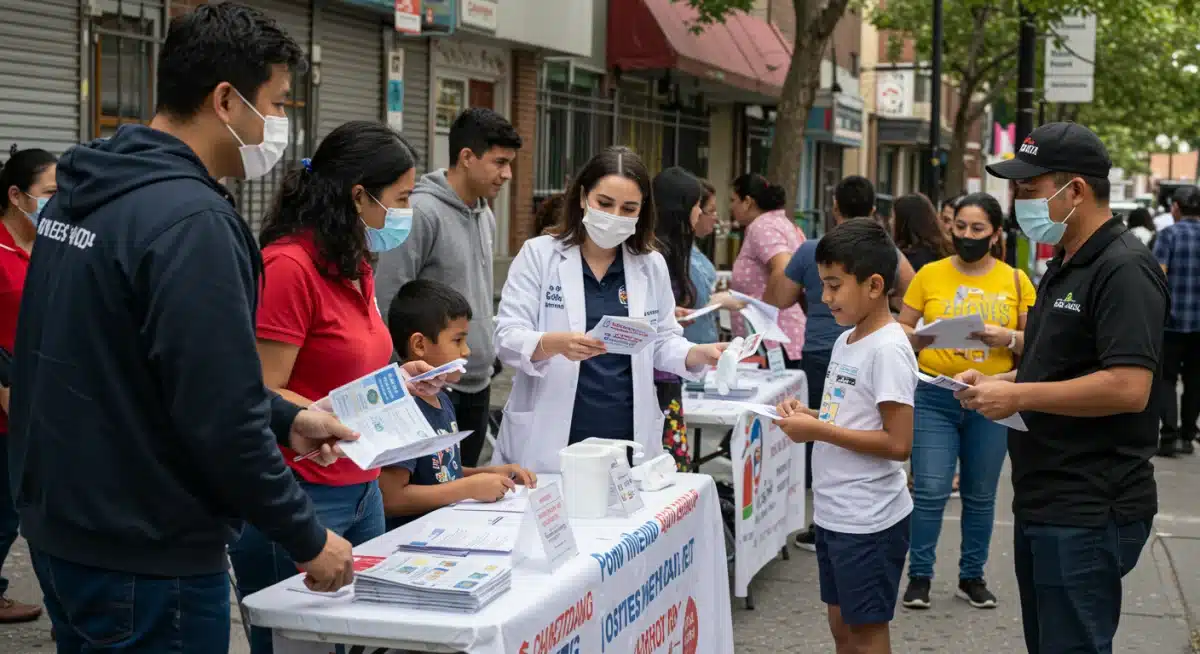
Beyond the formal public health workforce, community health workers (CHWs) and volunteers play a crucial role in extending the reach of public health initiatives into diverse communities. They serve as trusted messengers, bridging gaps between health systems and underserved populations, and assisting with everything from vaccine distribution to health education. Investing in the training and integration of CHWs and volunteers into emergency response plans significantly enhances community-level public health readiness and resilience.
Pillar 4: Community Engagement and Equity in Public Health Readiness
Effective public health readiness is deeply intertwined with community engagement and a commitment to health equity. A preparedness strategy that does not actively involve and address the unique needs of all communities risks leaving vulnerable populations behind, exacerbating health disparities during a crisis. In 2026, there is a heightened recognition of the need for inclusive and equitable approaches to public health.
Building Trust and Communication
Public trust is a cornerstone of effective public health response. Clear, consistent, and transparent communication from public health authorities is essential for fostering confidence and encouraging adherence to public health recommendations. This involves tailoring messages to different cultural and linguistic groups, leveraging trusted community leaders, and actively combatting misinformation. Establishing and maintaining open lines of communication before a crisis hits is critical for building the social capital necessary for effective public health readiness.
Addressing Health Disparities
Health disparities, driven by social, economic, and environmental factors, can significantly amplify the impact of health crises on certain populations. A truly ready public health system must proactively identify and address these disparities, ensuring that preparedness plans are equitable and accessible to all. This includes ensuring equitable access to testing, treatment, and vaccination, as well as providing culturally competent care and resources. Focusing on health equity is not just a moral imperative but a strategic one for strengthening overall public health readiness.
Community-Led Preparedness
Empowering communities to lead their own preparedness efforts can significantly enhance resilience. This involves providing resources, training, and support for local initiatives, such as neighborhood emergency response teams, mutual aid networks, and community-based health education programs. When communities are actively involved in designing and implementing preparedness strategies, they are better equipped to respond to and recover from health emergencies, making their contribution invaluable to national public health readiness.
Current Gaps and Challenges in US Public Health Readiness 2026
Despite significant strides, several critical gaps and challenges continue to impede optimal US public health readiness in 2026. Addressing these issues requires sustained political will, innovative solutions, and collaborative action across all levels of government and society.
Underfunding of Public Health Agencies
One of the most persistent challenges is the chronic underfunding of state and local public health departments. This leads to staffing shortages, outdated infrastructure, and limited capacity for essential services. Adequate and consistent funding is crucial for maintaining a baseline level of preparedness and for enabling these agencies to pivot quickly during an emergency. Without this foundational support, other efforts to enhance public health readiness will be undermined.
Data Modernization and Interoperability
While some progress has been made, the US public health data infrastructure still suffers from fragmentation and a lack of interoperability. Different systems often cannot communicate effectively, hindering real-time data exchange and comprehensive situational awareness. Investing in modern, integrated data platforms and promoting data standards are essential for improving surveillance, streamlining reporting, and informing rapid decision-making, all critical for sophisticated public health readiness.
Workforce Burnout and Morale
The intense pressures of recent health crises have led to significant burnout and declining morale among public health professionals. This not only affects the current workforce but also makes it harder to attract new talent. Addressing these issues through improved working conditions, mental health support, and recognition of their vital contributions is essential for sustaining the public health workforce and, by extension, national public health readiness.
Political Polarization and Misinformation
The landscape of public health has become increasingly politicized, with misinformation and disinformation eroding public trust and hindering effective response efforts. Developing robust strategies to counter false narratives, promote science-based information, and foster a shared understanding of public health principles is a complex but vital challenge for future public health readiness.
Recommendations for Enhancing Public Health Readiness by 2026 and Beyond
To truly fortify US public health readiness, a multi-pronged approach encompassing strategic investments, policy reforms, and societal engagement is necessary. The following recommendations outline key areas for action:
- Sustained and Predictable Funding: Advocate for and secure long-term, stable funding streams for public health agencies at all levels. This includes dedicated budgets for preparedness, infrastructure modernization, and workforce development, moving away from crisis-driven funding models.
- Data System Integration and Modernization: Prioritize the development of a national, interoperable public health data system that allows for real-time data sharing and analytics. This requires investment in technology, standardization of data protocols, and training for personnel.
- Strengthening the Public Health Workforce: Implement comprehensive strategies for recruitment, retention, and professional development of the public health workforce. This includes competitive compensation, mental health support, and continuous training in emerging threats and technologies.
- Enhancing Supply Chain Resilience: Diversify and strengthen domestic and international supply chains for critical medical supplies, pharmaceuticals, and personal protective equipment. Establish strategic reserves and promote domestic manufacturing capabilities to reduce reliance on single sources.
- Community-Centric Preparedness: Foster genuine partnerships with communities, particularly those that are historically underserved. Develop culturally sensitive communication strategies, empower community health workers, and integrate local knowledge into preparedness planning.
- Robust Research and Development: Invest consistently in scientific research and development for new vaccines, therapeutics, diagnostics, and public health interventions. Expedite regulatory pathways for promising innovations while maintaining safety and efficacy standards.
- Global Health Diplomacy and Collaboration: Reaffirm and strengthen US leadership in global health initiatives. Enhance international surveillance networks, share best practices, and collaborate on research and development to address health threats that transcend borders.
- Addressing Climate Change Impacts: Integrate climate change adaptation and mitigation strategies into public health planning. This includes developing early warning systems for climate-related health risks, protecting vulnerable populations, and building resilient health infrastructure.
- Combating Misinformation: Develop proactive strategies to counter health misinformation and disinformation. This involves strengthening public health communication, building media literacy, and partnering with trusted sources to disseminate accurate information.
- Regular Drills and Exercises: Conduct frequent and realistic drills and exercises at all levels of government and with private sector partners to test preparedness plans, identify weaknesses, and improve coordination and response capabilities.
By systematically addressing these recommendations, the United States can significantly bolster its public health readiness, transforming challenges into opportunities for building a more resilient, equitable, and healthier nation by 2026 and for decades to come. The goal is not merely to react to the next crisis but to proactively shape a future where health threats are anticipated, mitigated, and effectively managed, minimizing their impact on lives and livelihoods.
Conclusion: A Path Forward for US Public Health Readiness
The evaluation of US public health readiness in 2026 reveals a landscape of both progress and persistent challenges. While lessons from recent crises have spurred significant advancements in certain areas, the journey toward comprehensive and resilient preparedness is ongoing. The interconnectedness of global health, environmental factors, and societal dynamics demands a preparedness strategy that is not only robust but also adaptable, equitable, and forward-thinking.
Achieving optimal public health readiness requires a sustained commitment from all stakeholders: government agencies, healthcare providers, academic institutions, private industry, and, crucially, the public itself. It necessitates consistent investment, innovative policy development, continuous workforce development, and a deep-seated dedication to health equity and community engagement.
As we look beyond 2026, the imperative is clear: the United States must continue to strengthen its public health infrastructure, foster a skilled and supported workforce, and build trust within its communities. By embracing a holistic and proactive approach, the nation can not only withstand future health crises but emerge stronger, more resilient, and better positioned to protect the well-being of all its citizens. The future of public health readiness is not just about preparing for the worst; it is about building a healthier, more secure tomorrow.