LIHEAP 2026: Secure Up to $1,000 for Heating and Cooling Bills Now

LIHEAP 2026: Secure Up to $1,000 for Heating and Cooling Bills Now
As the costs of living continue to rise, managing household expenses, particularly energy bills, can be a significant challenge for many families. The Low Income Home Energy Assistance Program (LIHEAP) stands as a crucial lifeline, offering vital support to those struggling to afford their heating and cooling costs. With LIHEAP 2026 funding on the horizon, now is the opportune moment to understand how this program can provide up to $1,000 in assistance, helping to alleviate financial burdens and ensure a comfortable home environment year-round.
This comprehensive guide delves into the intricacies of LIHEAP, specifically focusing on what you can expect for 2026. We will explore the program’s purpose, eligibility criteria, the application process, and strategies to maximize the benefits you receive. Whether you’re a long-time recipient or considering applying for the first time, understanding the nuances of LIHEAP 2026 funding is essential for securing the support you need.
Understanding the Low Income Home Energy Assistance Program (LIHEAP)
The Low Income Home Energy Assistance Program (LIHEAP) is a federally funded initiative designed to help low-income households with their home energy bills. This includes assistance for heating and cooling costs, energy crisis intervention, weatherization, and energy-related home repairs. Administered by individual states, territories, and tribal organizations, LIHEAP provides critical support, preventing utility shut-offs and ensuring that vulnerable populations can maintain safe and healthy living conditions.
The program’s flexibility allows states to tailor their assistance programs to meet the specific needs of their communities, addressing challenges such as extreme winter cold or intense summer heat. This adaptability ensures that LIHEAP 2026 funding will continue to be a vital resource for families facing diverse energy challenges across the nation.
Beyond direct bill payment assistance, LIHEAP also plays a significant role in promoting energy efficiency. By funding weatherization services, the program helps households reduce their overall energy consumption, leading to long-term savings and a smaller carbon footprint. This holistic approach underscores LIHEAP’s commitment to not just immediate relief but also sustainable energy solutions for low-income communities.
The Importance of LIHEAP in Today’s Economic Climate
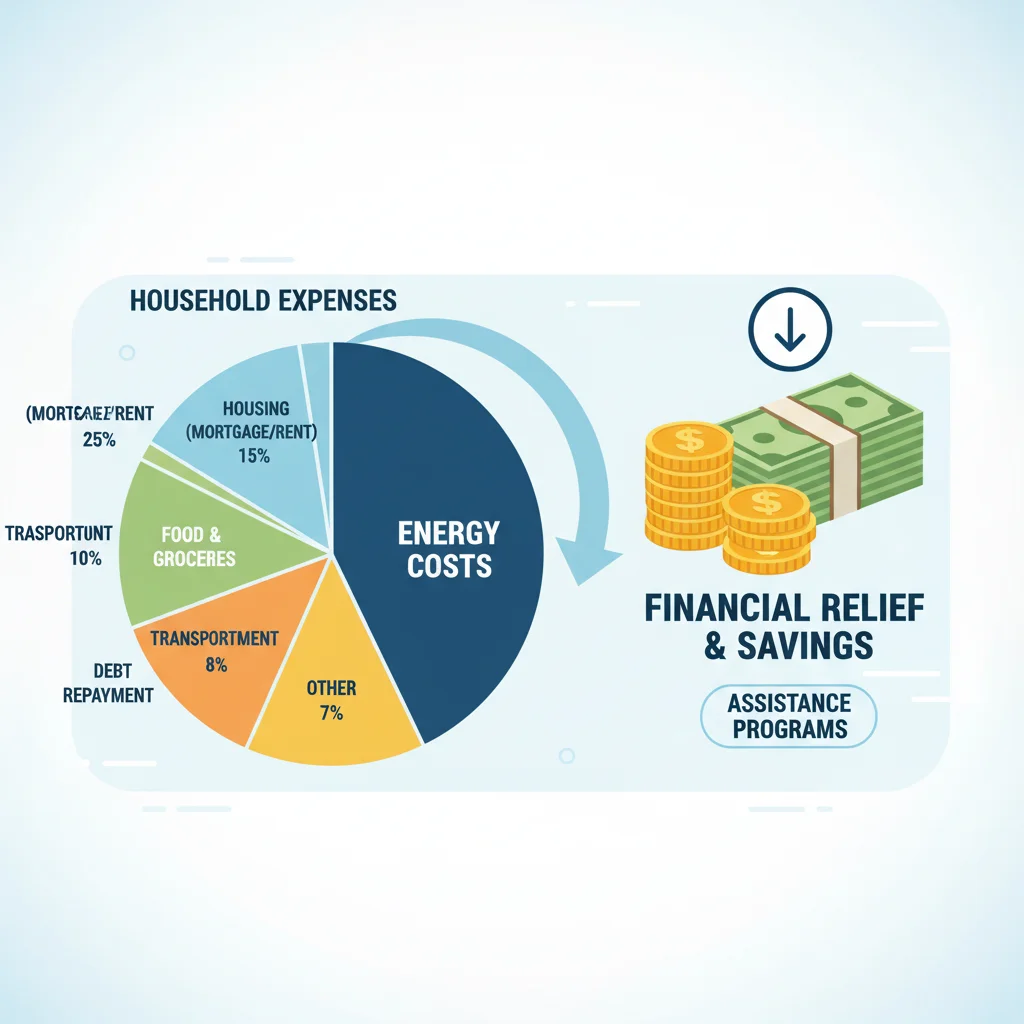
In an era marked by fluctuating energy prices and economic uncertainties, LIHEAP’s role has become more critical than ever. Energy costs represent a substantial portion of a household’s budget, and for low-income families, these expenses can often lead to difficult choices between paying for utilities, food, medicine, or rent. LIHEAP bridges this gap, offering a safety net that prevents energy poverty and its associated health and safety risks.
The program’s impact extends beyond individual households. By stabilizing utility payments, LIHEAP helps maintain the financial health of energy providers and contributes to the overall economic stability of communities. As we look towards LIHEAP 2026 funding, the program’s continued relevance in fostering economic resilience and social equity cannot be overstated.
Furthermore, the health implications of inadequate heating or cooling are severe, particularly for the elderly, young children, and individuals with chronic health conditions. LIHEAP ensures that these vulnerable populations have access to the necessary energy to maintain a safe indoor temperature, thereby reducing hospitalizations and improving public health outcomes.
Eligibility for LIHEAP 2026 Funding: What You Need to Know
Eligibility for LIHEAP 2026 funding, like previous years, primarily depends on household income and size, though specific criteria can vary slightly by state. Generally, households with incomes at or below 150% of the federal poverty level or 60% of the state median income (whichever is greater) are eligible. However, some states may set different limits, so it’s crucial to check the specific guidelines for your area.
In addition to income, other factors may be considered, such as the presence of elderly individuals, young children, or persons with disabilities in the household. These vulnerable populations often receive priority or additional assistance due to their heightened susceptibility to extreme temperatures.
It’s important to remember that even if your income slightly exceeds the threshold, you might still qualify if you face a significant energy burden or crisis. Don’t hesitate to inquire with your local LIHEAP office, as they can provide personalized guidance based on your unique circumstances.
Key Eligibility Factors for LIHEAP 2026:
- Income Level: Your gross monthly household income will be compared against state and federal poverty guidelines.
- Household Size: The number of individuals living in your home impacts the income thresholds.
- Residency: You must be a legal resident of the state in which you are applying.
- U.S. Citizenship or Qualified Alien Status: Applicants must meet specific citizenship or immigration status requirements.
- Energy Burden: Some states consider the percentage of your income spent on energy costs.
Keeping accurate records of your income, household members, and utility bills will significantly streamline the application process for LIHEAP 2026 funding. Proactive preparation can make a considerable difference in accessing these vital benefits.
The Application Process for LIHEAP 2026: Step-by-Step Guide
Applying for LIHEAP 2026 funding typically involves a straightforward process, though it requires attention to detail and timely submission of documentation. While the exact steps may vary by state or local agency, the general outline remains consistent. Understanding this process beforehand can help you navigate it efficiently and increase your chances of approval.

Step 1: Locate Your Local LIHEAP Office
The first step is to identify the agency responsible for administering LIHEAP in your area. This is often a state or county social services agency, a community action agency, or a non-profit organization. You can usually find this information by searching online for “LIHEAP [Your State]” or by calling your state’s energy assistance hotline.
Step 2: Gather Required Documentation
To process your application for LIHEAP 2026 funding, you will need to provide several documents to verify your eligibility. While the specific list can vary, common requirements include:
- Proof of Income: Pay stubs, Social Security benefit letters, unemployment statements, or tax returns for all household members.
- Proof of Residency: A utility bill, lease agreement, or driver’s license.
- Household Member Information: Names, dates of birth, and Social Security numbers for everyone living in your home.
- Utility Bills: Copies of your most recent heating and cooling bills, regardless of whether they are current or past due.
- Photo Identification: For the primary applicant.
It’s advisable to gather all these documents before starting the application to avoid delays.
Step 3: Complete the Application Form
Once you have your documents, you can obtain the application form. Many states offer online applications, while others require you to download and print the form or pick it up in person. Fill out the form completely and accurately. Incomplete applications are a common reason for delays or denials.
Step 4: Submit Your Application
Submit your completed application and all supporting documents to your local LIHEAP office. This can often be done online, by mail, or in person. Be sure to keep a copy of your submitted application and any proof of submission for your records.
Step 5: Follow Up
After submitting your application, it’s a good idea to follow up with the LIHEAP office within a few weeks to inquire about the status of your application. Processing times can vary depending on the volume of applications and the time of year. Patience is key, but proactive follow-up can help address any potential issues quickly.
Maximizing Your LIHEAP Benefits: Up to $1,000 in Support
While the exact amount of assistance varies, LIHEAP 2026 funding can often provide up to $1,000 or more to eligible households, depending on factors such as income, household size, energy costs, and the severity of your energy burden. To maximize the benefits you receive, consider the following strategies:
Apply Early
LIHEAP programs often operate on a first-come, first-served basis, and funds are limited. Applying as soon as the application period opens for LIHEAP 2026 funding can significantly increase your chances of receiving assistance before funds are exhausted. Check with your local agency for specific opening dates, typically in the fall for heating assistance and spring/summer for cooling assistance.
Understand All Available Components
LIHEAP offers various types of assistance beyond just direct bill payments. These can include crisis intervention for utility shut-offs, weatherization services to improve home energy efficiency, and minor energy-related home repairs. Inquire about all available components in your state to ensure you’re utilizing the full scope of benefits. Weatherization, in particular, can lead to long-term reductions in energy consumption and costs, effectively extending the impact of your LIHEAP 2026 funding.
Provide Accurate and Complete Information
Errors or omissions in your application can lead to delays or denial. Double-check all information and ensure that every required document is included. Providing clear and accurate details about your income, household size, and energy needs will help the agency process your application efficiently and determine the appropriate level of assistance.
Communicate Any Changes
If your household income or circumstances change after you submit your application, inform your local LIHEAP office immediately. This could potentially affect your eligibility or the amount of assistance you receive, and transparent communication helps avoid future complications.
Explore Supplemental Programs
In addition to federal LIHEAP 2026 funding, many states and utility companies offer their own energy assistance programs. Research these local and private initiatives, as they can often be combined with LIHEAP benefits to provide even greater relief. Your local LIHEAP office or community action agency can often provide information on these supplemental resources.
Beyond Bill Assistance: LIHEAP’s Broader Impact
While direct financial aid for heating and cooling bills is a primary function of LIHEAP, its impact extends far beyond immediate relief. The program plays a critical role in fostering household stability, promoting public health, and contributing to community resilience.
Preventing Energy Crises
One of LIHEAP’s most crucial functions is crisis intervention. When households face imminent utility shut-offs or have exhausted their fuel supply, LIHEAP can provide emergency assistance to prevent these critical situations. This aspect of LIHEAP 2026 funding is vital for protecting the most vulnerable populations from the severe consequences of energy deprivation, such as illness, homelessness, and even death in extreme weather conditions.
Promoting Energy Efficiency through Weatherization
Many LIHEAP programs offer weatherization services, which involve making improvements to homes to reduce energy consumption. This can include sealing air leaks, adding insulation, repairing or replacing inefficient heating and cooling systems, and upgrading windows and doors. These measures not only lower monthly energy bills for recipients but also contribute to broader environmental goals by reducing greenhouse gas emissions. The long-term savings generated by weatherization can significantly amplify the benefits of LIHEAP 2026 funding, helping families achieve sustainable energy affordability.
Supporting Health and Well-being
Access to adequate heating and cooling is fundamental to public health. Extreme temperatures can exacerbate existing health conditions, particularly among the elderly, infants, and individuals with chronic illnesses. By ensuring that homes remain at safe and comfortable temperatures, LIHEAP directly contributes to better health outcomes, reducing the incidence of cold-related illnesses in winter and heat-related stress in summer. This preventative health benefit is an often-underestimated aspect of LIHEAP 2026 funding.
Strengthening Local Economies
The funds distributed through LIHEAP not only help individual households but also have a positive ripple effect on local economies. By enabling families to pay their utility bills, the program supports energy providers, helps maintain jobs in the energy sector, and frees up household income that can be spent on other essential goods and services. This economic stimulus is an important, albeit indirect, benefit of robust LIHEAP 2026 funding.
Preparing for LIHEAP 2026: What’s Next?
While 2026 may seem a little distant, proactive preparation can ensure you are ready to apply as soon as applications open. Staying informed about potential changes to the program and gathering necessary documents in advance will give you a significant advantage.
Stay Informed About Program Updates
Funding levels and specific program guidelines for LIHEAP 2026 funding can be influenced by federal appropriations and state-level decisions. Keep an eye on announcements from the U.S. Department of Health and Human Services (HHS), which oversees LIHEAP, and your state’s energy assistance agency. Subscribing to newsletters from local community action agencies or regularly checking their websites can keep you abreast of the latest information.
Review Your Financial Situation
Periodically assess your household income and expenses. Understanding your current financial standing will help you quickly determine if you meet the income eligibility requirements for LIHEAP 2026 funding when they are released. If your income has changed, be prepared to provide the most recent documentation.
Maintain Organized Records
Start a dedicated file for important documents related to your household income, utility bills, and identification. Having these records readily accessible will significantly simplify the application process for LIHEAP 2026 funding and any other assistance programs you might pursue.
Connect with Community Resources
Local community action agencies are invaluable resources. They often provide pre-application counseling, assistance with filling out forms, and referrals to other supportive services. Building a relationship with these organizations can provide ongoing support and guidance, not just for LIHEAP but for a range of other needs.
Common Questions About LIHEAP 2026 Funding
Navigating government assistance programs can sometimes be confusing. Here are answers to some frequently asked questions about LIHEAP 2026 funding to help clarify common concerns:
Q: Can I apply for LIHEAP if I rent my home?
A: Yes, renters are often eligible for LIHEAP assistance, especially if their heating or cooling costs are included in their rent or if they pay their utility bills directly. You will typically need to provide proof of residency and your utility expenses.
Q: What if I receive other government benefits?
A: Receiving other government benefits, such as SNAP (food stamps) or Temporary Assistance for Needy Families (TANF), often makes you automatically eligible for LIHEAP or at least simplifies the income verification process. However, you will still need to complete the LIHEAP application.
Q: How long does it take to receive LIHEAP assistance?
A: The processing time can vary significantly by state and local agency, ranging from a few weeks to several months. Factors like the volume of applications, completeness of your submission, and the time of year can all affect the timeline. It’s best to apply early and follow up if you don’t hear back within a reasonable period.
Q: Can LIHEAP help with past-due energy bills?
A: Yes, LIHEAP often provides assistance for past-due energy bills and can help prevent utility shut-offs. Many programs have a specific crisis component designed for these urgent situations. Be sure to highlight any past-due amounts or shut-off notices in your application.
Q: Is there an income limit for LIHEAP 2026 funding?
A: Yes, there are income limits based on the federal poverty guidelines and state median income. These limits are updated annually. For LIHEAP 2026 funding, the exact figures will be released closer to the application period, but they generally follow the established federal and state thresholds.
Q: What if my application for LIHEAP 2026 is denied?
A: If your application is denied, you typically have the right to appeal the decision. The denial letter should provide information on how to appeal and the reasons for denial. Review the reasons carefully, correct any errors, gather additional documentation if needed, and resubmit your application or follow the appeal process.
Conclusion: Secure Your Energy Future with LIHEAP 2026
The Low Income Home Energy Assistance Program (LIHEAP) is an indispensable resource for countless families across the United States. As we look towards LIHEAP 2026 funding, understanding the program’s eligibility, application process, and available benefits is paramount for those seeking financial relief from rising energy costs. With the potential to secure up to $1,000 in support for heating and cooling bills, LIHEAP offers more than just financial aid; it provides peace of mind, improved health outcomes, and a foundation for household stability.
By taking proactive steps – staying informed, gathering necessary documentation, and applying early – you can significantly enhance your chances of receiving this vital assistance. Don’t let energy bills become an insurmountable burden. Explore your options with LIHEAP 2026 funding and empower your household to face the seasons with confidence and comfort.
Remember, your local LIHEAP office and community action agencies are your best allies in navigating this process. Reach out to them for personalized guidance and to ensure you maximize every opportunity for support. Secure your energy future today.