Maximize Mental Wellness: Employer Programs 2026

Current Opportunities: Leveraging Employer-Sponsored Mental Wellness Programs for Maximum Benefit in 2026
The landscape of workplace well-being has undergone a seismic shift, particularly in the wake of global events that have spotlighted the critical importance of mental health. As we look towards 2026, employer-sponsored mental wellness programs are no longer a ‘nice-to-have’ but a ‘must-have’ for progressive organizations. This comprehensive guide explores the current opportunities for both employees and employers to leverage these vital programs for maximum benefit, fostering a healthier, more productive, and resilient workforce.
The conversation around mental health has become increasingly destigmatized, paving the way for more open dialogue and innovative solutions within the corporate sphere. Employers are recognizing that investing in the mental well-being of their staff translates directly into improved morale, reduced absenteeism, higher productivity, and stronger retention rates. For employees, these programs offer a crucial lifeline, providing access to resources and support that might otherwise be out of reach.
In 2026, the focus has expanded beyond basic Employee Assistance Programs (EAPs) to encompass a holistic approach that integrates mental wellness into the very fabric of company culture. This includes proactive strategies, personalized support, and a commitment to creating an environment where mental health is prioritized as much as physical health. Understanding the nuances of these evolving programs is key to unlocking their full potential.
The Evolution of Employer Mental Wellness Programs
Historically, mental health support in the workplace was often limited to reactive measures, primarily through EAPs that offered a limited number of counseling sessions. While EAPs remain a foundational component, the modern employer mental wellness landscape in 2026 is far more sophisticated and expansive. The evolution has been driven by several factors: increased awareness, technological advancements, and a deeper understanding of the complex interplay between work, life, and mental well-being.
Today’s programs are characterized by their proactive nature, aiming to prevent mental health crises rather than just respond to them. This includes stress management workshops, mindfulness training, resilience-building programs, and access to digital mental health platforms. Furthermore, there’s a growing emphasis on personalized care, recognizing that one size does not fit all when it comes to mental health support. Data analytics and AI are increasingly being used to tailor interventions and resources to individual employee needs, ensuring that support is relevant and effective.
Another significant shift is the integration of mental wellness into broader diversity, equity, and inclusion (DEI) initiatives. Employers are recognizing that mental health challenges can disproportionately affect certain demographic groups, and programs are being designed to be culturally sensitive and inclusive. This holistic approach ensures that all employees feel seen, heard, and supported, fostering a truly inclusive workplace culture. The goal is not just to offer services, but to embed a culture of psychological safety where employees feel comfortable seeking help without fear of judgment or career repercussions.
Key Components of Effective Employer Mental Wellness Programs in 2026
For an employer mental wellness program to be truly effective in 2026, it must incorporate a variety of interconnected components. These elements work in synergy to create a comprehensive support system that addresses the diverse needs of a modern workforce.
1. Enhanced Employee Assistance Programs (EAPs)
While traditional EAPs offered limited sessions, enhanced EAPs in 2026 provide more extensive counseling options, often including specialized services like financial counseling, legal advice, and eldercare support, recognizing the multifaced stressors employees face. They also boast improved accessibility, with 24/7 helplines, online portals, and virtual counseling options, making it easier for employees to seek help discreetly and conveniently.
2. Digital Mental Health Platforms and Apps
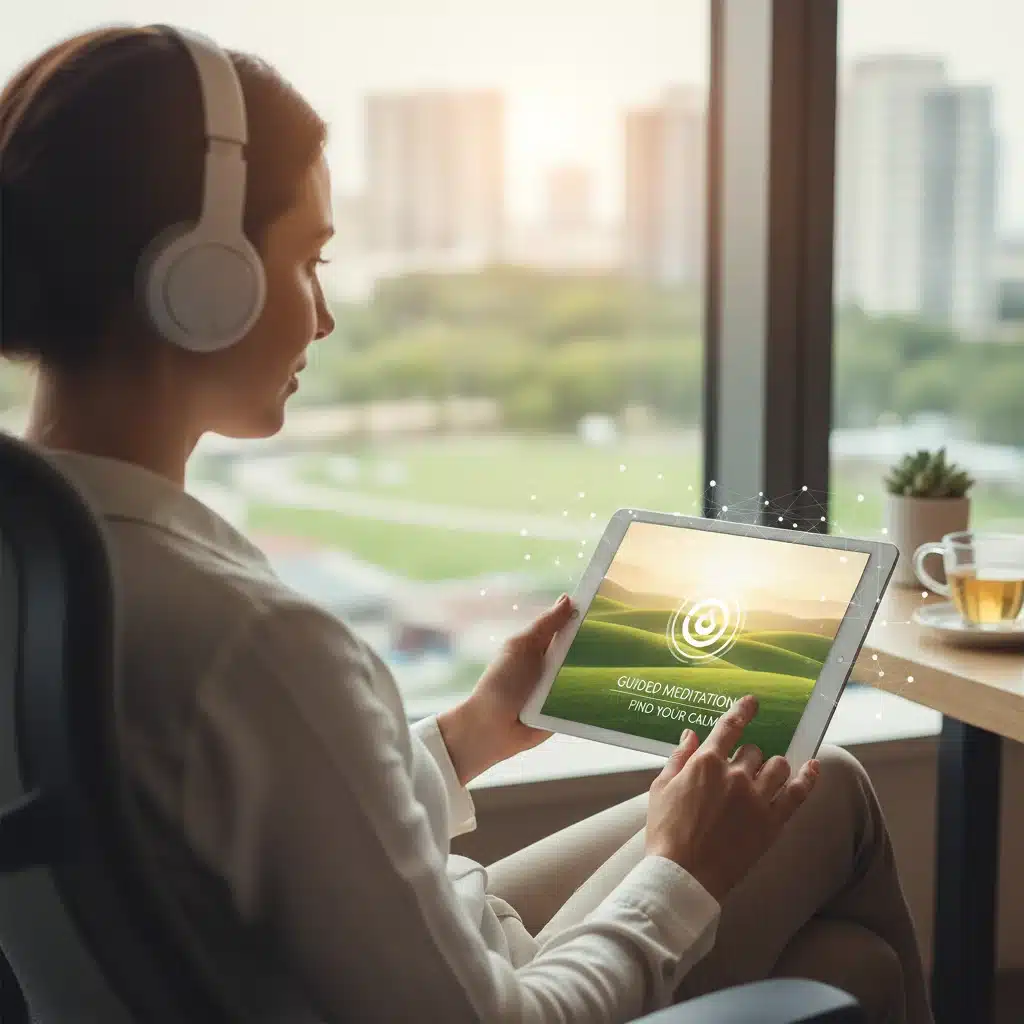
Technology plays a pivotal role in expanding access to mental health resources. Digital platforms and apps offer a range of services, including guided meditation, cognitive behavioral therapy (CBT) exercises, mood tracking, and virtual therapy sessions. These tools provide flexibility and anonymity, appealing to employees who may be hesitant to seek in-person support. The best platforms are evidence-based, user-friendly, and integrated seamlessly with other employer benefits.
3. Mental Health Training and Education
Prevention and early intervention are crucial. Employers are investing in training for managers and employees to recognize the signs of mental health issues, reduce stigma, and promote open communication. This includes mental health first aid training, workshops on stress management, resilience building, and mindfulness practices. Education empowers employees to take proactive steps for their well-being and helps managers create supportive team environments.
4. Flexible Work Arrangements and Work-Life Integration
The pandemic accelerated the adoption of flexible work. In 2026, this flexibility is recognized as a key component of mental wellness. Offering options like hybrid work models, flexible hours, and compressed workweeks allows employees to better manage personal responsibilities and reduce work-related stress, contributing to a healthier work-life balance.
5. Supportive Leadership and Culture
Ultimately, the success of any employer mental wellness program hinges on leadership commitment and a supportive organizational culture. Leaders must champion mental health initiatives, lead by example, and foster an environment where employees feel safe to discuss their mental health without fear of retribution. This involves active listening, empathy, and a genuine commitment to employee well-being from the top down.
Maximizing Benefits: Strategies for Employees
As an employee, understanding and actively engaging with the employer mental wellness programs available to you is crucial for your personal well-being and professional success. Many resources go underutilized simply because employees are unaware of their existence or how to access them. In 2026, taking a proactive approach to your mental health is more empowered than ever before.
1. Familiarize Yourself with Available Resources
Start by thoroughly reviewing your company’s benefits package and internal communications. Many organizations have dedicated portals, HR contacts, or internal wellness committees that can provide a comprehensive overview of all mental health resources. Don’t assume you know what’s offered; programs evolve rapidly. Look for information on EAPs, digital platforms, therapy options, and any specific wellness initiatives like mindfulness classes or stress reduction workshops. Understanding your options is the first step to leveraging them effectively.
2. Overcome Stigma and Seek Help Early
Despite progress, stigma around mental health still exists. However, remember that seeking support is a sign of strength, not weakness. Don’t wait until you’re in crisis. If you notice signs of stress, anxiety, burnout, or any other mental health challenge, reach out to the available resources. Early intervention can prevent minor issues from escalating into more significant problems, allowing you to maintain your well-being and performance.
3. Utilize Digital Tools and Platforms
Many employer programs now include subscriptions to premium mental health apps or platforms. These tools offer incredible flexibility, allowing you to access support at your convenience and often anonymously. Explore features like guided meditations, CBT exercises, mood tracking, and virtual therapy. Integrate these tools into your daily routine, even for a few minutes, to build resilience and manage stress proactively. They can be particularly useful for maintaining consistent self-care.
4. Advocate for Your Needs
If you find that the existing programs don’t fully address your specific needs, don’t hesitate to provide constructive feedback to HR or your wellness committee. Many companies are eager to improve their offerings and value employee input. Additionally, if you require accommodations due to a mental health condition, understand your rights and communicate openly with your manager and HR, leveraging the support systems in place.
5. Engage in Workplace Wellness Initiatives
Participate in company-sponsored workshops, seminars, or group activities related to mental health. These initiatives not only provide valuable skills and knowledge but also help foster a supportive community within the workplace. Connecting with colleagues who share similar experiences can reduce feelings of isolation and build a stronger sense of belonging, which is vital for mental well-being.
Maximizing Benefits: Strategies for Employers
For employers, simply offering a suite of mental wellness programs is not enough. To truly maximize the benefits of these initiatives in 2026, a strategic and integrated approach is essential. This involves not only providing resources but also creating an environment where these resources are actively utilized and valued.
1. Conduct a Comprehensive Needs Assessment
Before implementing or expanding programs, understand your workforce’s specific needs. Utilize surveys, focus groups, and anonymized data (where appropriate and ethical) to identify common stressors, preferred support methods, and gaps in current offerings. A tailored approach will ensure that your employer mental wellness programs are relevant and impactful, directly addressing the unique challenges faced by your employees.
2. Promote and Communicate Effectively
One of the biggest barriers to utilization is a lack of awareness. Employers must actively and consistently promote their mental wellness programs through multiple channels: email campaigns, intranet announcements, team meetings, and clear signage. Emphasize confidentiality, ease of access, and the broad range of services available. Regular communication helps to normalize seeking help and ensures employees know where to turn when they need support.
3. Train Leaders and Managers
Managers are on the front lines of employee well-being. Provide comprehensive training to equip them with the skills to recognize signs of distress, engage in supportive conversations, and effectively refer employees to appropriate resources. Training should also cover how to manage their own stress and model healthy behaviors. A manager who understands and champions mental wellness can significantly impact team morale and utilization rates.
4. Integrate Mental Wellness into Company Culture
Mental wellness should not be a standalone initiative but an integral part of your company’s values and culture. This means fostering psychological safety, promoting work-life balance, discouraging overwork, and celebrating mental health awareness. Leaders should regularly communicate about the importance of mental health, share personal stories (if comfortable), and visibly support wellness initiatives. A culture that prioritizes mental health will naturally encourage employees to utilize available programs.
5. Measure, Evaluate, and Adapt
To ensure programs are effective, employers must establish clear metrics for success. This could include anonymized utilization rates, employee engagement in wellness activities, feedback surveys, and broader indicators like absenteeism, presenteeism, and retention rates. Regularly evaluate the impact of your employer mental wellness programs, solicit employee feedback, and be prepared to adapt and evolve your offerings based on data and changing needs. The mental health landscape is dynamic, and your programs should be too.
The Business Case for Prioritizing Employer Mental Wellness
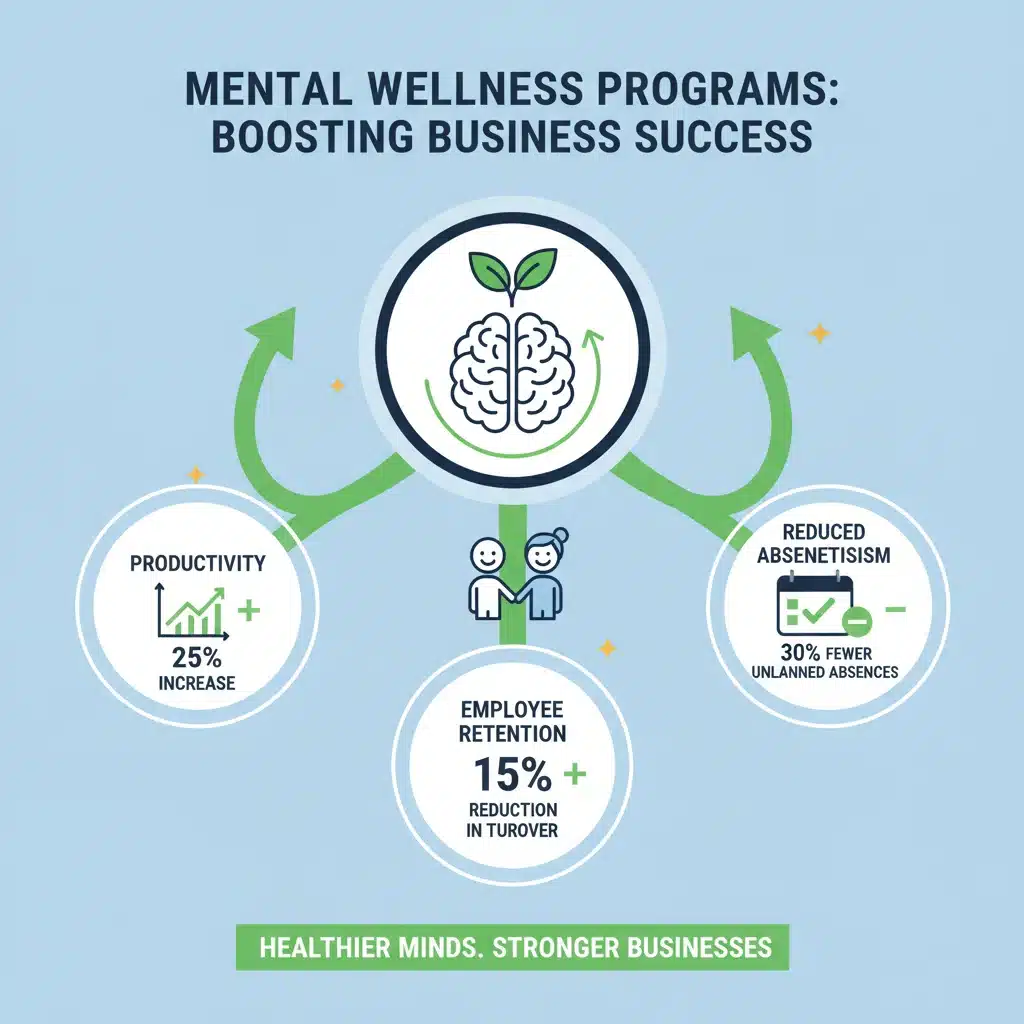
Beyond the ethical imperative to care for employees, there is a compelling business case for robust employer mental wellness programs in 2026. Investing in mental health yields significant returns, impacting various aspects of organizational performance and sustainability.
1. Increased Productivity and Performance
Employees struggling with mental health issues often experience reduced concentration, motivation, and decision-making abilities. By providing support, organizations help employees return to their optimal performance levels, leading to higher output and better quality of work. A mentally healthy workforce is a productive workforce.
2. Reduced Absenteeism and Presenteeism
Mental health conditions are a leading cause of absenteeism. Furthermore, presenteeism – where employees are at work but not fully engaged or productive due to health issues – can be even more costly. Effective mental wellness programs reduce both, ensuring employees are physically and mentally present and engaged when they are at work.
3. Improved Employee Retention and Attraction
In a competitive talent market, a strong commitment to employee well-being is a significant differentiator. Companies known for their supportive mental wellness programs are more attractive to prospective employees and more successful at retaining current talent. Employees are increasingly prioritizing employers who genuinely care about their holistic well-being, making mental health benefits a recruitment and retention tool.
4. Enhanced Employee Morale and Engagement
When employees feel supported by their employer, their morale and engagement naturally improve. A positive and supportive work environment fosters a sense of loyalty and belonging, leading to a more committed and enthusiastic workforce. This translates into better teamwork, higher job satisfaction, and a more positive company culture.
5. Lower Healthcare Costs
Untreated mental health conditions can lead to physical health problems, increasing overall healthcare costs for both employees and employers. By addressing mental health proactively, organizations can help prevent more severe and costly health issues down the line, contributing to long-term cost savings.
Future Trends in Employer Mental Wellness (2026 and Beyond)
As we move further into 2026 and beyond, the field of employer mental wellness will continue to evolve, driven by technological advancements, shifting workforce demographics, and a deeper understanding of human psychology. Employers should be prepared to adapt to these emerging trends to maintain cutting-edge and effective programs.
1. Hyper-Personalization and AI Integration
The use of artificial intelligence and machine learning will become even more sophisticated in tailoring mental wellness support. AI will analyze individual employee data (with strict privacy protocols) to recommend personalized resources, therapeutic approaches, and preventive strategies, moving beyond a one-size-fits-all model to truly individualized care plans.
2. Proactive and Predictive Mental Health
Future programs will focus more heavily on predictive analytics to identify employees at risk of mental health challenges before they escalate. This could involve analyzing anonymized data patterns related to work stress, workload, and communication, allowing for proactive outreach and support. The emphasis will shift from reaction to prevention, leveraging data responsibly to intervene early.
3. Integration with Physical Health and Financial Wellness
The understanding of holistic well-being will deepen, leading to more integrated programs that connect mental, physical, and financial health. Employers will offer combined platforms that address all aspects of an employee’s well-being, recognizing that these areas are deeply interconnected. For example, financial stress often impacts mental health, and physical activity can significantly boost mood.
4. Specialized Support for Diverse Workforces
As workforces become more diverse, there will be an increased demand for culturally competent and specialized mental health support. This includes programs designed for specific demographics, such as LGBTQ+ employees, parents, caregivers, and individuals from various ethnic and cultural backgrounds, ensuring that support is relevant and accessible to everyone.
5. Virtual Reality (VR) and Immersive Therapies
Emerging technologies like VR are beginning to show promise in therapeutic applications, such as exposure therapy for anxiety or creating calming immersive environments for stress reduction. In 2026 and beyond, we may see VR and other immersive technologies integrated into employer mental wellness programs, offering innovative and engaging ways to support employee mental health.
Conclusion: A Mentally Healthy Future for the Workplace
The opportunities to leverage employer-sponsored mental wellness programs for maximum benefit in 2026 are immense and transformative. For employees, these programs represent a vital avenue for support, growth, and resilience, empowering them to navigate the complexities of modern life and work with greater ease. For employers, they are a strategic investment that yields substantial returns in productivity, retention, and overall organizational health.
The shift towards a proactive, holistic, and integrated approach to mental well-being is not just a passing trend but a fundamental recalibration of how we view and support our most valuable asset: our people. By embracing the evolving landscape of mental wellness, fostering a culture of psychological safety, and continuously adapting to new insights and technologies, organizations can create workplaces where every employee has the opportunity to thrive.
In 2026, the success of a company will be increasingly intertwined with the mental well-being of its workforce. Those who prioritize and effectively implement robust employer mental wellness programs will not only build more resilient and engaged teams but also emerge as leaders in the future of work. The time to invest in and maximize these opportunities is now, paving the way for a healthier, happier, and more productive professional future for all.