Assistive Technology for Caregivers: Innovations for 2026 and Beyond
The Latest in Assistive Technology for Caregivers: 4 Innovations to Watch in 2026
Caregiving is a profoundly demanding yet incredibly rewarding role, often requiring immense dedication, emotional resilience, and physical stamina. As our global population ages, the demand for effective and compassionate care continues to surge, placing significant pressure on both professional and family caregivers. Thankfully, the landscape of caregiving is undergoing a remarkable transformation, driven by rapid advancements in assistive technology for caregivers. These innovations are not just futuristic concepts; many are already making a tangible difference, and by 2026, they are poised to revolutionize how we provide and receive care.
The goal of modern assistive technology for caregivers is multifaceted: to enhance the safety and independence of care recipients, to alleviate the physical and emotional burden on caregivers, and to foster better communication and connectivity within the care ecosystem. From smart home devices that monitor daily activities to AI-powered health platforms that predict potential issues, the future of caregiving is intrinsically linked to intelligent, user-friendly technological solutions.
This article delves into four crucial innovations in assistive technology for caregivers that are set to define the caregiving experience in 2026. We will explore how these technologies work, their benefits, and what caregivers can expect as they integrate these tools into their daily routines. Understanding these advancements is key for caregivers looking to optimize their efforts, improve the quality of life for their loved ones, and embrace a more sustainable approach to care.
1. Advanced AI-Powered Predictive Health Monitoring Systems
One of the most significant breakthroughs in assistive technology for caregivers is the emergence of advanced AI-powered predictive health monitoring systems. Gone are the days of reactive care, where interventions only occurred after an incident. Today, and even more so by 2026, AI is enabling a proactive approach to health management, offering caregivers an unprecedented level of insight into the well-being of their care recipients.
How They Work:
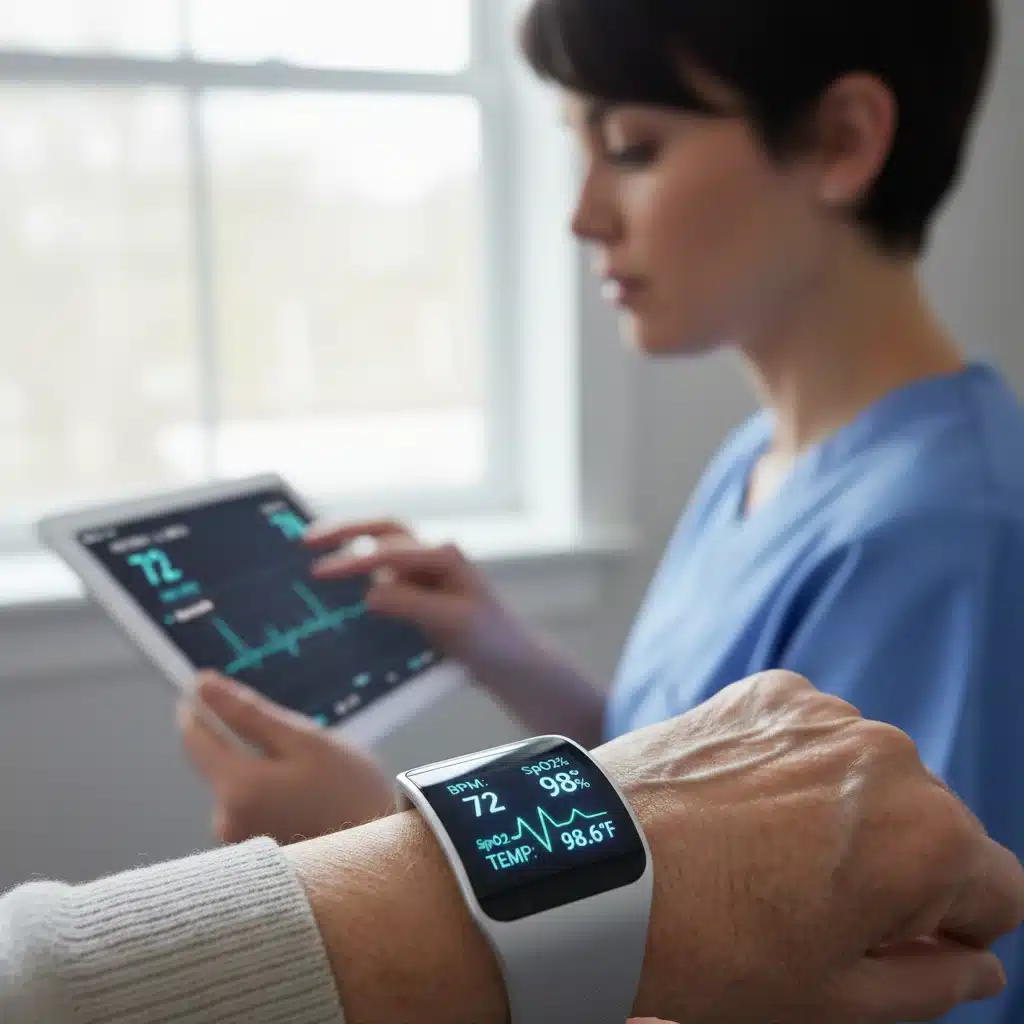
These systems typically integrate data from various sources: wearable sensors (smartwatches, patches), environmental sensors (motion detectors, bed sensors), smart home devices, and even voice analysis. AI algorithms then process this vast amount of data to identify subtle patterns and deviations from an individual’s baseline. For example, a slight change in gait detected by a floor sensor, combined with a dip in activity levels from a wearable and unusual sleep patterns, could trigger an alert suggesting an increased fall risk or the onset of an illness, long before overt symptoms appear.
Beyond simple alerts, these systems are becoming increasingly sophisticated. They can learn an individual’s unique routines, habits, and physiological markers. This personalized learning allows the AI to differentiate between normal fluctuations and genuine concerns, reducing false alarms and ensuring caregivers receive actionable insights. Some systems can even analyze medication adherence through smart pill dispensers and cross-reference it with biometric data to assess treatment effectiveness.
Benefits for Caregivers:
- Early Intervention: The primary benefit is the ability to intervene early. Detecting a urinary tract infection (UTI) or a cardiac anomaly before it becomes severe can prevent hospitalizations and improve recovery outcomes.
- Reduced Stress and Burnout: Knowing that an intelligent system is constantly monitoring their loved one provides immense peace of mind for caregivers, especially those managing care remotely or juggling multiple responsibilities. This reduces the constant vigilance often associated with caregiving.
- Data-Driven Decisions: Caregivers can share detailed, objective data with healthcare providers, leading to more accurate diagnoses and personalized care plans. This shifts discussions from anecdotal observations to evidence-based insights.
- Enhanced Safety: Beyond health, these systems can monitor for potential safety hazards, such as an oven left on, an unlocked door, or a person wandering outside designated safe zones.
- Personalized Care: By understanding the individual’s patterns, caregivers can tailor their support more effectively, respecting personal preferences and promoting greater independence.
Looking Ahead to 2026:
By 2026, we expect these systems to be even more integrated, predictive, and user-friendly. Voice-activated interfaces will allow care recipients to interact more naturally with their monitoring devices. The AI will become even better at distinguishing between critical and non-critical events, further refining alert accuracy. Moreover, interoperability with electronic health records (EHRs) will become standard, creating a seamless flow of information between home care and clinical settings. This will solidify AI-powered predictive health monitoring as a cornerstone of assistive technology for caregivers.
2. Advanced Robotics and Automated Assistance
When many people think of robotics in caregiving, they often envision humanoid robots performing complex tasks. While such advanced robots are still evolving, the reality for 2026 in assistive technology for caregivers is a more practical and immediate integration of automated assistance, focusing on specific, repetitive, or physically demanding tasks.
How They Work:
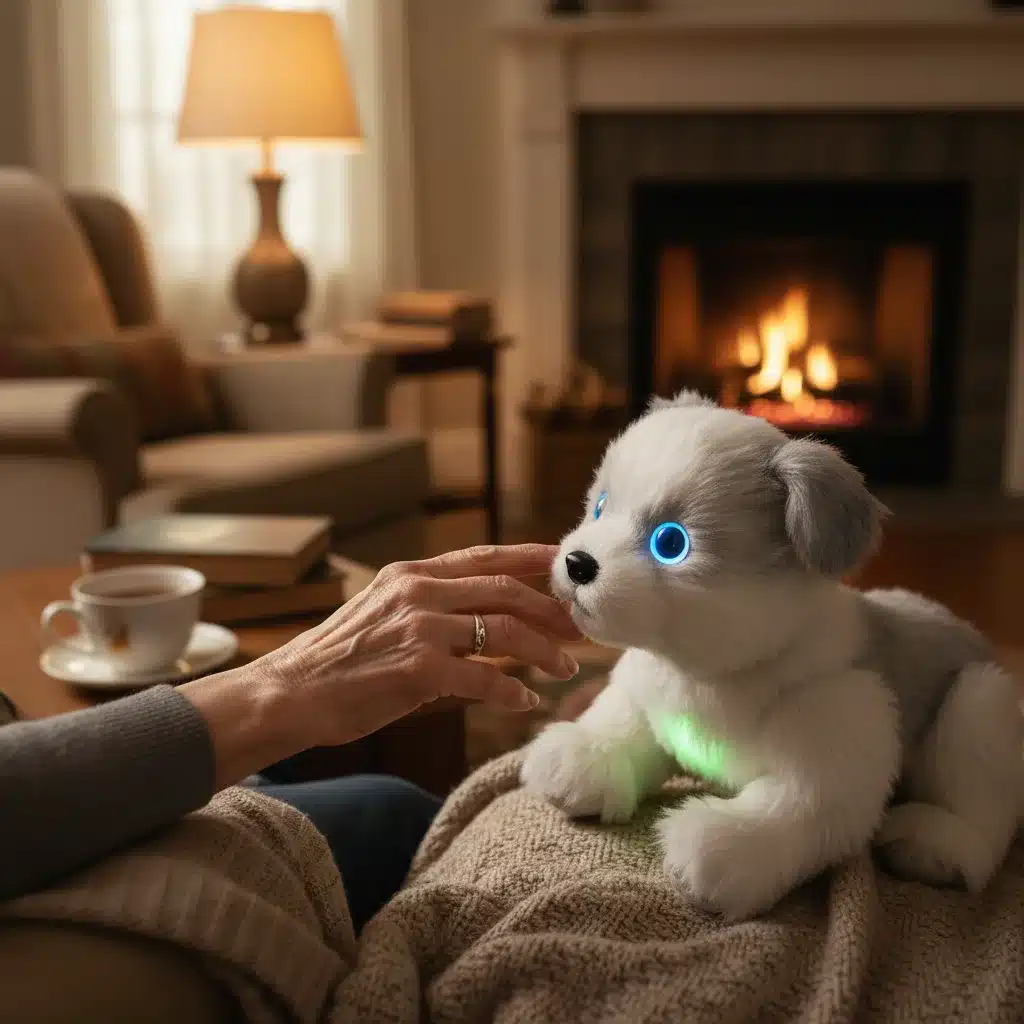
This category encompasses a range of devices, from robotic companions to automated lifting aids and smart medication dispensers. Robotic companions, often resembling pets or simple interactive devices, offer emotional support, combat loneliness, and provide reminders for medication or appointments. They can engage in simple conversations, play music, or guide exercises. For caregivers, these companions can act as an invaluable respite, offering consistent interaction when the caregiver is unavailable.
Automated lifting and transfer aids are also becoming more sophisticated. While not fully autonomous, these devices use hydraulic or electric mechanisms to assist in moving individuals from beds to wheelchairs, or from a chair to a standing position, significantly reducing the risk of injury for both the care recipient and the caregiver. These are essential pieces of assistive technology for caregivers dealing with mobility challenges.
Furthermore, automated medication dispensers have evolved beyond simple timers. The latest models can dispense multiple medications at precise times, confirm ingestion, and even alert caregivers or pharmacies if doses are missed or running low. Some are equipped with biometric verification to ensure the correct person is taking the medication.
Benefits for Caregivers:
- Physical Burden Reduction: Automated lifting aids are game-changers for caregivers, preventing back injuries and making transfers safer and more dignified for the care recipient.
- Enhanced Medication Adherence: Smart dispensers ensure consistent medication schedules, which is critical for managing chronic conditions and reducing health complications.
- Emotional Support and Companionship: Robotic companions can fill gaps in social interaction, reducing feelings of isolation and depression in care recipients, thereby indirectly easing the emotional load on caregivers.
- Increased Independence: By automating certain tasks, these devices empower care recipients to manage aspects of their daily lives more independently, fostering a sense of autonomy.
- Time Savings: Automating routine tasks frees up caregivers’ time to focus on more personalized care, emotional support, or to attend to their own needs.
Looking Ahead to 2026:
By 2026, expect to see more specialized robotic assistance. Robots might assist with light household chores, fetch small items, or even help with personal hygiene tasks in a privacy-respecting manner. The focus will remain on augmenting human care rather than replacing it, making these innovations integral assistive technology for caregivers.
3. Immersive Virtual and Augmented Reality for Cognitive Support and Training
Virtual Reality (VR) and Augmented Reality (AR) are no longer confined to gaming. These immersive technologies are rapidly finding their place in healthcare, particularly as assistive technology for caregivers, offering innovative solutions for cognitive support, rehabilitation, and even caregiver training.
How They Work:
For care recipients, VR can create engaging and safe environments for cognitive stimulation and memory recall. Imagine an individual with dementia being able to ‘revisit’ their childhood home or a favorite vacation spot through a VR headset, triggering positive memories and offering a sense of familiarity and comfort. These experiences can be tailored to individual preferences, providing therapeutic engagement without the risks or logistical challenges of physical travel.
AR, on the other hand, overlays digital information onto the real world. For care recipients, this could mean an AR app that provides step-by-step instructions for a daily task, appearing as visual cues on a smart glass display, guiding them through cooking a meal or getting dressed. For caregivers, AR offers powerful training opportunities. Imagine a caregiver practicing complex medical procedures or learning how to use a new piece of equipment with AR overlays guiding their hands and providing real-time feedback, all in a risk-free virtual environment.
Benefits for Caregivers:
- Cognitive Engagement and Therapy: VR provides a novel and effective way to engage care recipients with cognitive impairments, reducing agitation and improving mood.
- Skill Development and Rehabilitation: Both VR and AR can be used for physical and occupational therapy, making exercises more engaging and trackable for individuals recovering from strokes or injuries.
- Enhanced Caregiver Training: AR and VR offer immersive, hands-on training for caregivers, allowing them to practice critical skills, understand complex conditions, and prepare for challenging scenarios in a safe, simulated environment. This is a game-changer for professional development in assistive technology for caregivers.
- Reduced Isolation: VR can connect care recipients with virtual social groups or allow them to experience events they can no longer physically attend, combating loneliness.
- Personalized Experiences: Content can be highly customized to individual needs and preferences, maximizing therapeutic benefits.
Looking Ahead to 2026:
By 2026, VR/AR headsets will be lighter, more affordable, and more user-friendly. Content libraries will expand significantly, offering a wider range of therapeutic and engaging experiences. We’ll see more integration with biometrics, allowing VR/AR systems to adapt experiences based on a user’s emotional or physiological state. This will make immersive technology an increasingly vital component of assistive technology for caregivers, both for the care recipient’s well-being and the caregiver’s professional development.
4. Integrated Smart Home Ecosystems with Voice Control and Adaptive Features
The concept of a ‘smart home’ has been around for some time, but by 2026, these systems will evolve into truly integrated, adaptive ecosystems specifically designed to function as assistive technology for caregivers. These systems move beyond simple convenience, becoming essential tools for safety, comfort, and independence.
How They Work:
An integrated smart home ecosystem for caregiving connects various devices – smart lighting, thermostats, door locks, security cameras, smart speakers, fall detection sensors, and even smart appliances – into a cohesive network. The key is their ability to communicate with each other and respond to voice commands, pre-programmed routines, or sensor-triggered events. For example, a care recipient can simply say, “Lights on, please,” or “Turn up the heat.”
More advanced systems will learn routines and adapt. If a person typically goes to the bathroom at 3 AM, the system might automatically illuminate a low-level path to the bathroom. If a fall is detected, lights could brighten, an alert could be sent to a caregiver, and emergency services could be contacted automatically. These systems are designed with privacy and security in mind, allowing caregivers to monitor activity without being intrusive.
Adaptive features mean the system can be customized to individual needs. For someone with visual impairment, voice feedback from appliances or extra bright, contrasting lighting could be activated. For someone with limited mobility, doors could unlock automatically as they approach, or curtains could open and close with a voice command.
Benefits for Caregivers:
- Enhanced Safety and Security: Automated locks, security cameras, and integrated fall detection provide a robust safety net, reducing caregiver worry.
- Increased Independence for Care Recipients: Voice control and automated routines empower individuals to manage their environment, fostering a sense of control and reducing reliance on caregivers for simple tasks.
- Environmental Comfort and Control: Care recipients can easily adjust lighting, temperature, and entertainment, improving their overall comfort and well-being.
- Remote Monitoring and Management: Caregivers can remotely check on their loved one’s environment – ensuring doors are locked, temperatures are comfortable, or lights are off – even when they are not physically present. This is a vital aspect of modern assistive technology for caregivers.
- Energy Efficiency: Smart thermostats and lighting can optimize energy usage, potentially reducing utility costs.
Looking Ahead to 2026:
By 2026, these ecosystems will be even more intuitive and ‘invisible.’ They will require less setup, learn user preferences more quickly, and offer greater compatibility across different brands. The integration with predictive health monitoring systems will deepen, allowing the smart home to not just react to events but anticipate needs based on health data. For instance, if a person’s biometric data indicates restlessness, the smart home might subtly adjust lighting or play calming music. This seamless integration will make smart home ecosystems an indispensable part of assistive technology for caregivers.
The Broader Impact of Assistive Technology for Caregivers
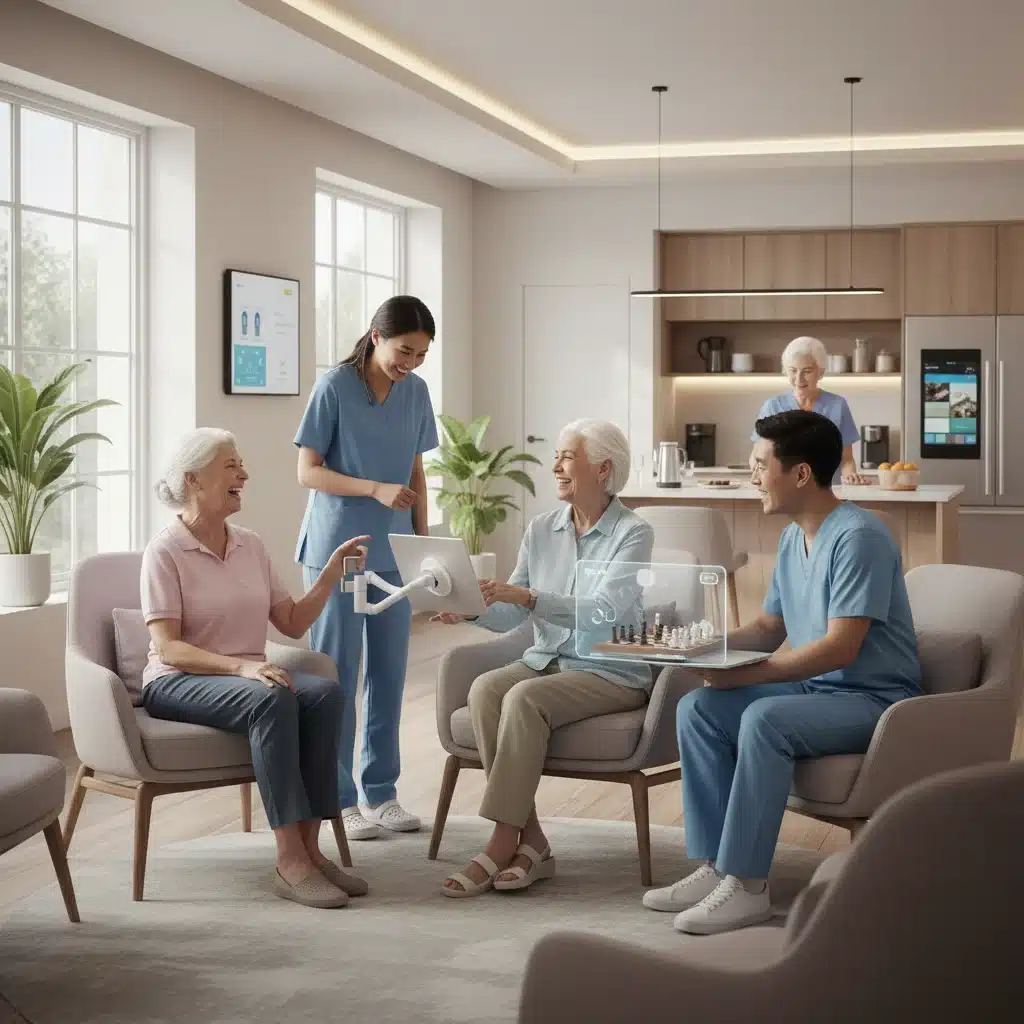
The innovations discussed—AI-powered predictive health monitoring, advanced robotics, immersive VR/AR, and integrated smart home ecosystems—are not just standalone gadgets. Their true power lies in their potential for synergy. When combined, they create a comprehensive support system that significantly elevates the standard of care. Imagine a scenario where a smart home detects a change in gait, an AI monitoring system analyzes the data and predicts an increased fall risk, a robotic companion offers verbal encouragement to move carefully, and a caregiver, alerted via their AR-enabled device, can review the situation and intervene proactively. This holistic approach transforms caregiving from a reactive, often overwhelming task into a proactive, manageable, and more rewarding experience.
For care recipients, this means a greater degree of independence, improved safety, and a higher quality of life. They can remain in their homes longer, maintain their dignity, and engage with the world in new and stimulating ways. For caregivers, whether family members or professionals, these technologies offer much-needed relief from physical strain, mental stress, and the constant worry that often accompanies their role. By automating routine tasks and providing critical insights, assistive technology for caregivers allows them to focus on the human aspects of care: companionship, emotional support, and personalized attention.
Challenges and Considerations:
While the future of assistive technology for caregivers is bright, it’s essential to acknowledge potential challenges. These include:
- Cost: Advanced technologies can be expensive, potentially creating accessibility barriers. Efforts must be made to make these innovations affordable and covered by insurance or public programs.
- Privacy and Data Security: Collecting sensitive health and activity data raises concerns about privacy. Robust security measures and clear ethical guidelines are paramount.
- Digital Divide: Not all caregivers or care recipients are tech-savvy. User-friendly interfaces and adequate training are crucial to ensure widespread adoption.
- Over-reliance on Technology: While beneficial, technology should always augment, not replace, human interaction and empathy. The human touch remains irreplaceable in caregiving.
- Interoperability: Ensuring that different devices and systems can communicate seamlessly is vital for creating truly integrated solutions.
Conclusion: Empowering the Future of Caregiving with Assistive Technology
The year 2026 promises to be a pivotal moment for assistive technology for caregivers. The innovations discussed—AI-powered predictive health monitoring, advanced robotics, immersive VR/AR, and integrated smart home ecosystems—are set to redefine the caregiving landscape. They offer not just tools, but comprehensive solutions that enhance safety, promote independence, and significantly ease the burden on caregivers.
As these technologies continue to mature and become more accessible, they will empower caregivers with unprecedented capabilities, allowing them to provide higher quality, more personalized, and less stressful care. By embracing these advancements, we can create a future where caregiving is not only more sustainable but also more fulfilling for everyone involved. The journey towards a technologically enhanced caregiving future is well underway, and 2026 will mark a significant milestone in this transformative evolution of assistive technology for caregivers.