Telehealth in Public Health: Maximizing Reach and Impact for US Communities by 2027
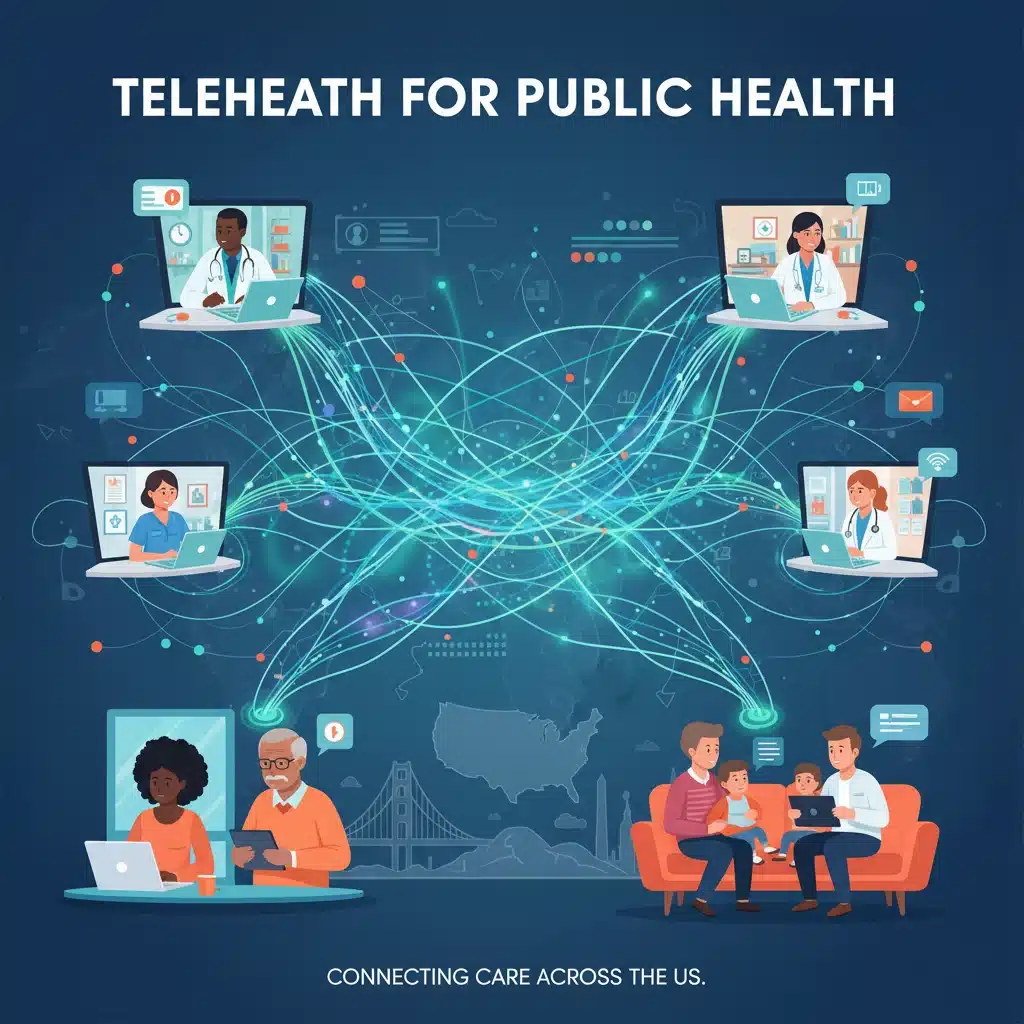
Telehealth in Public Health: Maximizing Reach and Impact for US Communities by 2027
The landscape of healthcare is undergoing a profound transformation, with telehealth emerging as a pivotal force in reshaping public health initiatives across the United States. As we look towards 2027, the integration of telehealth in public health promises to maximize reach and impact, addressing long-standing disparities and improving health outcomes for diverse communities. This comprehensive exploration delves into the multifaceted aspects of telehealth’s role, from its fundamental benefits to the strategic imperatives for its successful implementation and sustained growth.
The COVID-19 pandemic undeniably accelerated the adoption of telehealth technologies, pushing what was once a niche offering into the mainstream. This rapid expansion highlighted not only the immense potential of virtual care but also the critical need for robust infrastructure, equitable access, and comprehensive policy frameworks. Now, as the immediate crisis recedes, the focus shifts to how we can strategically embed telehealth into the fabric of public health to create a more resilient, accessible, and effective healthcare system for all Americans.
The Evolving Role of Telehealth in Public Health
Telehealth, broadly defined, encompasses a wide array of technologies and services that deliver healthcare at a distance. In the context of public health, this extends beyond individual patient consultations to include population-level health management, disease surveillance, health education, and emergency response. The shift towards proactive, preventative care models makes telehealth an indispensable tool for public health agencies and community organizations.
One of the most significant contributions of telehealth to public health is its ability to overcome geographical barriers. Rural and underserved communities, often grappling with a scarcity of healthcare providers and specialized services, can now access expert care without the burden of extensive travel. This enhances health equity, ensuring that zip code no longer dictates the quality or availability of essential health services. Moreover, telehealth facilitates early intervention and continuous care, which are crucial for managing chronic diseases and preventing the escalation of acute conditions.
Beyond individual care, telehealth plays a vital role in public health surveillance. Virtual platforms can be used to collect and analyze health data in real-time, enabling public health officials to monitor disease outbreaks, identify emerging health threats, and implement targeted interventions more swiftly and effectively. This proactive approach is essential for mitigating public health crises and protecting community well-being.
Key Benefits of Telehealth for Public Health in the US
The advantages of integrating telehealth into public health strategies are numerous and far-reaching. Understanding these benefits is crucial for advocating for and implementing robust telehealth programs that can truly transform the health of US communities by 2027.
Enhanced Accessibility and Health Equity
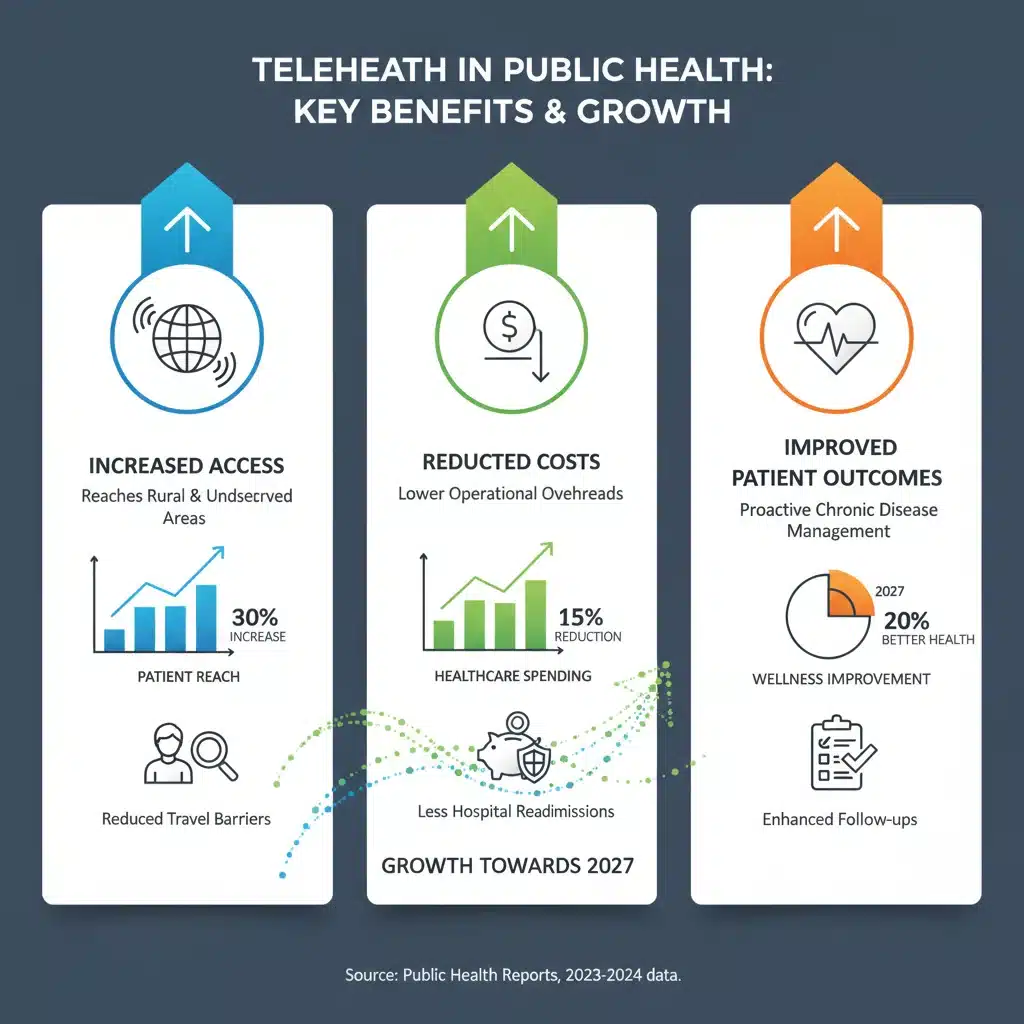
Perhaps the most celebrated benefit of telehealth is its capacity to drastically improve healthcare accessibility. For residents in rural areas, those with limited mobility, or individuals facing transportation challenges, telehealth removes significant barriers to care. This directly contributes to health equity by ensuring that everyone, regardless of their socioeconomic status or geographic location, has the opportunity to receive timely and appropriate health services. Telehealth public health initiatives can specifically target these vulnerable populations, offering culturally competent care and reducing the burden of disease.
Cost-Effectiveness and Resource Optimization
Telehealth can lead to substantial cost savings for both patients and the healthcare system. Patients save on travel expenses, time off work, and childcare, while healthcare providers can optimize resource allocation by reducing the need for physical infrastructure and administrative overhead. For public health agencies, telehealth offers an efficient way to extend services without proportional increases in physical facilities or staffing. This efficiency allows for a greater focus on preventative care and community outreach, maximizing the impact of limited public health budgets. The shift to telehealth public health models can free up resources for other critical public health initiatives.
Improved Patient Engagement and Outcomes
The convenience and flexibility offered by telehealth often lead to higher patient engagement. Individuals are more likely to attend virtual appointments, adhere to treatment plans, and participate in health education programs when they can do so from the comfort of their homes. This increased engagement can result in better management of chronic conditions, improved adherence to vaccination schedules, and overall healthier lifestyles. For public health, this means a more informed and proactive populace, leading to better population-level health outcomes.
Efficient Disease Management and Prevention
Telehealth facilitates continuous monitoring and management of chronic diseases, reducing hospital readmissions and emergency room visits. Public health programs can leverage telehealth for remote patient monitoring, allowing healthcare providers to track vital signs, medication adherence, and symptom progression. This proactive approach helps prevent complications and promotes long-term health. Furthermore, telehealth can be a powerful tool for delivering preventative services, such as virtual health screenings, vaccination reminders, and lifestyle counseling, thus bolstering the core mission of public health.
Rapid Response to Public Health Emergencies
As demonstrated during the pandemic, telehealth is invaluable during public health emergencies. It allows for the rapid deployment of medical consultations, mental health support, and information dissemination without risking further spread of infectious diseases. This capability is critical for maintaining continuity of care and providing essential services when traditional in-person access is compromised. Telehealth public health strategies are therefore integral to national preparedness plans.

Strategies for Maximizing Telehealth Impact by 2027
Achieving the full potential of telehealth in public health by 2027 requires a concerted effort across various sectors. Strategic planning, robust infrastructure, and adaptive policies are paramount.
Developing Robust Telehealth Infrastructure
A fundamental requirement for widespread telehealth adoption is access to reliable broadband internet. Many rural and low-income areas still lack adequate connectivity, creating a significant digital divide. Investing in broadband expansion and ensuring affordable access for all communities is a critical public health imperative. Furthermore, public health agencies need secure, interoperable telehealth platforms that can seamlessly integrate with existing health information systems, ensuring data privacy and efficient information exchange.
Establishing Supportive Policy and Regulatory Frameworks
Government policies play a crucial role in shaping the telehealth landscape. By 2027, clear and consistent regulatory frameworks are needed across all states to reduce confusion and encourage widespread adoption. This includes permanent reimbursement parity for telehealth services, interstate licensure compacts for healthcare professionals, and updated privacy regulations that protect patient data while facilitating necessary information sharing for public health purposes. The goal is to create an environment where telehealth public health initiatives can thrive without unnecessary bureaucratic hurdles.
Training and Education for Healthcare Professionals and the Public
Successful telehealth implementation relies on a well-trained workforce and an informed public. Healthcare professionals need comprehensive training on telehealth technologies, best practices for virtual consultations, and cultural competency in delivering remote care. Simultaneously, public health campaigns should educate the public on how to access and utilize telehealth services effectively, addressing any technological literacy gaps and fostering trust in virtual care. This dual approach ensures both supply and demand for telehealth services are met.
Integrating Telehealth with Community-Based Programs
To maximize its impact, telehealth should not operate in isolation but be integrated with existing community-based public health programs. This could involve virtual support groups for chronic disease management, remote mental health counseling services, or telehealth kiosks in community centers and schools. Such integration leverages existing trust networks and makes telehealth a more accessible and familiar option for community members. Telehealth public health partnerships with local organizations are key to success.
Focusing on Data-Driven Decision Making
The wealth of data generated by telehealth interactions offers an unprecedented opportunity for public health surveillance and intervention planning. By 2027, public health agencies should be equipped with advanced analytics capabilities to process this data, identify trends, predict outbreaks, and evaluate the effectiveness of telehealth programs. This data-driven approach will enable continuous improvement and targeted resource allocation, ensuring that telehealth investments yield the greatest possible public health benefits.
Challenges and Opportunities on the Road to 2027
While the promise of telehealth in public health is immense, several challenges must be addressed to fully realize its potential.
Addressing the Digital Divide
As mentioned, unequal access to broadband internet and digital devices remains a significant barrier. Strategies to overcome this include government subsidies for internet services, community programs providing devices and digital literacy training, and exploring innovative solutions like mobile telehealth units equipped with Wi-Fi hotspots. Bridging this gap is fundamental to achieving health equity through telehealth public health.
Ensuring Data Security and Privacy
With the expansion of virtual care comes heightened concerns about data security and patient privacy. Robust cybersecurity measures, adherence to HIPAA regulations, and continuous education for both providers and patients on data protection are essential. Building trust in the security of telehealth platforms is paramount for sustained adoption.
Interoperability and Integration
The lack of seamless interoperability between different telehealth platforms and electronic health records (EHRs) can hinder efficient data exchange and create fragmented care. Developing industry standards and promoting the adoption of open-source solutions can help overcome these challenges, ensuring that patient information flows smoothly across the healthcare ecosystem. This is crucial for effective telehealth public health management.
Workforce Development and Training
The demand for healthcare professionals skilled in telehealth delivery is growing. Public health agencies and educational institutions must collaborate to develop curricula that equip the future workforce with the necessary technological and clinical competencies for virtual care. This includes training in virtual communication, remote diagnostics, and ethical considerations specific to telehealth.
Sustaining Funding and Reimbursement Policies
The temporary telehealth waivers enacted during the pandemic demonstrated the viability of virtual care. Sustaining and expanding these reimbursement policies is vital for ensuring the financial stability of telehealth services. Consistent funding mechanisms from federal and state governments will encourage providers to invest in telehealth infrastructure and training, making it a permanent fixture in public health delivery.
The Future of Telehealth in Public Health: A Vision for 2027
By 2027, we envision a public health system where telehealth is not just an add-on but an integral, seamlessly integrated component of care delivery. This future will be characterized by:
- Universal Access: Nearly all US communities, including those in rural and underserved areas, will have reliable access to high-speed internet and the digital literacy needed to engage with telehealth services.
- Personalized Public Health Interventions: Telehealth platforms will leverage AI and machine learning to deliver highly personalized public health messages and interventions, tailored to individual needs and community health profiles.
- Proactive Disease Management: Remote patient monitoring and virtual care will be standard practice for managing chronic diseases, significantly reducing preventable hospitalizations and improving quality of life.
- Strengthened Emergency Preparedness: Telehealth will be a cornerstone of national and local emergency response plans, enabling rapid deployment of health services and information during crises.
- Enhanced Mental Health Support: Virtual mental health services will be widely accessible, helping to address the growing mental health crisis and reduce stigma associated with seeking care. This is a critical area where telehealth public health can make a profound difference.
- Interoperable and Secure Systems: Robust, secure, and interoperable telehealth platforms will facilitate seamless data exchange, enabling a holistic view of patient health and population trends.
- Integrated Care Models: Telehealth will be fully integrated into primary care, specialty care, and public health programs, fostering a collaborative and coordinated approach to health and wellness across the lifespan.
The journey to this vision requires ongoing commitment, innovation, and collaboration among policymakers, healthcare providers, technology developers, and community stakeholders. The focus on telehealth public health is not merely about adopting new technologies; it is about reimagining how we deliver health, ensuring it is accessible, equitable, and effective for every American.
Conclusion: A Healthier Future Through Telehealth
The integration of telehealth into public health strategies represents a paradigm shift with the potential to fundamentally improve the health and well-being of US communities. By maximizing reach and impact, telehealth addresses critical challenges such as health disparities, access barriers, and the need for efficient resource utilization. As we move towards 2027, continued investment in infrastructure, supportive policies, and comprehensive training will be essential to harness the full power of telehealth.
Telehealth public health is not just a temporary solution but a permanent fixture in the evolving healthcare landscape. Its ability to connect, educate, and care for individuals at a distance makes it an indispensable tool for building a more resilient, equitable, and healthier nation. The future of public health is undoubtedly digital, and telehealth stands at the forefront of this transformation, promising a brighter, healthier tomorrow for all.