Building US Public Health Resilience Post-2025: Key Lessons from the Pandemic

The recent global health crisis served as an unprecedented stress test for public health systems worldwide, and the United States was no exception. As we look beyond 2025, the imperative to build robust and adaptive public health infrastructure is clearer than ever. The lessons learned, often at great cost, provide a critical roadmap for strengthening US Public Health Resilience. This article will delve into seven pivotal lessons that must guide our efforts to create a public health system capable of anticipating, responding to, and recovering from future health emergencies with greater effectiveness and equity.
The Unfolding Challenge: Why US Public Health Resilience is Paramount
Before we dissect the lessons, it’s crucial to understand the landscape. The US public health system, a complex tapestry of federal, state, and local agencies, alongside healthcare providers, non-profits, and academic institutions, faced immense pressure. Gaps in funding, workforce, data infrastructure, and communication became glaringly apparent. These vulnerabilities not only exacerbated the impact of the pandemic but also highlighted the urgent need for systemic reform. Building US Public Health Resilience isn’t merely about preparing for the next pandemic; it’s about fostering a state of continuous readiness that can address a spectrum of public health threats, from infectious diseases to chronic conditions, environmental hazards, and health disparities. This proactive approach ensures that the nation is not merely reactive but is strategically positioned to protect and promote the health of all its citizens.
The concept of resilience in public health extends beyond emergency response. It encompasses the ability to adapt, innovate, and thrive amidst evolving challenges. This requires a fundamental shift in mindset, moving from a crisis-driven approach to one that integrates preparedness, prevention, and health equity into the very fabric of public health operations. The lessons we are about to explore are interconnected, forming a holistic framework for achieving this ambitious yet essential goal. Each lesson contributes to a stronger foundation, enabling a more agile and effective response to future health crises and a sustained improvement in population health outcomes.
Lesson 1: Prioritize Foundational Public Health Funding and Workforce Development
One of the most critical takeaways from the pandemic was the chronic underfunding of foundational public health capabilities. Decades of declining investment left many state and local health departments ill-equipped to handle the scale and complexity of the crisis. This budgetary neglect manifested in understaffed agencies, outdated technology, and a diminished capacity for essential services like surveillance, contact tracing, and community engagement. To build robust US Public Health Resilience, sustained and adequate funding must become a national priority. This isn’t just about emergency appropriations during a crisis; it’s about consistent, predictable investment in the core functions of public health.
Equally important is workforce development. The public health workforce was stretched to its limits, with many professionals experiencing burnout and attrition. A resilient system requires a well-trained, diverse, and adequately compensated workforce. This includes epidemiologists, public health nurses, laboratorians, data scientists, health educators, and community health workers. Investment in training programs, competitive salaries, and career development pathways is essential to attract and retain talent. Furthermore, fostering a culture of continuous learning and adaptability within the workforce will be crucial for responding to unforeseen challenges. The federal government, states, and local entities must collaborate to establish stable funding streams and comprehensive workforce strategies that fortify the public health infrastructure for the long term. This foundational support is the bedrock upon which all other resilience efforts are built, ensuring that the human and financial resources are in place to address current and future health threats effectively.
Lesson 2: Modernize and Integrate Public Health Data Infrastructure
The pandemic exposed significant weaknesses in the US public health data infrastructure. Fragmented systems, incompatible platforms, and slow data sharing hampered real-time situational awareness and effective decision-making. To enhance US Public Health Resilience, a comprehensive overhaul of data systems is imperative. This involves investing in modern, interoperable data platforms that facilitate seamless data exchange across federal, state, and local levels, as well as with healthcare providers and other partners. The goal is to create a unified data ecosystem that allows for rapid collection, analysis, and dissemination of critical public health information.
Beyond technology, there’s a need for standardized data collection protocols and improved data governance. This ensures data quality, consistency, and privacy. The ability to link diverse datasets – from clinical records to social determinants of health – will provide a more holistic understanding of health trends and disparities. Furthermore, investing in data analytics capabilities and training a skilled public health informatics workforce are crucial. This will enable health agencies to leverage data for predictive modeling, early warning systems, and targeted interventions. A modern, integrated data infrastructure is not just a technological upgrade; it’s a strategic asset that empowers public health professionals to make informed decisions, allocate resources effectively, and ultimately save lives. Without robust data, our ability to understand and respond to public health threats is severely limited, making this a cornerstone of future resilience.

Lesson 3: Strengthen Public Health Communication and Combat Misinformation
Effective communication is a cornerstone of US Public Health Resilience. During the pandemic, inconsistent messaging, rapidly evolving scientific understanding, and the proliferation of misinformation eroded public trust and hindered public health efforts. Moving forward, public health agencies must prioritize clear, consistent, and transparent communication strategies. This involves establishing trusted sources of information, developing plain language materials, and engaging diverse communities through culturally appropriate channels. Building trust requires honesty about scientific uncertainty and a willingness to adapt messages as new information emerges.
Equally important is the proactive combatting of misinformation and disinformation. This requires a multi-pronged approach, including media literacy education, collaboration with social media platforms, and rapid response mechanisms to correct false narratives. Public health leaders must be equipped to communicate effectively during crises, providing timely updates and addressing public concerns with empathy and clarity. Investing in communication infrastructure, including digital platforms and community engagement specialists, will be vital. Ultimately, a resilient public health system is one that can effectively communicate with and earn the trust of the public, ensuring that health guidance is understood, accepted, and acted upon. This goes beyond simply broadcasting information; it involves active listening, dialogue, and building genuine relationships with the communities served.
Lesson 4: Advance Health Equity and Address Social Determinants of Health
The pandemic starkly illuminated existing health inequities, with marginalized communities disproportionately bearing the brunt of the crisis. Structural racism, socioeconomic disparities, and unequal access to healthcare exacerbated vulnerabilities and led to worse health outcomes. Building US Public Health Resilience necessitates a deep commitment to advancing health equity and systematically addressing the social determinants of health. This means moving beyond a focus on individual behaviors to tackle the systemic factors that influence health, such as housing, food security, education, employment, and environmental justice.
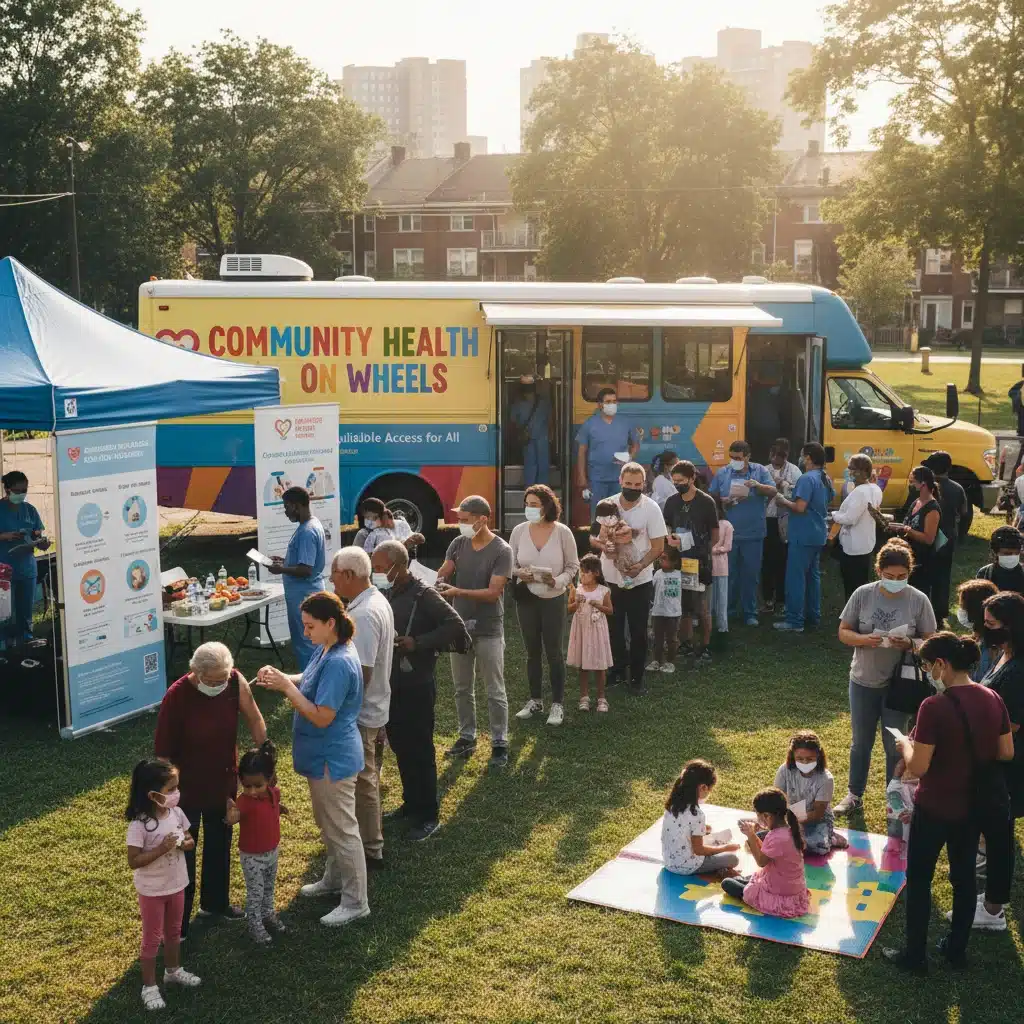
Public health interventions must be designed with an equity lens, ensuring that resources and services reach those who need them most. This involves authentic community engagement, understanding the unique needs and challenges of diverse populations, and co-creating solutions. Investment in community health workers, culturally competent care, and programs that address the root causes of health disparities are essential. Furthermore, public health agencies must advocate for policies that promote health equity across all sectors. A truly resilient public health system is one that protects the health of all its members, especially the most vulnerable, thereby strengthening the health of the entire population. Ignoring these disparities means leaving significant segments of the population vulnerable, which in turn weakens the overall capacity for collective health protection and recovery.
Lesson 5: Strengthen Global Health Security and International Collaboration
In an interconnected world, a threat anywhere is a threat everywhere. The pandemic underscored the critical importance of global health security and robust international collaboration. No nation can effectively combat a global health crisis in isolation. Enhancing US Public Health Resilience therefore requires a renewed commitment to international partnerships, information sharing, and coordinated response efforts. This includes supporting global surveillance networks, investing in global health initiatives, and participating actively in international health organizations like the World Health Organization (WHO).
The US must play a leading role in strengthening global capacities for disease detection, prevention, and response, particularly in low- and middle-income countries. This not only fulfills a humanitarian imperative but also serves the national interest by reducing the risk of novel pathogens emerging and spreading globally. Building trust and fostering diplomatic relationships in the health sector are paramount. This involves sharing scientific expertise, resources, and best practices, as well as working collaboratively on vaccine and therapeutic development and distribution. A resilient US public health system is inextricably linked to a resilient global public health system, recognizing that our health and security are intertwined with the health and security of nations worldwide.
Lesson 6: Enhance Preparedness for Future Health Threats, Including Non-Pandemic Scenarios
While the recent crisis was a pandemic, future health threats could take many forms, including bioterrorism, environmental disasters, antimicrobial resistance, and the impacts of climate change. A truly resilient US Public Health Resilience strategy must encompass an all-hazards approach to preparedness. This means developing comprehensive plans and capabilities for a wide range of scenarios, not just the most recent one. Regular drills, simulations, and tabletop exercises are crucial for testing these plans and identifying areas for improvement.
Investment in laboratory capacity, supply chain resilience for essential medical countermeasures, and healthcare system surge capacity are vital components of this preparedness. This includes ensuring adequate stockpiles of personal protective equipment (PPE), ventilators, and other critical supplies, as well as robust mechanisms for rapid procurement and distribution. Furthermore, integrating public health preparedness with emergency management and other sectors is essential for a coordinated response. This holistic approach ensures that the nation is not caught off guard by the next health emergency, whatever its nature, and can respond effectively and efficiently, minimizing morbidity and mortality. Preparedness is not a one-time event but an ongoing cycle of planning, training, evaluating, and adapting.
Lesson 7: Foster Innovation and Research in Public Health
The rapid development of vaccines and therapeutics during the pandemic showcased the power of scientific innovation. To build enduring US Public Health Resilience, sustained investment in public health research and development is paramount. This includes basic scientific research into pathogens and disease mechanisms, as well as applied research into public health interventions, communication strategies, and health systems effectiveness. Fostering a culture of innovation within public health agencies, encouraging experimentation, and leveraging emerging technologies like artificial intelligence and genomics will be critical.
Collaboration between academia, industry, and government agencies is essential to accelerate discovery and translate research findings into actionable public health practice. This also involves creating agile regulatory pathways that can adapt to emergencies without compromising safety and efficacy. Furthermore, investing in public health surveillance technologies that can detect novel threats early and monitor disease trends in real-time is crucial. A forward-looking public health system embraces scientific advancement, continuously seeking new and better ways to protect and promote health. This commitment to innovation ensures that our tools and strategies remain cutting-edge and effective against an ever-evolving landscape of health challenges.
Conclusion: A Path Forward for Strengthened US Public Health Resilience
The journey to enhanced US Public Health Resilience beyond 2025 is not a sprint but a long-term commitment. It requires sustained political will, robust financial investment, and a collective dedication to learning from the past. The seven lessons outlined above – from foundational funding and workforce development to data modernization, effective communication, health equity, global collaboration, all-hazards preparedness, and fostering innovation – provide a comprehensive framework for action. Each lesson represents a critical pillar in building a public health system that is not only capable of responding to the next crisis but also actively working to prevent disease, promote health, and reduce disparities on an ongoing basis.
Achieving this level of resilience will require unprecedented collaboration across all levels of government, the private sector, academic institutions, and communities. It demands a proactive rather than reactive stance, a focus on equity, and a willingness to embrace continuous adaptation. By integrating these lessons into policy, practice, and investment, the United States can forge a public health system that is truly robust, equitable, and capable of safeguarding the health and well-being of all its people, now and for generations to come. The future of US Public Health Resilience hinges on our ability to act decisively on these insights, transforming challenges into opportunities for growth and lasting change.