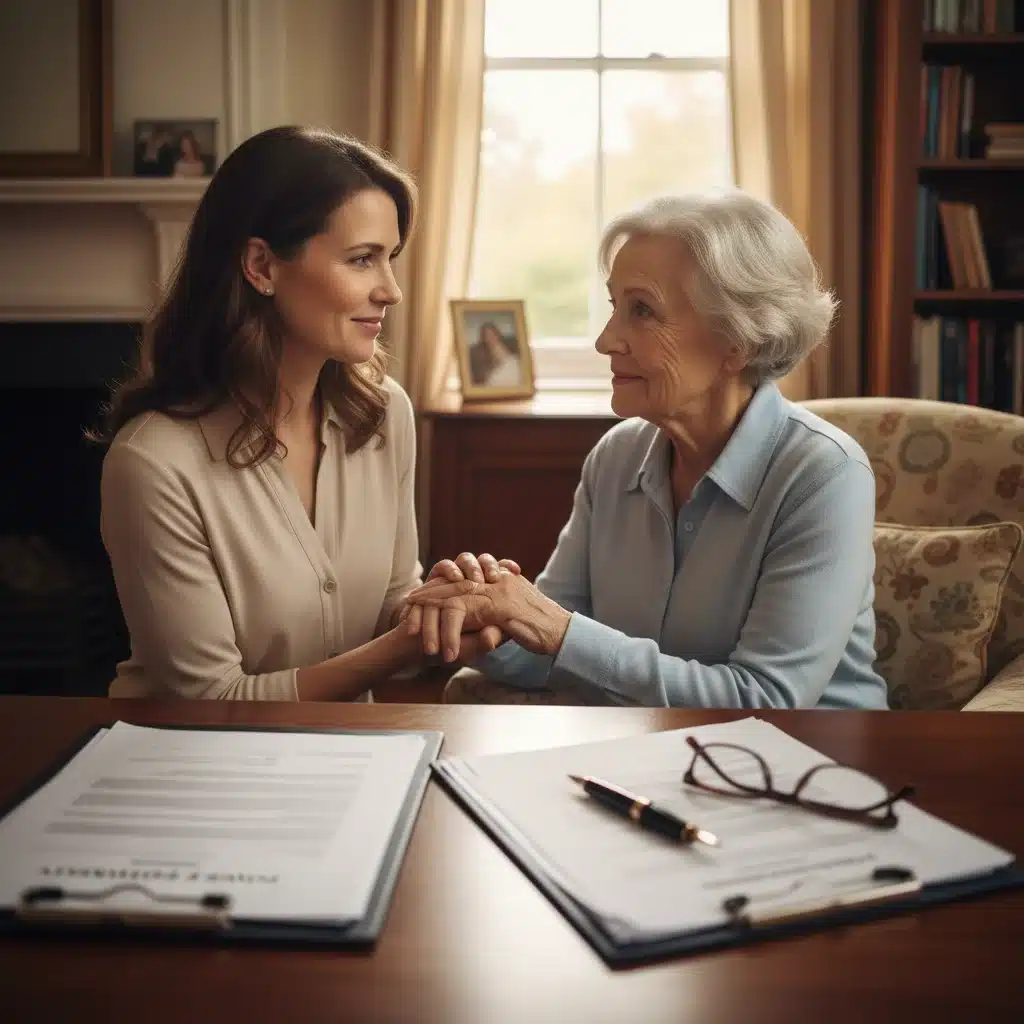
In the evolving landscape of elder care and personal financial management, the role of a caregiver has become increasingly complex and demanding. Beyond the emotional and physical commitments, caregivers often find themselves navigating a labyrinth of legal and financial responsibilities for their loved ones. This is where the concept of Caregiver Legal Protections, particularly through a well-structured Power of Attorney (POA), becomes not just beneficial, but absolutely essential. As we look towards 2026, understanding the nuances of POA and its implications for caregivers is paramount.
The purpose of this comprehensive guide is to demystify the Power of Attorney in the context of caregiving, highlighting its critical role in safeguarding both the care recipient’s interests and the caregiver’s ability to act effectively. We will explore the different types of POA, their specific applications, the legal framework surrounding them, and crucial considerations for caregivers in 2026. Whether you are an existing caregiver, anticipating this role, or a legal professional advising families, this article aims to provide clarity and actionable insights into leveraging POA for robust Caregiver Legal Protections.
The journey of caregiving is often unforeseen and can present numerous challenges. Without proper legal instruments like a Power of Attorney, caregivers may face significant hurdles in making critical decisions regarding healthcare, finances, and daily living for their loved ones. These hurdles can range from bureaucratic delays to outright inability to access necessary information or services, leading to increased stress, financial strain, and compromised care. Therefore, understanding and implementing effective Caregiver Legal Protections is not merely a formality; it is a fundamental aspect of responsible and compassionate care.
Understanding Power of Attorney (POA): A Foundation for Caregiver Legal Protections
At its core, a Power of Attorney is a legal document that grants one person (the ‘agent’ or ‘attorney-in-fact’) the authority to act on behalf of another person (the ‘principal’) in specified matters. This authority can be broad or limited, and it can take effect immediately or upon the occurrence of a specific event, such as the principal’s incapacitation. For caregivers, a POA is the cornerstone of their legal ability to manage the affairs of their loved one, ensuring continuity of care and protection of assets.
Types of Power of Attorney Relevant to Caregivers
Not all POAs are created equal, and understanding the distinctions is crucial for effective Caregiver Legal Protections. The main types include:
- General Power of Attorney: This grants broad authority to the agent to act on behalf of the principal in all matters, including financial, business, and legal decisions. It typically becomes effective immediately upon signing and remains in effect as long as the principal is competent. However, it often terminates if the principal becomes incapacitated, which can be a significant limitation for caregivers.
- Durable Power of Attorney: This is arguably the most important type of POA for caregivers. A Durable POA remains in effect even if the principal becomes incapacitated. This continuous authority is vital for caregivers who need to manage their loved one’s affairs when they are no longer able to do so themselves. Durable POAs can be either general or specific, covering financial matters, healthcare, or both.
- Special or Limited Power of Attorney: This grants the agent authority to act on behalf of the principal only in specific matters or for a limited period. For example, a principal might grant a caregiver a Special POA to sell a particular property or manage a specific investment account while they are traveling.
- Springing Power of Attorney: This type of POA becomes effective only upon the occurrence of a specific event, usually the principal’s incapacitation. The document will typically define what constitutes incapacitation and how it is to be determined (e.g., certification by one or more physicians). While it offers a degree of control to the principal, it can sometimes lead to delays in decision-making if the triggering event is not clearly defined or easily verifiable.
- Durable Power of Attorney for Healthcare (Healthcare Proxy/Medical Power of Attorney): This specific type of POA grants the agent (often called a ‘healthcare agent’ or ‘proxy’) the authority to make medical decisions on behalf of the principal if they are unable to do so themselves. It is distinct from a financial POA and is crucial for caregivers to ensure their loved one’s wishes regarding medical treatment, life support, and end-of-life care are respected.
- Durable Power of Attorney for Finances: This grants the agent the authority to manage the principal’s financial affairs, including banking, investments, paying bills, and managing property. This is vital for caregivers who need to handle the daily financial responsibilities of a loved one who is no longer capable.
For robust Caregiver Legal Protections, a combination of a Durable Power of Attorney for Finances and a Durable Power of Attorney for Healthcare is often recommended. These documents empower caregivers to act in the best interests of their loved ones across both financial and medical domains, providing a comprehensive safety net.
The Critical Need for POA in Caregiving: Why 2026 Demands Proactive Planning
The demographic shift towards an aging population, coupled with advancements in medical science leading to longer lifespans, means that more individuals will require caregiving assistance. This trend underscores the increasing importance of proactive legal planning, particularly concerning Power of Attorney. By 2026, the absence of a properly executed POA could lead to significant legal, financial, and emotional distress for families.
Preventing Guardianship and Conservatorship Proceedings
One of the most compelling reasons for establishing a POA is to avoid the need for a court-appointed guardianship (for personal decisions) or conservatorship (for financial decisions). If an individual becomes incapacitated without a valid POA, family members may have no legal authority to make decisions on their behalf. This often necessitates a lengthy, costly, and public court process to appoint a guardian or conservator. These proceedings can be emotionally taxing, divisive among family members, and may result in a court appointing someone other than the preferred caregiver, potentially undermining the care recipient’s wishes. A well-drafted POA, therefore, serves as a powerful preventative measure, ensuring that the principal’s chosen agent can seamlessly step into the decision-making role, providing essential Caregiver Legal Protections.
Ensuring Seamless Financial Management
Caregivers often need to manage daily finances, pay bills, handle insurance claims, and access bank accounts for their loved ones. Without a financial POA, these tasks can become impossible. Banks and financial institutions are legally prohibited from discussing a client’s accounts with anyone other than the account holder, even close family members, unless there is proper legal authorization. This can lead to missed payments, late fees, lapsed insurance policies, and even foreclosure, severely impacting the care recipient’s financial stability and well-being. A financial POA provides the necessary legal authority, allowing caregivers to maintain financial stability and prevent crises, which is a cornerstone of effective Caregiver Legal Protections.

Furthermore, a financial POA can grant specific powers related to real estate transactions, investment management, and tax filings, offering comprehensive control over the principal’s assets. This level of authority is critical for caregivers managing complex financial portfolios or needing to make significant financial decisions, such as selling a property to fund long-term care.
Facilitating Healthcare Decisions
When a loved one becomes unable to communicate their medical wishes, a healthcare POA (or healthcare proxy) becomes invaluable. This document empowers the designated caregiver to make informed medical decisions in accordance with the principal’s previously expressed wishes and best interests. Without it, medical professionals may be unsure who has the authority to make decisions, leading to delays in treatment or decisions being made by a court. This can be particularly distressing during medical emergencies or end-of-life care. The healthcare POA ensures that the caregiver can advocate effectively for their loved one, ensuring their medical care aligns with their values and preferences, thus providing crucial Caregiver Legal Protections in the most sensitive of circumstances.
Key Considerations for Caregivers and Power of Attorney in 2026
As we move into 2026, several factors warrant particular attention when establishing or reviewing a Power of Attorney for caregiving purposes. The legal landscape is dynamic, and staying informed is key to ensuring the document remains effective and robust.
Choosing the Right Agent
Selecting an agent is perhaps the most critical decision when drafting a POA. The agent must be someone trustworthy, responsible, and capable of handling the complex financial and/or medical decisions that may arise. They should have a clear understanding of the principal’s wishes, values, and financial situation. It’s also wise to name successor agents in case the primary agent is unable or unwilling to serve. Open communication with the chosen agent about the responsibilities involved is essential to ensure they are prepared for the role.
Specificity and Scope of Authority
The POA document should be as specific as possible regarding the powers granted to the agent. Broad language can sometimes be challenged or misinterpreted. For example, if the principal wishes for the agent to have the authority to make gifts, this specific power must be explicitly stated, as general authority to manage finances might not be interpreted to include gifting. Similarly, for healthcare, specific instructions regarding life-sustaining treatment, organ donation, or palliative care can guide the healthcare agent, strengthening Caregiver Legal Protections.
State-Specific Regulations
Power of Attorney laws vary significantly from state to state. What is valid in one state might not be fully recognized or might have different implications in another. Caregivers and principals should consult with an attorney knowledgeable in elder law and estate planning in their specific jurisdiction to ensure the POA document complies with all local requirements. This includes proper execution (witnesses, notarization) and understanding any limitations or special provisions under state law. Given the increasing mobility of the elderly, considering potential interstate issues is also becoming more important for robust Caregiver Legal Protections.
Review and Update Regularly
A Power of Attorney is not a ‘set it and forget it’ document. Life circumstances change, relationships evolve, and laws can be updated. It is advisable to review and update POA documents every few years, or whenever there is a significant life event (e.g., marriage, divorce, death of an agent, major health diagnosis). This ensures the document accurately reflects the principal’s current wishes and remains legally sound. An outdated POA can be as problematic as having no POA at all.
Integration with Other Estate Planning Documents
A Power of Attorney should not exist in isolation. It is a vital component of a comprehensive estate plan, which may also include a Will, Living Trust, and Advance Directives. Ensuring these documents are consistent and complementary is crucial to avoid conflicts and ambiguities. For instance, the healthcare directives in a POA should align with any separate living will. This holistic approach strengthens overall Caregiver Legal Protections and ensures a coordinated approach to the principal’s future care.
Challenges and Pitfalls for Caregivers with POA
While a Power of Attorney offers significant advantages, caregivers should also be aware of potential challenges and pitfalls. Proactive understanding can help mitigate these risks.
Potential for Abuse or Misuse
Granting broad authority to an agent carries the inherent risk of abuse or misuse of power. While the vast majority of agents act with integrity, instances of financial exploitation or other forms of abuse can occur. Principals should choose their agent very carefully and consider safeguards such as requiring regular financial reporting or involving a trusted third party for oversight. Laws and financial institutions are becoming more vigilant in detecting and preventing elder financial abuse, but vigilance from all parties is essential. This highlights the importance of the initial choice of agent in securing Caregiver Legal Protections.
Challenges with Financial Institutions and Healthcare Providers
Despite having a valid POA, caregivers sometimes encounter resistance from financial institutions or healthcare providers who are unfamiliar with the document or have their own internal policies. This can lead to delays and frustration. Caregivers should be prepared to provide certified copies of the POA and, if necessary, advocate firmly for their legal authority. Some institutions may require their own specific forms or have additional verification processes. Knowing these potential hurdles beforehand can save significant stress and ensure timely action, reinforcing the need for clear Caregiver Legal Protections.
Family Disputes
Even with a valid POA, disagreements among family members can arise, particularly if some family members feel left out of the decision-making process or disagree with the agent’s actions. Open communication among family members early in the planning process can help prevent such disputes. Clearly articulating the principal’s wishes and the reasons for choosing a particular agent can foster understanding and cooperation, thereby strengthening the framework of Caregiver Legal Protections.
Revocation and Termination
A principal can revoke a Power of Attorney at any time, as long as they are mentally competent. The revocation must be in writing and ideally delivered to the agent and any institutions that have been informed of the POA. A POA also typically terminates upon the death of the principal. Understanding these conditions is important for both the principal and the agent to ensure the legal authority is always current and valid.
The Future of Caregiver Legal Protections: Trends and Innovations in 2026
The legal and technological landscapes are continuously evolving, and 2026 is likely to see further advancements that impact Power of Attorney and Caregiver Legal Protections. Here are some trends to watch:
Digital POAs and Electronic Signatures
The increasing acceptance of electronic signatures and digital documents may streamline the creation and execution of POAs. While legal requirements for notarization and witnessing often still necessitate physical presence, digital platforms could make the process more efficient and accessible, especially for individuals with mobility challenges. However, ensuring the security and authenticity of digital POAs will be a key area of focus for legal systems.
Enhanced Education and Awareness
There is a growing recognition of the need for greater public awareness regarding legal planning for aging and caregiving. Educational initiatives from legal aid organizations, government agencies, and elder care advocacy groups are likely to expand, helping more families understand the importance of documents like POA. This increased awareness will empower caregivers with better knowledge of their Caregiver Legal Protections.
Standardization Efforts
While state laws vary, there may be increasing efforts towards greater standardization or reciprocity agreements between states regarding POA documents. This would simplify matters for families who move or have properties in multiple states, reducing the complexity currently faced by many caregivers.
Integration with Care Management Platforms
As caregiving becomes more technologically integrated, we may see POAs linked with comprehensive care management platforms. These platforms could securely store legal documents, share relevant information with authorized parties (e.g., healthcare providers, financial advisors), and provide tools for agents to manage their responsibilities more efficiently. This seamless integration could significantly enhance the practical application of Caregiver Legal Protections.
Practical Steps for Caregivers to Secure Legal Protections
For caregivers looking to establish or review a Power of Attorney, here are practical steps to ensure robust Caregiver Legal Protections:
- Initiate the Conversation Early: Discuss the need for a POA with your loved one while they are still mentally competent. This allows them to make informed decisions about who they want to appoint and what powers they wish to grant.
- Consult an Elder Law Attorney: This is perhaps the most crucial step. An attorney specializing in elder law can provide tailored advice, draft a legally sound POA document compliant with state laws, and help navigate complex family dynamics.
- Understand the Document: Both the principal and the agent should fully understand the terms, scope, and implications of the POA. Ask questions and clarify any ambiguities with the attorney.
- Keep it Accessible and Secure: Store the original POA in a secure, yet accessible, location. Provide certified copies to the agent, alternate agents, relevant financial institutions, and healthcare providers. Inform key family members about the existence and location of the document.
- Communicate with All Parties: Ensure that the chosen agent, successor agents, and other close family members are aware of the POA and understand its purpose. Open communication can prevent misunderstandings and disputes down the line.
- Regular Review: As mentioned, review the POA periodically (every 2-3 years) or after any significant life event to ensure it remains current and effective.

By taking these proactive steps, caregivers can establish a strong legal foundation that supports their caregiving efforts, protects their loved one’s interests, and provides peace of mind. The Power of Attorney is a powerful tool for Caregiver Legal Protections, enabling effective and compassionate care for those who need it most.
Conclusion: Empowering Caregivers Through Legal Preparedness in 2026
The role of a caregiver is profoundly impactful, demanding immense dedication and often requiring significant personal sacrifice. In 2026, the importance of equipping caregivers with the necessary legal tools to perform their duties effectively cannot be overstated. A carefully considered and properly executed Power of Attorney stands as a cornerstone of these Caregiver Legal Protections, offering a clear legal pathway for managing financial and healthcare decisions when a loved one is no longer able to do so themselves.
By understanding the different types of POA, recognizing the critical need for proactive planning, and being aware of the key considerations and potential challenges, caregivers can navigate their responsibilities with greater confidence and competence. The legal framework provided by a robust POA not only protects the interests and wishes of the care recipient but also empowers the caregiver, reducing stress and enabling them to focus more fully on providing compassionate care.
As the population ages and the complexities of caregiving continue to grow, embracing legal preparedness through documents like the Power of Attorney will become an even more integral part of responsible family planning and elder care. For every caregiver, investing time and effort into securing these legal protections is an investment in the dignity, well-being, and future security of their loved ones.