Telehealth Caregiving Evolution 2026: The Future of Remote Support
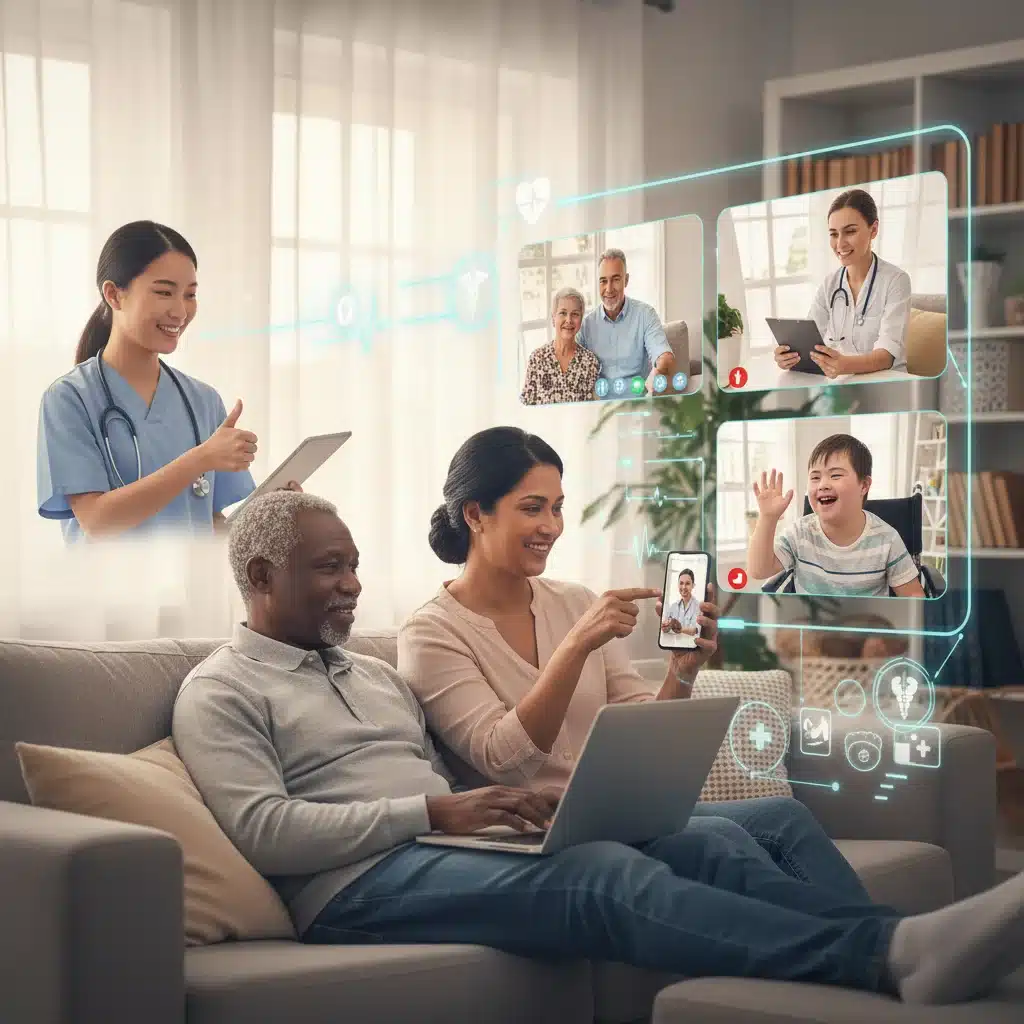
The Telehealth Caregiving Evolution: Pioneering Remote Support in 2026 and Beyond
The landscape of healthcare is undergoing a profound transformation, with technological advancements continually reshaping how care is delivered and received. At the heart of this revolution is the Telehealth Caregiving Evolution, a dynamic shift that is redefining support systems for individuals and families worldwide. As we look towards 2026 and the subsequent years, the integration of telehealth services into caregiving is not just a trend but a fundamental change, promising greater accessibility, efficiency, and personalized care. This comprehensive article delves into the intricate details of this evolution, exploring its current state, future potential, and the myriad ways it is set to enhance the lives of both caregivers and care recipients.
Caregiving, traditionally a hands-on and often physically demanding role, is being augmented by digital solutions that bridge geographical gaps and provide real-time support. The advent of telehealth has empowered caregivers, offering them tools and resources that were once unimaginable. From remote monitoring systems that track vital signs to virtual consultations that provide expert medical advice, the scope of telehealth in caregiving is broad and ever-expanding. This evolution is particularly crucial given the aging global population and the increasing demand for high-quality, accessible care. Understanding the nuances of the Telehealth Caregiving Evolution is essential for anyone involved in the healthcare sector, from policymakers and healthcare providers to caregivers and their families.
Understanding the Foundations of Telehealth Caregiving
Before diving into the future, it’s imperative to grasp what telehealth caregiving entails. Telehealth, broadly defined, encompasses a wide range of technologies and services that deliver healthcare at a distance. In the context of caregiving, this includes virtual doctor visits, remote patient monitoring (RPM), mobile health (mHealth) applications, and digital platforms for communication and coordination. The primary goal is to extend the reach of care, reduce the burden on traditional healthcare facilities, and empower individuals to manage their health more effectively from the comfort of their homes.
The initial adoption of telehealth was significantly accelerated by global events, which necessitated a rapid shift towards remote services. This period served as a crucial proving ground, demonstrating the viability and effectiveness of digital healthcare solutions. What began as a necessity has now blossomed into a preferred mode of care for many, driven by convenience, cost-effectiveness, and improved access to specialists. The Telehealth Caregiving Evolution is rooted in these foundational successes, building upon established technologies and continually innovating to meet emerging needs.
Key Components of Modern Telehealth Caregiving
- Virtual Consultations: Video calls with doctors, nurses, and specialists for routine check-ups, medication management, and symptom assessment.
- Remote Patient Monitoring (RPM): Devices that collect health data (e.g., blood pressure, glucose levels, heart rate) from individuals in their homes and transmit it to healthcare providers for review.
- Mobile Health (mHealth) Apps: Applications on smartphones and tablets that offer health tracking, medication reminders, educational content, and direct communication with care teams.
- Digital Care Platforms: Integrated systems that facilitate communication among caregivers, care recipients, and healthcare providers, enabling coordinated care plans and shared information.
- Tele-rehabilitation: Remote delivery of physical, occupational, and speech therapy sessions, often guided by virtual therapists.
These components collectively form the backbone of the Telehealth Caregiving Evolution, providing a multi-faceted approach to remote support. As technology advances, these elements are becoming more sophisticated, offering greater accuracy, ease of use, and personalization.
The Drivers of Telehealth Caregiving Evolution Towards 2026
Several significant factors are propelling the Telehealth Caregiving Evolution forward. Demographic shifts, technological breakthroughs, and policy changes are all playing pivotal roles in shaping the future of remote care. Understanding these drivers is key to anticipating the trajectory of telehealth in the coming years.
Aging Global Population
One of the most powerful drivers is the rapidly aging global population. As life expectancies increase, so does the prevalence of chronic conditions and age-related disabilities, leading to a greater demand for long-term care. Traditional care models are often strained by this demand, making telehealth an attractive and necessary alternative. It allows elderly individuals to age in place, maintaining their independence and quality of life while receiving essential support remotely. This demographic reality underscores the urgency and importance of the Telehealth Caregiving Evolution.
Technological Advancements
The relentless pace of technological innovation is another critical factor. Improvements in internet connectivity, the proliferation of smart devices, and advancements in artificial intelligence (AI) and machine learning (ML) are continuously enhancing telehealth capabilities. AI-powered diagnostic tools, predictive analytics for health risks, and sophisticated wearable sensors are making remote monitoring more effective and proactive. These innovations are not just incremental; they are fundamentally changing what is possible in remote care, driving the Telehealth Caregiving Evolution to new heights.
Policy and Regulatory Support
Governments and healthcare organizations worldwide are increasingly recognizing the value of telehealth. Policy changes, such as expanded insurance coverage for telehealth services and relaxed regulations regarding cross-state practice, are creating a more favorable environment for its adoption. Funding initiatives and grants for telehealth infrastructure are also contributing to its growth. This supportive regulatory landscape is crucial for scaling up telehealth solutions and making them accessible to a broader population, thereby accelerating the Telehealth Caregiving Evolution.
Increased Demand for Convenience and Accessibility
Modern consumers, including care recipients and their families, expect convenience and accessibility in all aspects of their lives, and healthcare is no exception. Telehealth offers the flexibility to receive care without the need for travel, reducing time off work, transportation costs, and exposure to contagious diseases. For individuals in rural areas or those with mobility limitations, telehealth provides access to specialists and services that might otherwise be out of reach. This consumer-driven demand for convenient and accessible care is a significant force behind the Telehealth Caregiving Evolution.
Benefits of the Telehealth Caregiving Evolution for 2026
The widespread adoption and continuous improvement of telehealth services are yielding numerous benefits for all stakeholders involved in the caregiving ecosystem. These advantages are not just theoretical; they are tangible improvements that enhance the quality of life and optimize healthcare delivery.
Enhanced Accessibility to Care
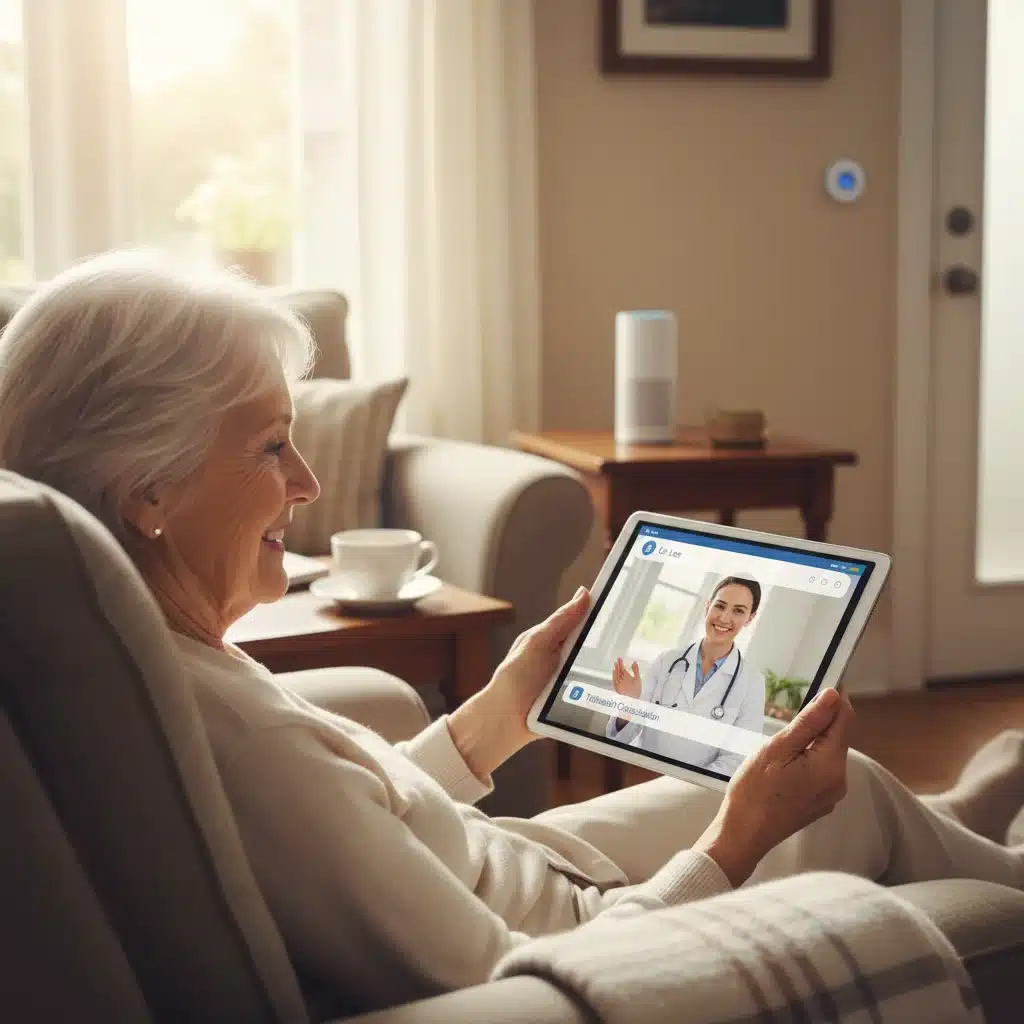
Perhaps the most significant benefit is the dramatic improvement in access to care. Telehealth breaks down geographical barriers, allowing individuals in remote or underserved areas to connect with specialists and receive timely medical attention. It also provides a lifeline for those with mobility challenges or chronic conditions that make in-person visits difficult. This enhanced accessibility is a cornerstone of the Telehealth Caregiving Evolution, ensuring that care is available to those who need it most, regardless of their location or physical limitations.
Improved Care Coordination and Communication
Caregiving often involves multiple individuals and healthcare providers, making coordination a complex task. Telehealth platforms streamline communication, allowing caregivers, family members, and medical professionals to share information, update care plans, and collaborate effectively in real-time. This integrated approach reduces misunderstandings, minimizes duplicate efforts, and ensures that care recipients receive consistent and holistic support. The Telehealth Caregiving Evolution fosters a more collaborative and efficient care environment.
Reduced Costs and Time Savings
For both care recipients and providers, telehealth can lead to significant cost savings. Patients save on transportation, parking, and time off work, while healthcare systems can reduce overheads associated with facility maintenance and administrative tasks. Preventative care and early interventions facilitated by remote monitoring can also decrease the need for expensive emergency room visits and hospitalizations. These economic efficiencies are a powerful incentive driving the Telehealth Caregiving Evolution.
Enhanced Caregiver Support and Reduced Burnout
Caregivers often face immense physical and emotional strain. Telehealth offers vital support by providing flexible options for respite care, virtual support groups, and easy access to professional advice. It can help caregivers manage their own health and well-being, reducing the risk of burnout. By empowering caregivers with better tools and resources, the Telehealth Caregiving Evolution contributes to a more sustainable and compassionate care system.
Personalized and Proactive Care
Remote patient monitoring and AI-driven analytics enable healthcare providers to collect and analyze vast amounts of data, leading to more personalized and proactive care. Trends in vital signs, activity levels, and medication adherence can be identified early, allowing for timely interventions before minor issues escalate into major health crises. This shift from reactive to proactive care is a hallmark of the Telehealth Caregiving Evolution, promising better health outcomes and an improved quality of life for care recipients.
Challenges and Considerations in the Telehealth Caregiving Evolution
While the benefits of telehealth caregiving are undeniable, its evolution is not without challenges. Addressing these hurdles is crucial for ensuring equitable access and effective implementation of remote care services.
Digital Divide and Equity
A significant concern is the digital divide, where certain populations lack access to reliable internet, necessary devices, or the digital literacy required to utilize telehealth services effectively. Elderly individuals, low-income communities, and those in rural areas are particularly vulnerable to this disparity. Bridging this gap through public policy, community programs, and accessible technology is paramount to ensuring that the Telehealth Caregiving Evolution benefits everyone.
Data Security and Privacy
The transmission and storage of sensitive health information via digital platforms raise concerns about data security and patient privacy. Robust cybersecurity measures, compliance with regulatory frameworks like HIPAA, and continuous vigilance are essential to protect patient data from breaches and misuse. Building trust in telehealth systems hinges on the ability to guarantee the confidentiality and integrity of personal health information.
Integration with Existing Healthcare Systems
Integrating new telehealth technologies with existing electronic health record (EHR) systems and traditional healthcare workflows can be complex. Interoperability issues, data silos, and resistance to change can hinder seamless adoption. Successful integration requires standardized protocols, collaborative efforts among technology providers and healthcare organizations, and comprehensive training for staff. The smooth integration is vital for the continued Telehealth Caregiving Evolution.
Training and Education for Caregivers and Recipients
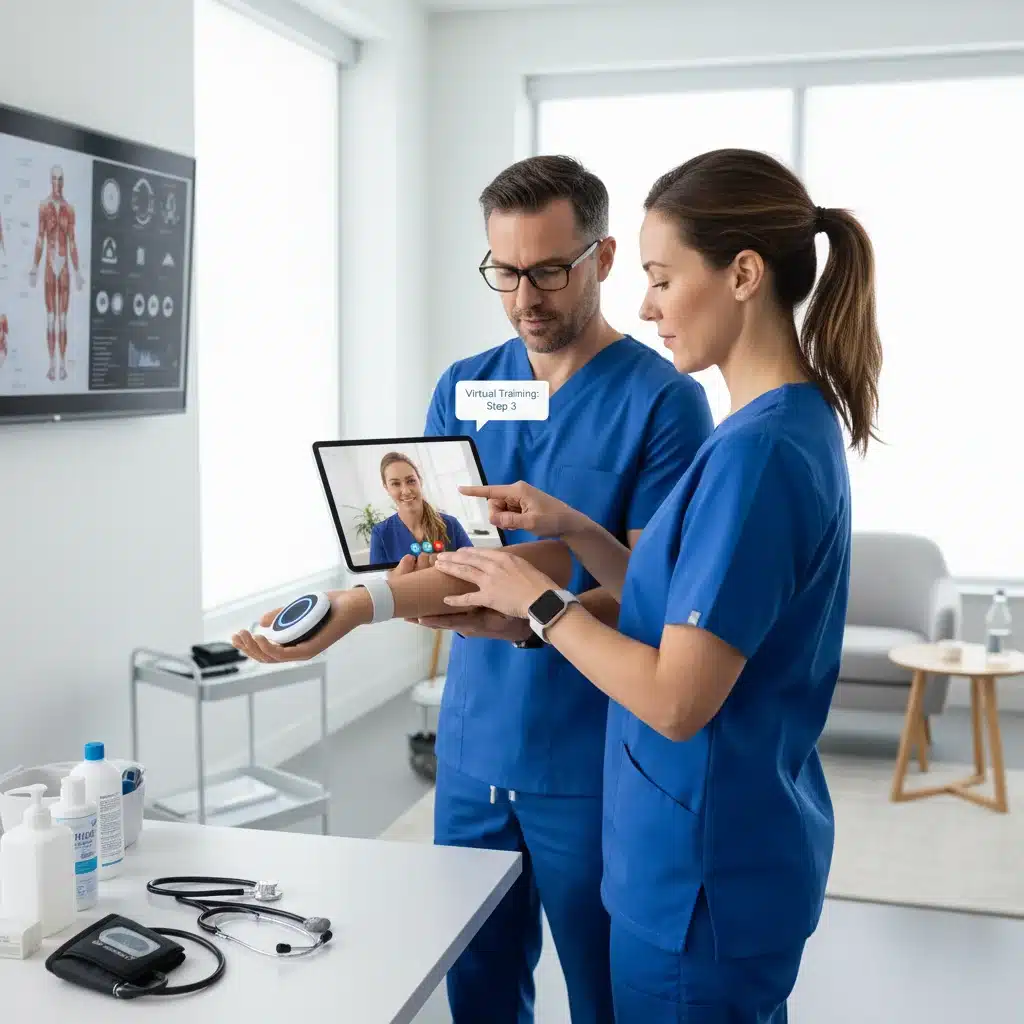
Both professional and informal caregivers, as well as care recipients, need adequate training and education to effectively use telehealth tools. This includes understanding how to operate devices, navigate platforms, and interpret health data. Educational programs that are user-friendly and accessible are necessary to empower individuals to fully leverage the benefits of telehealth. Investing in this education is a critical component of a successful Telehealth Caregiving Evolution.
The Future of Telehealth Caregiving: 2026 and Beyond
Looking ahead to 2026 and beyond, the Telehealth Caregiving Evolution is poised for even more transformative developments. Emerging technologies and innovative care models will further enhance the capabilities and reach of remote care.
Advanced AI and Machine Learning Integration
Artificial intelligence and machine learning will play an increasingly pivotal role. AI will move beyond simple data analysis to offer predictive insights into health deterioration, personalize treatment plans, and even assist with mental health support through AI chatbots. ML algorithms will continuously learn from patient data, refining diagnostic accuracy and optimizing intervention strategies. This deep integration of AI will make telehealth caregiving more intelligent, proactive, and responsive.
Virtual Reality (VR) and Augmented Reality (AR) in Care
VR and AR technologies are expected to revolutionize rehabilitation, pain management, and social engagement for care recipients. VR can create immersive environments for therapeutic exercises, while AR can overlay digital information onto the real world, assisting caregivers with complex tasks or guiding patients through medication routines. These immersive technologies will add a new dimension to the Telehealth Caregiving Evolution, making care more engaging and effective.
Hyper-Personalized Care Pathways
The future will see hyper-personalized care pathways, tailored to the unique genetic makeup, lifestyle, and preferences of each individual. Wearable sensors will become even more sophisticated, monitoring a wider array of biomarkers and providing continuous, real-time health insights. This data-driven approach will enable highly customized interventions and preventive strategies, solidifying the role of telehealth in delivering truly individualized care.
Expansion of Remote Monitoring to Chronic Disease Management
Remote patient monitoring will expand significantly to encompass a broader range of chronic diseases. Integrated platforms will manage conditions like diabetes, heart disease, and respiratory illnesses with greater precision, reducing hospital readmissions and improving long-term health outcomes. The continuous monitoring and immediate feedback mechanisms will empower patients to actively participate in their health management, a key aspect of the evolving Telehealth Caregiving Evolution.
Robotics and Automation in Home Care
While not strictly telehealth, the rise of robotics and automation in home care will complement telehealth services. Robotic assistants could help with daily tasks, medication reminders, and even provide companionship, freeing up human caregivers for more complex emotional and physical support. This synergy between robotics and telehealth will create a more comprehensive and efficient home care ecosystem, further driving the Telehealth Caregiving Evolution.
Global Interoperability and Cross-Border Care
As telehealth systems mature, there will be a greater push towards global interoperability, allowing for seamless data exchange and potentially cross-border care. This could enable individuals to access specialist opinions from anywhere in the world, fostering a truly globalized healthcare system. Standardized data formats and secure communication protocols will be crucial for achieving this vision, marking a significant milestone in the Telehealth Caregiving Evolution.
Implementing Telehealth Caregiving Solutions: Best Practices
For healthcare organizations and caregivers looking to embrace the Telehealth Caregiving Evolution, adopting best practices is essential for successful implementation and sustained impact.
Start with a Clear Strategy and Goals
Before deploying any telehealth solution, define clear objectives. What specific problems are you trying to solve? Who are the target users? What are the desired outcomes? A well-defined strategy ensures that resources are allocated effectively and that the chosen technologies align with the caregiving needs.
Prioritize User-Friendly Technology
The success of telehealth largely depends on its ease of use. Choose platforms and devices that are intuitive, accessible, and require minimal technical expertise. Provide clear instructions and ongoing support to both caregivers and care recipients to ensure comfortable adoption and utilization.
Ensure Robust Security and Compliance
Data security and patient privacy must be non-negotiable. Implement strong encryption, multi-factor authentication, and adhere to all relevant healthcare regulations (e.g., HIPAA, GDPR). Regularly audit systems for vulnerabilities and provide training on best practices for data protection.
Invest in Training and Ongoing Support
Comprehensive training programs are vital. This should include technical training on how to use devices and platforms, as well as guidance on best practices for virtual consultations and remote monitoring. Continuous support, through helplines or dedicated IT assistance, will help users overcome challenges and maximize the benefits of telehealth.
Foster Collaboration and Communication
Encourage an integrated approach where caregivers, family members, and healthcare providers communicate seamlessly. Utilize platforms that facilitate shared care plans, secure messaging, and easy access to patient data. This collaborative environment is central to the efficacy of the Telehealth Caregiving Evolution.
Evaluate and Adapt Regularly
Telehealth technology and best practices are constantly evolving. Regularly evaluate the effectiveness of implemented solutions, gather feedback from users, and be prepared to adapt and upgrade as new advancements emerge. Continuous improvement is key to staying at the forefront of the Telehealth Caregiving Evolution.
Conclusion: Embracing the Telehealth Caregiving Evolution
The Telehealth Caregiving Evolution is not merely a technological shift; it represents a fundamental rethinking of how care is delivered in the 21st century. By 2026, we can expect to see even more sophisticated, integrated, and personalized telehealth solutions that will profoundly impact the lives of millions. From enhancing accessibility and reducing costs to empowering caregivers and fostering proactive health management, the benefits are far-reaching and transformative.
While challenges related to the digital divide, data security, and integration remain, ongoing innovation, supportive policies, and a commitment to user-centric design will pave the way for a future where high-quality, compassionate care is accessible to all, regardless of their location or circumstances. Embracing this evolution is not just about adopting new tools; it’s about fostering a more connected, efficient, and humane caregiving ecosystem. The journey of the Telehealth Caregiving Evolution is well underway, promising a brighter, healthier future for care recipients and their dedicated caregivers.