Preventive Care US: A 2026 Public Health Imperative for Long-Term Wellness
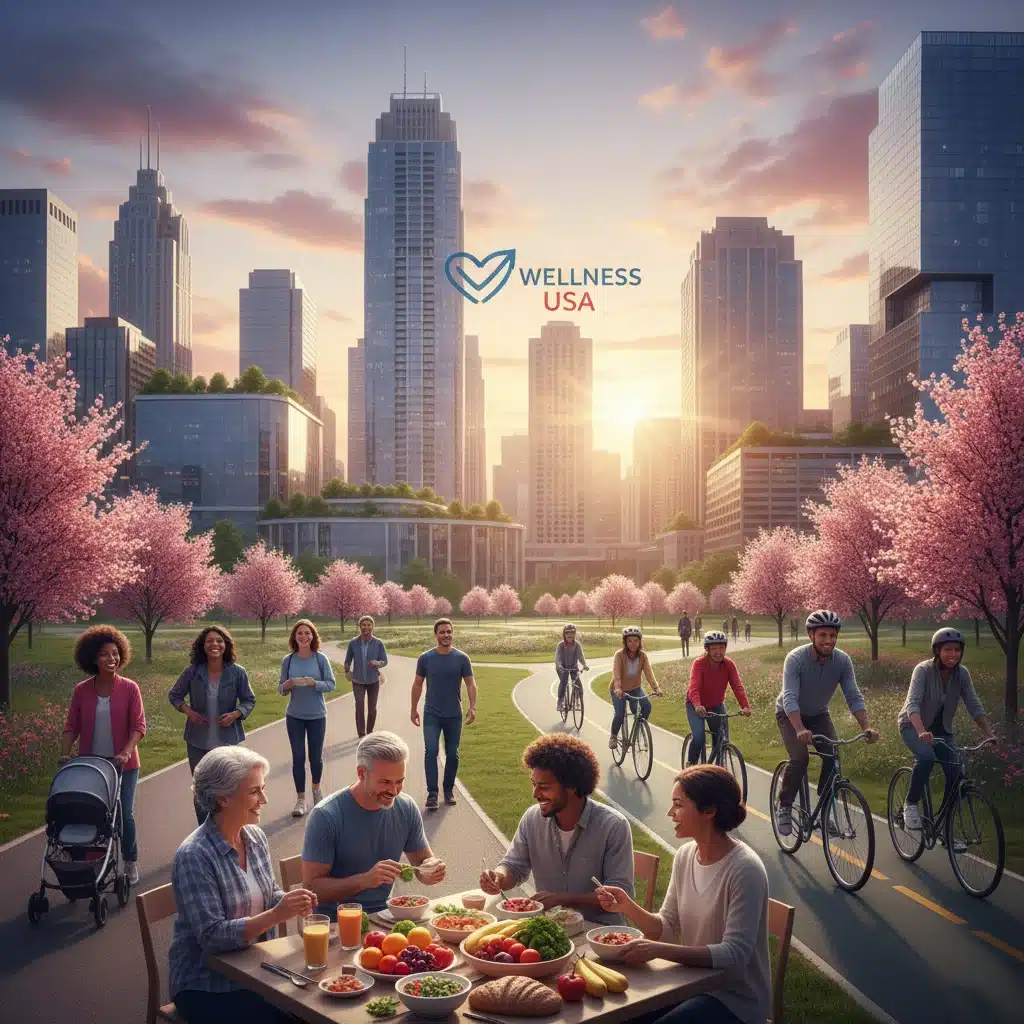
Preventive Care US: A 2026 Public Health Imperative for Long-Term Wellness
The year 2026 stands as a pivotal moment for the United States, presenting an urgent imperative to redefine and fortify its approach to public health, with a specific emphasis on Preventive Care US. As the nation grapples with an aging population, rising chronic disease rates, and escalating healthcare expenditures, the shift from reactive treatment to proactive prevention is not merely beneficial—it is essential for the long-term wellness and economic stability of the country. This comprehensive article delves into why preventive care is paramount, the current landscape, the challenges ahead, and actionable strategies to ensure a healthier future for all Americans.
The Unfolding Crisis: Why Preventive Care US is More Critical Than Ever
The United States consistently spends more on healthcare per capita than any other developed nation, yet lags in key health outcomes. A significant portion of this expenditure is directed towards managing chronic conditions such as heart disease, diabetes, obesity, and certain cancers—many of which are largely preventable. The Centers for Disease Control and Prevention (CDC) estimates that chronic diseases are the leading causes of death and disability in the US, accounting for 90% of the nation’s $4.1 trillion in annual healthcare costs. This unsustainable trajectory demands a radical re-evaluation of our healthcare priorities, placing Preventive Care US at the forefront.
By 2026, the demographic landscape of the US will continue to shift, with a larger proportion of older adults. While an extended lifespan is a testament to medical advancements, it also brings with it an increased prevalence of age-related chronic conditions. Without robust preventive strategies, this demographic shift will place an even greater strain on an already overburdened healthcare system. Investing in preventive care now means investing in a healthier, more productive workforce, reduced healthcare costs, and an improved quality of life for millions of Americans in the years to come.
The COVID-19 pandemic further underscored the vulnerabilities of a health system that often prioritizes acute care over long-term wellness. Individuals with underlying chronic conditions faced higher risks of severe illness and mortality. This stark reality highlighted the interconnectedness of individual health and public health resilience, solidifying the argument for a stronger, more accessible Preventive Care US framework.
Understanding the Current Landscape of Preventive Care in the US
Despite the recognized benefits, the implementation and accessibility of preventive care in the US remain uneven. While many insurance plans cover a range of preventive services—such as vaccinations, screenings for various diseases, and counseling for healthy behaviors—utilization rates often fall short of optimal levels. Several factors contribute to this gap, including:
- Lack of Awareness: Many individuals are unaware of the specific preventive services covered by their insurance or the importance of regular screenings.
- Access Barriers: Geographic, financial, and logistical barriers can prevent individuals from accessing preventive services, especially for underserved communities.
- Physician Shortages: A shortage of primary care physicians, particularly in rural areas, limits the availability of consistent preventive guidance.
- Focus on Sickness: The prevailing healthcare model often incentivizes treatment for illness rather than prevention of disease.
- Health Literacy: Low health literacy can hinder individuals’ ability to understand and act upon preventive health information.
Federal initiatives, such as the Affordable Care Act (ACA), have made significant strides in expanding access to preventive services without cost-sharing. However, policy alone is not enough. A multifaceted approach that addresses behavioral, social, and systemic factors is crucial for truly embedding Preventive Care US into the fabric of American society.
Key Pillars of a Robust Preventive Care US Strategy for 2026
To achieve a healthier nation by 2026 and beyond, a comprehensive strategy for Preventive Care US must be built upon several interconnected pillars:
1. Enhanced Public Health Education and Awareness Campaigns
Effective public health campaigns are fundamental to shifting societal attitudes towards health. These campaigns should:
- Promote Health Literacy: Educate the public on the importance of regular check-ups, screenings, and healthy lifestyle choices.
- Target Specific Populations: Develop culturally sensitive and linguistically appropriate messages for diverse communities.
- Leverage Digital Platforms: Utilize social media, mobile apps, and telehealth to disseminate information and engage individuals.
- Emphasize Long-Term Benefits: Highlight the personal and societal advantages of preventive measures, including improved quality of life, increased productivity, and reduced financial burden.
2. Integrating Preventive Services into Everyday Life
Preventive Care US should not be seen as an isolated medical event but as an integral part of daily living. This includes:
- Workplace Wellness Programs: Encourage employers to offer comprehensive wellness programs, including health screenings, fitness challenges, and stress management resources.
- School-Based Health Initiatives: Implement robust health education and physical activity programs in schools, fostering healthy habits from a young age.
- Community Health Centers: Strengthen the role of community health centers as accessible hubs for preventive services, vaccinations, and health counseling.
- Pharmacist-Led Interventions: Expand the scope of pharmacists to provide preventive services, such as immunizations, blood pressure screenings, and medication management.
3. Policy and Legislative Support for Preventive Care US
Sustainable change requires supportive policies and legislation. Key areas include:
- Incentivizing Preventive Care: Explore financial incentives for both providers and patients to prioritize preventive services.
- Expanding Coverage: Ensure that all Americans have access to a comprehensive package of preventive services, regardless of their insurance status or socioeconomic background.
- Investing in Public Health Infrastructure: Allocate sufficient funding to state and local public health departments to strengthen their capacity for disease surveillance, health promotion, and community outreach.
- Addressing Social Determinants of Health: Implement policies that tackle underlying factors influencing health, such as access to nutritious food, safe housing, education, and economic stability.

4. Leveraging Technology and Data Analytics
Technology offers unprecedented opportunities to advance Preventive Care US:
- Telehealth and Remote Monitoring: Utilize telehealth for preventive counseling, chronic disease management, and remote monitoring of health metrics, especially for individuals in rural or underserved areas.
- Artificial Intelligence (AI) and Predictive Analytics: Employ AI to identify individuals at high risk for chronic diseases, allowing for targeted interventions and personalized prevention plans.
- Electronic Health Records (EHRs): Optimize EHRs to track preventive service utilization, identify gaps in care, and generate reminders for patients and providers.
- Wearable Technology: Encourage the use of wearable devices to monitor physical activity, sleep patterns, and other health indicators, empowering individuals to take an active role in their health.
5. Fostering a Culture of Wellness and Personal Responsibility
Ultimately, a robust Preventive Care US system depends on a collective commitment to wellness. This involves:
- Empowering Individuals: Provide individuals with the knowledge, tools, and resources to make informed decisions about their health.
- Promoting Healthy Lifestyles: Encourage regular physical activity, balanced nutrition, adequate sleep, and stress management techniques.
- Building Supportive Environments: Create communities that support healthy choices, with access to parks, healthy food options, and safe environments for physical activity.
- Addressing Mental Health: Recognize the integral link between mental and physical health, integrating mental health screenings and support into preventive care.
Economic Benefits of Prioritizing Preventive Care US
The argument for investing in Preventive Care US extends beyond improved health outcomes; it also makes strong economic sense. The economic burden of chronic diseases is staggering, encompassing direct medical costs, lost productivity due to illness, and premature mortality. By preventing or delaying the onset of these conditions, the nation can realize substantial savings.
Studies have consistently shown a positive return on investment for many preventive interventions. For example, vaccinations not only prevent disease but also save billions in averted healthcare costs. Screenings for conditions like colorectal cancer, when detected early, lead to more effective and less costly treatments. Similarly, investments in programs that promote physical activity and healthy eating can reduce rates of obesity and related conditions, alleviating pressure on the healthcare system.
Furthermore, a healthier population is a more productive population. Individuals who are free from chronic illness are more likely to be actively engaged in the workforce, contribute to the economy, and enjoy a higher quality of life. This ripple effect of improved health translates into a more resilient and prosperous nation. The 2026 deadline serves as a critical juncture to solidify these economic advantages through strategic investments in Preventive Care US.
Challenges and Roadblocks to Effective Preventive Care US
While the benefits of Preventive Care US are clear, significant challenges must be addressed to achieve widespread implementation and equitable access:
1. Health Equity and Disparities
Socioeconomic status, race, ethnicity, and geographic location significantly impact access to and utilization of preventive services. Underserved communities often face greater barriers, leading to poorer health outcomes. Addressing these disparities requires targeted interventions, culturally competent care, and policies that promote health equity.
2. Fragmentation of the Healthcare System
The US healthcare system is highly fragmented, with often poor coordination between primary care, specialty care, and public health initiatives. This fragmentation can hinder the seamless delivery of preventive services and follow-up care. Greater integration and collaboration across different sectors are essential.
3. Funding and Reimbursement Models
Current funding and reimbursement models often prioritize acute care over preventive services. Shifting this paradigm requires innovative financing mechanisms that incentivize prevention and reward positive health outcomes rather than just the volume of services provided.
4. Behavioral and Lifestyle Factors
Changing long-standing behaviors and lifestyle choices is inherently challenging. Factors such as unhealthy diets, sedentary lifestyles, tobacco use, and excessive alcohol consumption contribute significantly to chronic disease. Effective preventive care must include robust behavioral health interventions and support systems.
5. Data Collection and Utilization
While technology offers opportunities, challenges remain in collecting comprehensive, standardized health data and effectively utilizing it to inform preventive strategies. Robust data infrastructure and analytical capabilities are crucial for identifying trends, evaluating program effectiveness, and targeting interventions.
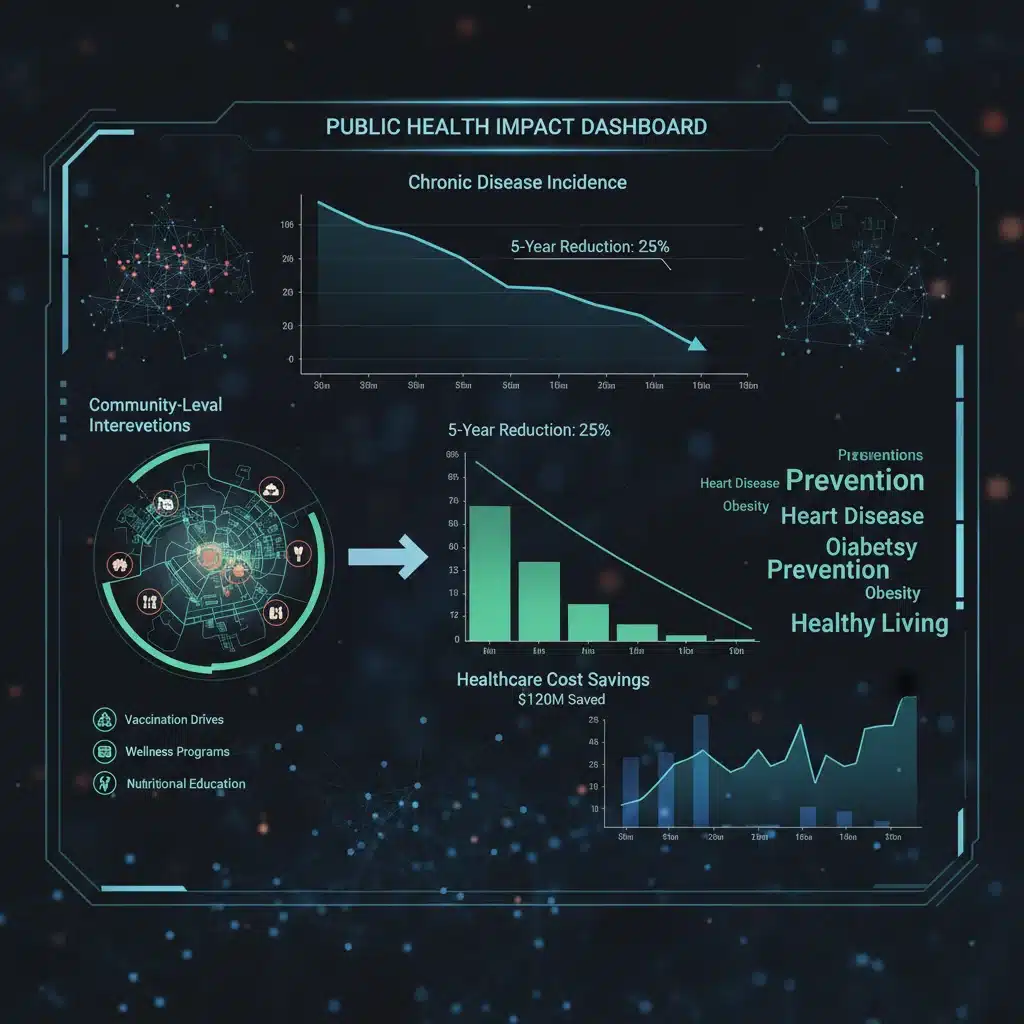
The Path Forward: Achieving a Healthier 2026 and Beyond
Achieving a truly effective Preventive Care US system by 2026 requires a concerted, multi-sector effort. This involves collaboration among:
- Government Agencies: Federal, state, and local governments must enact supportive policies, allocate resources, and lead public health initiatives.
- Healthcare Providers: Physicians, nurses, and other healthcare professionals must integrate preventive counseling and screenings into routine care.
- Insurance Companies: Insurers should continue to expand coverage for preventive services and explore innovative payment models that reward prevention.
- Employers: Businesses have a vital role in promoting employee wellness through workplace programs and supportive policies.
- Educational Institutions: Schools and universities can foster health literacy and encourage healthy habits from a young age.
- Community Organizations: Local organizations are crucial for delivering culturally relevant health programs and reaching underserved populations.
- Individuals: Ultimately, personal responsibility and engagement in one’s own health are foundational to the success of preventive care efforts.
A key focus for the coming years must be on primary prevention—preventing disease before it even starts. This includes widespread immunization programs, promoting healthy diets and physical activity, discouraging tobacco and excessive alcohol use, and ensuring access to clean air and water. Secondary prevention, which involves early detection and prompt treatment of diseases, is also critical through regular screenings and check-ups.
Furthermore, investing in the public health workforce is paramount. Adequately trained and supported public health professionals are essential for surveillance, outbreak response, health education, and community engagement—all critical components of a robust preventive care infrastructure. By 2026, we should aim for a significant increase in the number of public health workers, especially in areas with critical shortages.
Conclusion: A Call to Action for Preventive Care US
The year 2026 is not just a date on the calendar; it represents a critical opportunity for the United States to commit unequivocally to a future of health and wellness through enhanced Preventive Care US. The current trajectory of healthcare spending and chronic disease prevalence is unsustainable. By shifting our focus from treating sickness to preventing it, we can achieve not only better health outcomes for individuals but also greater economic stability and a more resilient society.
This imperative demands a collective effort—from policymakers and healthcare providers to employers, educators, and individual citizens. It requires innovative strategies, equitable access, and a sustained commitment to fostering a culture of health. The benefits of such an investment are profound: longer, healthier lives for millions, reduced healthcare costs, and a more vibrant, productive nation. Let us seize this moment to build a healthier America for 2026 and for generations to come, truly making preventive care the cornerstone of our national health strategy.