National Caregiver Support: Top Organizations 2026 U.S. Guide

Comparison of National Caregiver Support Organizations: Which U.S. Resources Offer the Best Help in 2026?
Caregiving is a profound act of love and dedication, yet it often comes with immense challenges, both emotional and practical. In the United States, millions of individuals serve as unpaid family caregivers, providing essential support to loved ones facing illness, disability, or old age. As we look towards 2026, the landscape of resources available to these unsung heroes continues to evolve. Understanding which national caregiver support organizations offer the most comprehensive and effective assistance is crucial for caregivers seeking guidance, relief, and community.
This comprehensive guide delves into a detailed comparison of prominent national caregiver support organizations, evaluating their services, reach, and unique strengths. Our goal is to equip caregivers with the knowledge needed to navigate the complex world of support services and identify the best fit for their specific needs. From respite care to legal advice, emotional counseling to financial planning, these organizations play a vital role in sustaining the well-being of both caregivers and care recipients.
The Growing Need for Robust Caregiver Support Organizations
The demographic shifts in the U.S., particularly the aging population, mean that the demand for family caregivers is only set to increase. The responsibilities can be overwhelming, leading to caregiver burnout, financial strain, and social isolation. National caregiver support organizations serve as lifelines, offering a structured approach to address these multifaceted challenges. They provide not just practical tools but also a sense of belonging and validation, reminding caregivers that they are not alone.
In 2026, the emphasis on integrated care and holistic support is more pronounced than ever. Caregivers require access to a wide array of services that can adapt to their unique circumstances, whether they are caring for someone with Alzheimer’s, a child with special needs, or a veteran with complex health issues. The best national caregiver support organizations are those that demonstrate flexibility, innovation, and a deep understanding of the caregiver experience.
Key Criteria for Evaluating Caregiver Support Organizations
When assessing national caregiver support organizations, several key criteria come into play. These factors help determine the effectiveness and suitability of an organization’s offerings:
- Scope of Services: Do they offer a broad range of services, including information, education, emotional support, legal guidance, financial planning, and respite care?
- Accessibility: Are their resources easily accessible to caregivers across different geographical regions, including rural areas? Do they offer online, phone, and in-person options?
- Specialization: Do they cater to specific caregiving situations (e.g., dementia care, pediatric care, military caregivers), or do they provide general support?
- Reputation and Trustworthiness: What is their track record? Are they well-regarded by caregivers and professionals in the field?
- Cost and Funding: Are their services free, low-cost, or covered by insurance? What are their funding sources?
- Advocacy Efforts: Do they actively advocate for policies that support caregivers at state and federal levels?
- Community and Peer Support: Do they facilitate connections among caregivers through support groups, forums, or mentorship programs?
Spotlight on Leading National Caregiver Support Organizations in 2026
Let’s examine some of the most impactful national caregiver support organizations operating in the U.S. in 2026, highlighting their strengths and what makes them stand out.
1. AARP (American Association of Retired Persons)
AARP is a powerhouse when it comes to advocating for and supporting older Americans and their families, including caregivers. While not exclusively a caregiver organization, their resources for family caregivers are extensive and highly accessible. AARP’s focus is broad, covering a wide range of topics pertinent to the caregiving journey.
- Services Offered: AARP provides an extensive online resource center with articles, guides, and tools on caregiving topics such as financial planning, legal issues, health management, and self-care. They offer a caregiving forum for peer support, state-specific resources, and a free caregiving handbook. Their advocacy efforts are significant, pushing for policies that benefit caregivers.
- Strengths: Wide reach, strong advocacy, diverse resources, and a trusted name. Their website is a treasure trove of information, and their policy work has a real impact on caregiver rights and benefits.
- Limitations: While comprehensive, some caregivers might seek more specialized or hands-on support that AARP primarily provides through informational resources.
- Who it’s Best For: Caregivers looking for reliable information, policy updates, and a broad range of general caregiving guidance.
2. National Alliance for Caregiving (NAC)
The National Alliance for Caregiving (NAC) is a coalition of national organizations focused on advancing family caregiving through research, innovation, and advocacy. NAC doesn’t directly provide services to individual caregivers in the same way some other organizations do, but their work profoundly impacts the resources available.
- Services Offered: Primarily focuses on research, policy development, and raising public awareness about caregiving issues. They publish valuable reports and statistics that inform policy decisions and highlight the needs of caregivers. They also convene stakeholders to foster collaboration.
- Strengths: Leading voice in caregiving research and policy, driving systemic change and informing other organizations. Their data is crucial for understanding the caregiving landscape.
- Limitations: Not a direct service provider for individual caregivers; their impact is more at a macro level.
- Who it’s Best For: Researchers, policymakers, and other organizations seeking data and insights into caregiving trends and needs. Individual caregivers benefit indirectly from their advocacy.
3. Family Caregiver Alliance (FCA)
The Family Caregiver Alliance (FCA) is a national non-profit organization that addresses the needs of family caregivers and provides services for caregivers of adults with chronic physical or cognitive conditions, such as Alzheimer’s, Parkinson’s, stroke, and traumatic brain injury. They are particularly strong in providing direct support and resources.
- Services Offered: Comprehensive information and education, online support groups, fact sheets, newsletters, and a national helpline. They also offer direct services like counseling, respite care, and legal/financial consultations in some regions, particularly California, where they originated. Their National Center on Caregiving serves as a clearinghouse for information.
- Strengths: Strong focus on practical support and direct services, particularly for caregivers of adults with chronic conditions. Excellent educational materials and a robust online presence.
- Limitations: While national in scope for information, direct services may be more concentrated in certain areas.
- Who it’s Best For: Caregivers of adults with chronic conditions seeking direct support, educational resources, and a strong community.

4. Alzheimer’s Association
For caregivers of individuals with Alzheimer’s disease and other dementias, the Alzheimer’s Association is an unparalleled resource. They are dedicated to Alzheimer’s care, support, and research.
- Services Offered: A 24/7 helpline, local support groups (both in-person and virtual), educational programs, care consultations, and a comprehensive website with detailed information on all stages of Alzheimer’s. They also fund research and advocate for policy changes.
- Strengths: Highly specialized and deeply knowledgeable about dementia care. Their 24/7 helpline is a critical resource for immediate support, and their local chapters provide invaluable community connections.
- Limitations: While exceptional for dementia care, their services are specific to this condition.
- Who it’s Best For: Caregivers of individuals with Alzheimer’s disease or other forms of dementia.
5. National Council on Aging (NCOA)
The National Council on Aging (NCOA) is a respected national leader in improving the lives of older adults. While their focus is broad, they offer significant resources that indirectly and directly benefit caregivers, particularly concerning financial well-being and access to benefits.
- Services Offered: NCOA provides tools and resources to help older adults and their caregivers find benefits, manage money, and stay healthy. Their BenefitsCheckUp® tool helps individuals find federal, state, and local programs that can help pay for medication, food, utilities, and more. They also offer resources on healthy aging and preventing falls.
- Strengths: Strong emphasis on financial assistance and benefits enrollment, which can significantly alleviate the financial burden on caregivers. Their tools are user-friendly and highly effective.
- Limitations: Not exclusively a caregiver support organization, so direct caregiving support services are less prominent than some other organizations.
- Who it’s Best For: Caregivers seeking assistance with financial planning, benefits enrollment, and resources for the health and well-being of older adults.
6. Rosalynn Carter Institute for Caregivers (RCI)
The Rosalynn Carter Institute for Caregivers (RCI) is a national leader in identifying, advocating for, and supporting caregivers. Founded by former First Lady Rosalynn Carter, RCI focuses on both research and practical programs.
- Services Offered: RCI develops and promotes evidence-based programs for caregivers, such as ‘Dealing with Dementia’ and ‘Operation Family Caregiver,’ which supports military families. They conduct research, advocate for caregiver policies, and create resources designed to reduce caregiver stress and improve their well-being.
- Strengths: Strong focus on evidence-based interventions and programs. Unique specialization in supporting military and veteran caregivers. A respected voice in caregiver advocacy.
- Limitations: Programs might require enrollment or be offered through specific partners, rather than being universally available direct services.
- Who it’s Best For: Caregivers interested in structured, evidence-based programs to improve their caregiving skills and well-being, particularly military and veteran caregivers.
7. National Association of Area Agencies on Aging (n4a)
The National Association of Area Agencies on Aging (n4a) is the umbrella organization for the 622 Area Agencies on Aging (AAAs) and Title VI Native American aging programs. While n4a itself doesn’t provide direct services, the AAAs are crucial local access points for caregivers.
- Services Offered (through AAAs): Information and referral services, family caregiver support programs (including respite care, counseling, and training), nutrition services, transportation, and legal assistance. AAAs are often the first point of contact for caregivers seeking local resources.
- Strengths: Provides a decentralized network of local support, making services highly accessible at the community level. AAAs understand local needs and resources.
- Limitations: Services can vary significantly from one AAA to another depending on local funding and priorities.
- Who it’s Best For: Caregivers seeking local resources, direct services, and community-based support.
Emerging Trends and Future Outlook for Caregiver Support in 2026
The landscape of caregiver support is continuously evolving. In 2026, we observe several key trends that are shaping how national caregiver support organizations deliver their services:
Increased Integration of Technology
Technology plays an increasingly vital role in caregiver support. Telehealth, virtual support groups, online training modules, and AI-powered tools for care coordination are becoming standard. This trend enhances accessibility, particularly for caregivers in remote areas or those with limited time for in-person meetings. National caregiver support organizations are investing heavily in digital platforms to reach a broader audience and provide flexible support options.
Greater Emphasis on Caregiver Mental Health
The mental health burden on caregivers is gaining more recognition. Organizations are expanding their offerings to include more robust mental health support, such as free counseling sessions, stress management workshops, and dedicated peer support networks focused on emotional well-being. This shift acknowledges that caregiving is not just physically demanding but also emotionally taxing.
Personalized Support and Tailored Resources
One-size-fits-all solutions are becoming less effective. National caregiver support organizations are moving towards more personalized approaches, utilizing assessments to identify specific caregiver needs and then matching them with tailored resources, programs, and support networks. This includes specialized support for diverse populations, such as LGBTQ+ caregivers, caregivers of individuals with intellectual disabilities, or those from different cultural backgrounds.
Advocacy for Policy Changes and Financial Relief
Advocacy remains a cornerstone of many national caregiver support organizations. In 2026, there’s a renewed push for policies that provide greater financial relief for caregivers, such as tax credits, paid family leave, and direct payment for care services. There’s also advocacy for better integration of caregivers into the healthcare system, recognizing them as essential members of the care team.
Choosing the Right Caregiver Support Organization for You
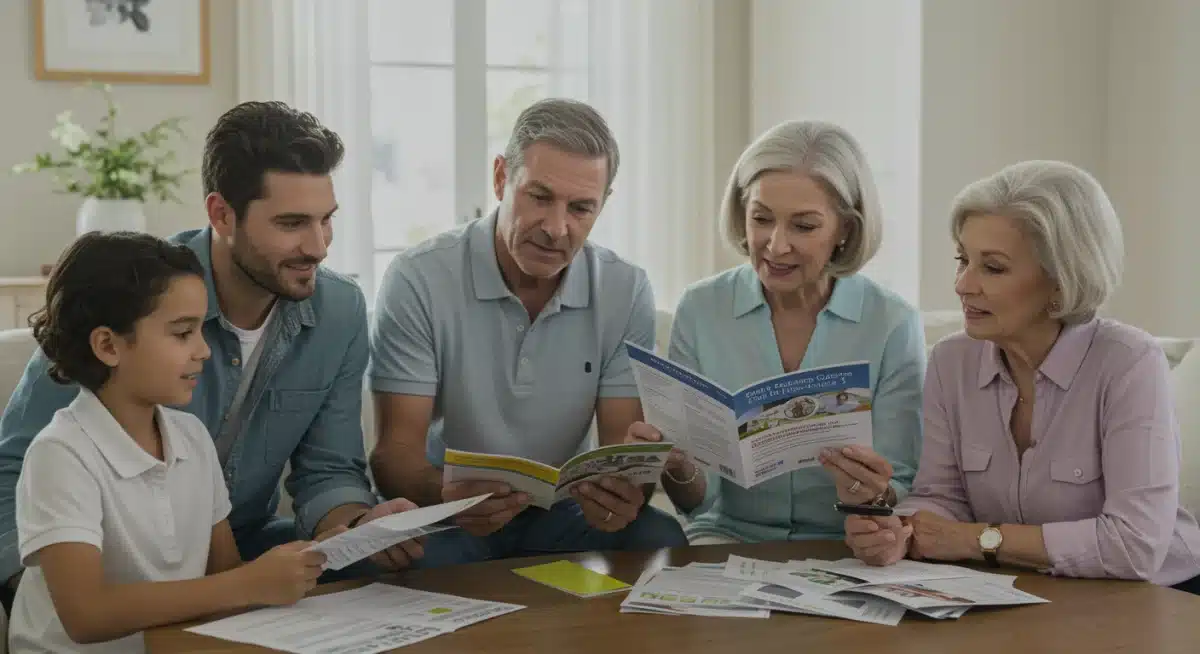
With so many excellent national caregiver support organizations available, choosing the right one can feel daunting. Here’s a step-by-step approach to help you make an informed decision:
- Identify Your Specific Needs: What are your primary challenges? Are you looking for emotional support, financial advice, legal guidance, respite care, or condition-specific information?
- Consider the Care Recipient’s Condition: If you are caring for someone with a specific condition (e.g., dementia, cancer), specialized organizations like the Alzheimer’s Association or the American Cancer Society (which also has caregiver resources) might be your best starting point.
- Assess Your Location: While national organizations offer broad resources, consider if their direct services or local chapters are accessible in your area. Organizations like n4a can connect you to local Area Agencies on Aging.
- Explore Online Resources First: Most national caregiver support organizations have comprehensive websites. Spend time exploring their offerings, reading articles, and checking out their online communities.
- Reach Out and Connect: Don’t hesitate to call helplines, attend virtual meetings, or join online forums. Direct interaction can give you a better feel for the support offered.
- Evaluate Cost and Accessibility: Determine if the services are free, affordable, or covered by any programs you might qualify for.
- Seek Peer Recommendations: Talk to other caregivers. Their experiences can provide invaluable insights into the effectiveness and quality of different organizations.
The Indispensable Role of Caregiver Support Organizations
The journey of a caregiver is often long, arduous, and isolating. National caregiver support organizations serve as beacons of hope, providing vital resources, emotional solace, and practical tools that empower caregivers to continue their invaluable work. By offering a diverse range of services, from educational materials and legal advice to emotional counseling and respite care, these organizations not only support the caregivers themselves but also indirectly improve the quality of life for care recipients.
As we move further into 2026, the commitment of these organizations to innovation, accessibility, and advocacy will be more critical than ever. Caregivers are the backbone of our long-term care system, and ensuring they have robust support is not just a matter of compassion but a societal imperative. By understanding and utilizing the resources provided by leading national caregiver support organizations, caregivers can navigate their challenging roles with greater confidence, resilience, and well-being.
Remember, seeking help is a sign of strength, not weakness. The resources are there, waiting to be discovered. Take the time to explore, connect, and empower yourself with the support you deserve.