2026 Medicare Changes: Caregiver’s Essential Guide to Maximized Benefits

The healthcare landscape in the United States is constantly evolving, and for the millions of caregivers across the nation, staying abreast of these changes is not just important—it’s critical. As we approach 2026, significant adjustments to Medicare are on the horizon, promising to reshape how beneficiaries access care and how caregivers manage their loved ones’ health and financial well-being. Understanding these 2026 Medicare Changes is paramount for maximizing benefits and ensuring seamless care.
Caregiving is a demanding role, often requiring individuals to navigate complex medical systems, insurance policies, and financial decisions, all while providing emotional and physical support. The upcoming changes to Medicare will undoubtedly add another layer of complexity, but with the right information and proactive planning, caregivers can turn potential challenges into opportunities for better care and improved outcomes. This comprehensive guide aims to equip U.S. caregivers with the knowledge they need to understand, anticipate, and strategically respond to the 2026 Medicare Changes.
Understanding the Foundation: What is Medicare and Why is it Changing?
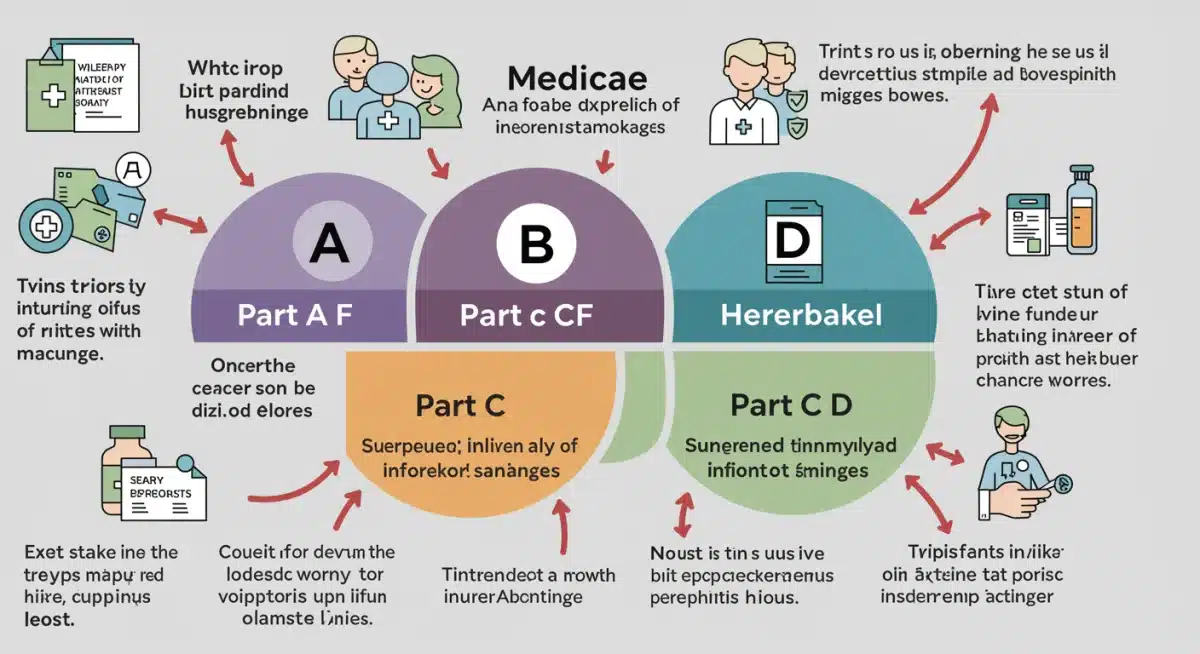
Before diving into the specifics of the 2026 Medicare Changes, it’s essential to have a solid grasp of what Medicare is and its fundamental structure. Medicare is a federal health insurance program for people aged 65 or older, certain younger people with disabilities, and people with End-Stage Renal Disease (permanent kidney failure requiring dialysis or a transplant). It’s divided into several parts:
- Part A (Hospital Insurance): Covers inpatient hospital stays, skilled nursing facility care, hospice care, and some home health care.
- Part B (Medical Insurance): Covers certain doctors’ services, outpatient care, medical supplies, and preventive services.
- Part C (Medicare Advantage): An alternative to Original Medicare offered by private companies approved by Medicare. These plans include Part A and Part B benefits and often Part D (prescription drug coverage) and extra benefits like vision, hearing, and dental.
- Part D (Prescription Drug Coverage): Helps cover the cost of prescription drugs.
- Medigap (Medicare Supplement Insurance): Private insurance that helps pay for out-of-pocket costs not covered by Original Medicare (like copayments, coinsurance, and deductibles).
The healthcare landscape is dynamic, influenced by advancements in medicine, demographic shifts, economic pressures, and legislative priorities. Changes are periodically introduced to ensure the program remains sustainable, responsive to beneficiary needs, and adaptable to new healthcare delivery models. The 2026 Medicare Changes are part of this ongoing evolution, driven by factors such as the increasing aging population, rising healthcare costs, and the need to streamline administrative processes and enhance beneficiary access to specific services.
For caregivers, these foundational understandings are crucial. Knowing which part of Medicare your loved one is enrolled in will directly impact how the 2026 Medicare Changes affect their coverage and what actions you might need to take. For instance, changes impacting Original Medicare (Parts A and B) might have different implications than those affecting Medicare Advantage plans (Part C).
Key Areas of Impact: What Caregivers Can Expect from the 2026 Medicare Changes
While the precise details of all 2026 Medicare Changes are still being finalized and communicated, certain areas are likely to see significant adjustments. Caregivers should pay close attention to the following:
Prescription Drug Costs and Coverage (Part D)
One of the most impactful areas for many beneficiaries and their caregivers revolves around prescription drug costs. The Inflation Reduction Act (IRA) of 2022 has already set in motion substantial changes to Medicare Part D, and 2026 will bring further implementation of these reforms. Caregivers should anticipate:
- Annual Cap on Out-of-Pocket Drug Costs: A major change is the introduction of an annual cap on out-of-pocket prescription drug costs for Medicare Part D beneficiaries. While there was a cap in 2025, 2026 will see the full implementation of this crucial protection. This means that once a beneficiary reaches a certain spending threshold, they will no longer have to pay for covered Part D drugs for the remainder of the year. This can significantly alleviate the financial burden on families managing chronic conditions and high-cost medications.
- Manufacturer Discounts: The IRA also includes provisions for drug manufacturers to offer discounts in the catastrophic phase of Part D. This, combined with the out-of-pocket cap, aims to reduce costs for beneficiaries.
- Insulin Cost Caps: While already in effect, the $35 cap on monthly insulin costs for Medicare beneficiaries will continue, providing ongoing relief for those managing diabetes.
For caregivers, these Part D changes could mean substantial savings and greater predictability in healthcare expenses. It’s vital to review your loved one’s current prescription drug plan and compare it with updated offerings for 2026 to ensure they are on the most cost-effective plan that covers their necessary medications.
Medicare Part B Premiums and Deductibles
Medicare Part B covers a wide range of medical services, and its premiums and deductibles are subject to annual adjustments. While specific figures for 2026 are not yet available, caregivers should be prepared for potential shifts. Factors influencing these costs include overall healthcare spending, the cost of new medical technologies, and legislative decisions. Caregivers should:
- Monitor Official Announcements: Stay informed by checking official Medicare.gov announcements and communications from the Centers for Medicare & Medicaid Services (CMS) as 2026 approaches.
- Understand Income-Related Monthly Adjustment Amounts (IRMAA): For higher-income beneficiaries, Part B premiums are subject to IRMAA. Caregivers should be aware that these thresholds can also be adjusted, potentially impacting the monthly costs for their loved ones.
Budgeting for these potential changes will be a critical step in financial planning for care recipients.
Expansion of Covered Services and Preventive Care
Medicare periodically expands its coverage to include new services, particularly in areas of preventive care and chronic disease management. While specific additions for 2026 are still emerging, there’s a continuous push towards emphasizing preventive care to improve long-term health outcomes and reduce future costs. Caregivers should look for:
- Enhanced Access to Mental Health Services: There’s an ongoing focus on improving access to mental health support. Caregivers might see expanded coverage for certain mental health therapies or telehealth options.
- New Preventive Screenings: Medicare often adds new preventive screenings or expands eligibility for existing ones. These can be crucial for early detection and management of various health conditions.
- Telehealth Expansion: The flexibility in telehealth coverage that became prominent during the pandemic may be further solidified or adjusted. This is a significant benefit for caregivers, reducing the need for travel and making healthcare more accessible for beneficiaries with mobility issues.
Staying informed about these expansions can help caregivers ensure their loved ones receive all eligible services, promoting better health and quality of life.
Navigating Medicare Advantage (Part C) Plans in 2026
Medicare Advantage plans, offered by private insurance companies, are a popular choice for many beneficiaries due to their often-lower premiums and additional benefits not covered by Original Medicare. The 2026 Medicare Changes will also influence the landscape of Medicare Advantage plans.
- Benefit Package Variations: Medicare Advantage plans are known for their varied benefits, which can include dental, vision, hearing, fitness programs, and even some in-home support services. Caregivers should expect these offerings to continue to evolve, with plans potentially adjusting their extra benefits in response to new regulations or market demands.
- Network Changes: Provider networks can change annually. It’s crucial for caregivers to verify that their loved one’s preferred doctors, specialists, and hospitals will remain in-network for any chosen Medicare Advantage plan in 2026.
- Star Ratings: Medicare Advantage plans are rated on a 5-star system. These ratings are updated annually and reflect the plan’s quality and performance. Caregivers should use these ratings as a tool when evaluating plans for 2026.
- Special Needs Plans (SNPs): For beneficiaries with certain chronic conditions or those who are institutionalized, Special Needs Plans (SNPs) offer tailored benefits. Caregivers of individuals with specific health needs should investigate if new or improved SNP options become available in 2026.
The Annual Enrollment Period (AEP), typically from October 15 to December 7 each year, is the critical time for reviewing and making changes to Medicare Advantage and Part D plans. Caregivers should mark this period on their calendars and begin researching options well in advance of the 2026 effective date.
The Role of Medigap Policies Amidst 2026 Medicare Changes
Medigap policies help cover the gaps in Original Medicare. While Medigap plans are standardized, meaning the benefits for each plan letter (e.g., Plan G, Plan N) are the same regardless of the insurance company, the premiums can vary significantly. The 2026 Medicare Changes primarily affecting Original Medicare (Parts A and B) can indirectly impact Medigap policies.
- Premium Adjustments: As Part A and Part B deductibles and coinsurance amounts shift, Medigap premiums may also see adjustments to reflect the changing costs they cover.
- Plan Availability: While unlikely to change drastically by 2026, it’s always wise to confirm the availability of specific Medigap plans, especially if considering a switch. Note that Medigap plans generally do not work with Medicare Advantage plans.
Caregivers whose loved ones have Original Medicare and a Medigap policy should review how any changes to Part A and B costs might affect their overall out-of-pocket expenses, even with supplemental coverage.
Proactive Steps for Caregivers: Maximizing Benefits in 2026
Given the anticipated 2026 Medicare Changes, proactive engagement from caregivers is essential. Here are actionable steps you can take to ensure your loved one’s benefits are maximized:
1. Stay Informed Through Official Channels
Reliable information is your most valuable asset. Rely on official sources for updates:
- Medicare.gov: The official U.S. government site for Medicare provides comprehensive and up-to-date information.
- CMS Announcements: The Centers for Medicare & Medicaid Services often release press statements and fact sheets detailing upcoming changes.
- State Health Insurance Assistance Programs (SHIPs): These programs offer free, unbiased counseling to Medicare beneficiaries and their caregivers. They are an invaluable resource for understanding local plan options and changes.
Sign up for email newsletters from these organizations to receive timely notifications about the 2026 Medicare Changes.
2. Review Current Coverage Annually
Even if your loved one is satisfied with their current plan, it’s crucial to review it annually, especially during the AEP. Compare it against new plans for 2026:
- Prescription Drug Coverage: Check if current medications are still covered, if there are changes in cost-sharing, and how the new out-of-pocket cap applies.
- Provider Networks: Ensure all preferred doctors and facilities remain in-network for Medicare Advantage plans.
- Total Costs: Calculate estimated annual costs, including premiums, deductibles, copayments, and coinsurance, for existing and potential new plans.
The 2026 Medicare Changes provide a compelling reason to conduct a thorough review, as some plans may become more or less advantageous.
3. Document and Organize Healthcare Information
Caregivers often juggle a lot of paperwork. Maintaining organized records is vital:
- Medical Records: Keep an updated list of diagnoses, medications, allergies, and treatment history.
- Insurance Documents: Store copies of Medicare cards, insurance policies, and contact information for plans and providers.
- Financial Records: Track healthcare expenses, including premiums, deductibles, and out-of-pocket costs, for tax purposes and financial planning.
Having this information readily available will streamline decision-making and communication with healthcare providers and insurance companies when navigating the 2026 Medicare Changes.
4. Utilize Available Resources and Support Systems
Caregiving can be isolating, but numerous resources are available:
- Caregiver Support Groups: Connect with other caregivers to share experiences and advice.
- Social Workers and Case Managers: Healthcare professionals can often provide guidance on navigating complex medical and insurance systems.
- Eldercare Locator: A public service of the U.S. Administration on Aging connecting you to services for older adults and their families.
These resources can be particularly helpful when trying to understand the nuances of the 2026 Medicare Changes.
5. Plan for Long-Term Care Needs
While Medicare covers certain skilled nursing facility care and home health care under specific conditions, it generally does not cover long-term custodial care (such as help with activities of daily living over an extended period). The 2026 Medicare Changes are unlikely to alter this fundamental aspect significantly.
- Explore Long-Term Care Insurance: Consider if long-term care insurance is a viable option for your loved one.
- Medicaid Eligibility: Understand Medicaid eligibility requirements, as it can cover long-term care for individuals with limited income and assets.
- Savings and Investments: Factor potential long-term care costs into overall financial planning.
Proactive planning for long-term care ensures that your loved one’s needs are met beyond what Medicare provides, complementing the benefits available through the 2026 Medicare Changes.

Potential Challenges and How to Address Them
While the 2026 Medicare Changes aim to improve the program, caregivers might encounter some challenges:
- Information Overload: The sheer volume of information can be overwhelming. Break down the information into manageable chunks and focus on what directly impacts your loved one.
- Confusion with Plan Options: The variety of Medicare Advantage and Part D plans can be confusing. Utilize comparison tools on Medicare.gov and seek assistance from SHIP counselors.
- Financial Adjustments: Even with positive changes like the out-of-pocket cap for Part D, other costs might shift. Regularly review and adjust your budget accordingly.
- Advocacy: Be prepared to advocate for your loved one’s needs, especially if there are discrepancies in billing or coverage. Keep detailed records of all communications.
Approaching these challenges with a prepared mindset will help caregivers navigate the 2026 Medicare Changes more effectively.
The Future of Medicare and the Caregiver’s Role
The 2026 Medicare Changes are not an endpoint but rather another step in the continuous evolution of healthcare for seniors and individuals with disabilities. As the population ages, the role of caregivers becomes increasingly vital. Policymakers are gradually recognizing the immense contributions of caregivers, and future Medicare changes may include more direct support for family caregivers, such as respite care benefits or training programs.
For now, caregivers must remain vigilant and informed. By understanding the nuances of the 2026 Medicare Changes, actively reviewing coverage options, and leveraging available resources, you can play an instrumental role in ensuring your loved one receives the best possible care while managing healthcare costs effectively. Your dedication and informed decisions are key to navigating this complex system and maximizing the benefits available.
Conclusion: Empowering Caregivers for 2026 and Beyond
The upcoming 2026 Medicare Changes represent both a challenge and an opportunity for caregivers in the U.S. While the details can be intricate, the core message is clear: proactive engagement and informed decision-making are paramount. By staying abreast of Part D reforms, potential shifts in Part B costs, and the evolving landscape of Medicare Advantage plans, caregivers can strategically position their loved ones to receive comprehensive, affordable, and high-quality healthcare.
Remember, you are not alone in this journey. Utilize official Medicare resources, consult with SHIP counselors, and lean on caregiver support networks. Your role as an advocate and facilitator is invaluable. By arming yourself with knowledge about the 2026 Medicare Changes, you empower yourself to make the best choices, ensuring that your loved one’s health and financial well-being are protected, not just for 2026, but for years to come. Start preparing today to confidently navigate the future of Medicare.