Practical Solutions for Boosting Vaccine Uptake in Underserved US Communities
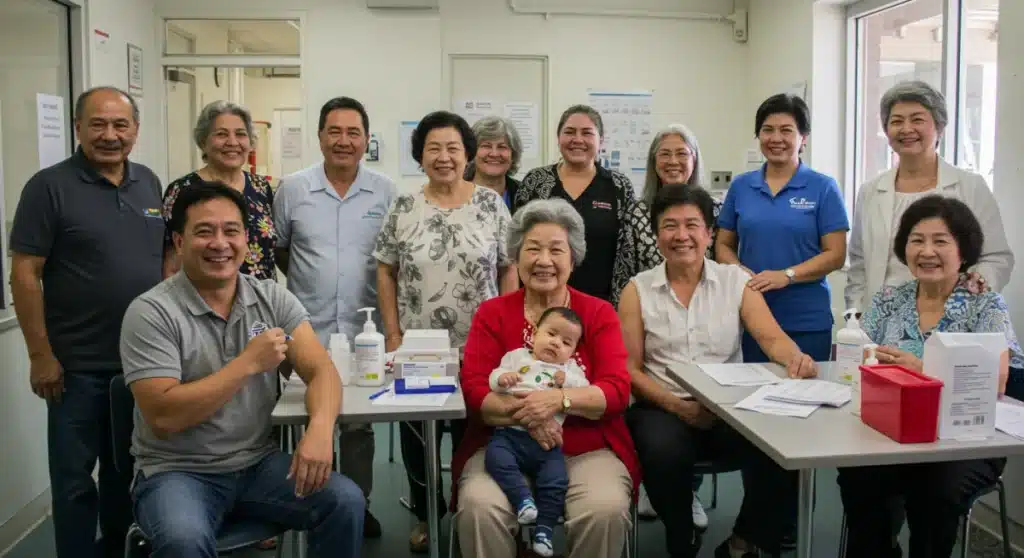
Achieving a 15% increase in vaccine uptake in underserved US communities by mid-2025 demands culturally competent outreach, accessible clinics, and addressing vaccine hesitancy through trusted local voices and tailored educational resources.
Improving vaccine uptake solutions by a significant 15% in underserved US communities by mid-2025 is an ambitious yet critical public health goal. This effort requires a multi-faceted approach, deeply rooted in understanding the unique challenges and needs of these populations to foster trust and accessibility.
Understanding the Landscape of Underserved Communities
Underserved communities often face systemic barriers that contribute to lower vaccine uptake rates. These challenges are complex, ranging from socio-economic factors to historical mistrust in healthcare systems. Acknowledging these underlying issues is the first step toward developing effective and sustainable interventions.
Many residents in these areas encounter difficulties accessing healthcare facilities due to transportation limitations, inflexible work schedules, and a lack of childcare options. Furthermore, language barriers and cultural differences can hinder effective communication between healthcare providers and community members, leading to misunderstandings and reluctance to engage with vaccination programs.
Addressing Socio-Economic Barriers
Poverty and lack of health insurance significantly impact a person’s ability to prioritize and access preventative care, including vaccinations. When daily survival is a primary concern, health appointments often take a backseat. Therefore, solutions must consider these fundamental economic realities.
- Providing free or low-cost transportation to vaccination sites.
- Offering vaccinations during non-traditional hours, such as evenings and weekends.
- Integrating vaccination services into existing community hubs like food banks or schools.
- Ensuring vaccine administration is free and clearly communicated as such.
By removing financial and logistical hurdles, we can significantly ease the burden on individuals and families, making it easier for them to participate in vaccination efforts. This approach respects the lived experiences of community members and builds a foundation of practical support.
Building Trust Through Community Engagement and Culturally Competent Outreach
Trust is the cornerstone of any successful public health initiative, especially in communities with historical reasons for skepticism towards medical institutions. Effective vaccine uptake solutions must prioritize genuine engagement and culturally sensitive communication.
This involves more than just translating materials; it means understanding cultural norms, beliefs, and communication styles. Healthcare providers and public health workers must be trained in cultural competency to interact respectfully and effectively with diverse populations. This training helps in delivering messages that resonate and are perceived as relevant and trustworthy.
Leveraging Trusted Local Voices
Community leaders, faith-based organizations, and local influencers play an indispensable role in disseminating accurate information and encouraging vaccination. These individuals often have deep-seated relationships and credibility within their communities, making them powerful advocates.
- Partnering with local churches, community centers, and non-profits.
- Training community health workers (CHWs) from within the community to serve as vaccinators and educators.
- Organizing town halls and informal gatherings where community members can ask questions directly to trusted health professionals.
- Featuring testimonials from vaccinated community members.
By empowering these local voices, public health campaigns can bypass traditional communication barriers and reach individuals who might otherwise be unreachable. This bottom-up approach ensures that information is delivered in a contextually appropriate and believable manner, crucial for increasing vaccine uptake.
Enhancing Accessibility: Mobile Clinics and Point-of-Care Vaccinations
Physical accessibility remains a significant barrier for many underserved populations. Bringing vaccination services directly to where people live, work, and gather can dramatically improve uptake rates. Mobile clinics and integrated point-of-care vaccination strategies are vital components of effective vaccine uptake solutions.
Mobile vaccination units can travel to rural areas, urban centers with limited healthcare infrastructure, and even workplaces. These units reduce the need for individuals to travel long distances, take time off work, or arrange childcare – all common obstacles. They can also create a more relaxed and familiar environment for vaccination, away from intimidating clinical settings.
Integrating Vaccinations into Routine Care and Community Events
Making vaccinations a seamless part of existing health services and community activities can normalize the process and increase convenience. This integration strategy is particularly effective for reaching individuals who might not proactively seek out vaccination appointments.
- Offering vaccinations at routine doctor’s appointments, school enrollment events, and WIC clinics.
- Setting up vaccination stations at community festivals, farmers’ markets, and local sporting events.
- Collaborating with employers to offer on-site vaccinations for their employees.
- Establishing pop-up clinics in accessible locations such as libraries, parks, and laundromats.
These initiatives not only improve access but also embed vaccination into the fabric of daily life, making it a routine expectation rather than a special, often inconvenient, trip. This strategic placement helps overcome both logistical and psychological barriers to vaccination.
Addressing Vaccine Hesitancy Through Tailored Education and Misinformation Combat
Vaccine hesitancy is a complex issue driven by a variety of factors, including misinformation, historical distrust, religious beliefs, and personal concerns about safety and efficacy. Generic public health messages often fail to address these specific concerns, leading to continued reluctance.
Effective vaccine uptake solutions require tailored educational approaches that acknowledge and respectfully address the unique questions and fears of different community segments. This involves active listening and providing accurate information in an empathetic, non-judgmental way. It also means actively monitoring and combating the spread of misinformation, which can rapidly erode trust.
Developing Culturally Sensitive Educational Materials
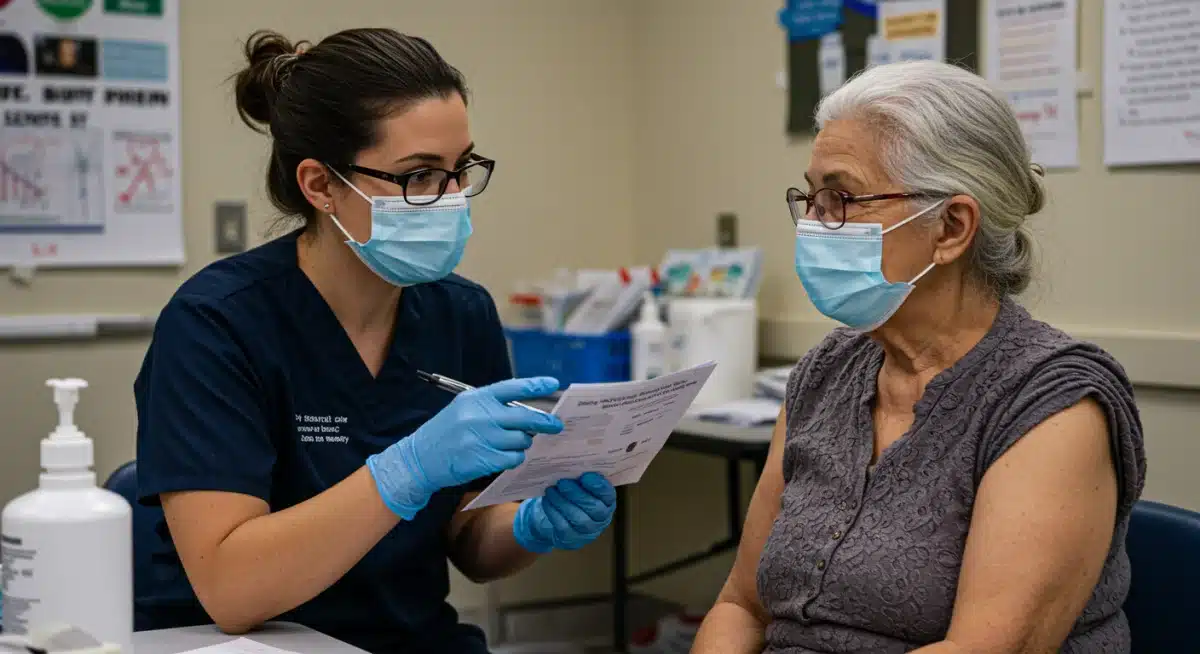
Educational materials must be relevant, easy to understand, and available in multiple languages. They should utilize visuals and storytelling that resonate with the target audience, moving beyond simple medical jargon. These materials should also be distributed through channels that community members trust.
- Creating infographics and short videos explaining vaccine benefits and safety in plain language.
- Distributing flyers and brochures through community organizations and trusted local businesses.
- Utilizing social media platforms popular within specific communities to share accurate information.
- Hosting interactive Q&A sessions with medical experts who can directly address concerns.
By providing clear, consistent, and culturally appropriate information, public health efforts can empower individuals to make informed decisions about vaccination. This proactive approach to education is critical in dispelling myths and building confidence in vaccine programs.
Leveraging Data and Technology for Targeted Interventions
To achieve a 15% increase in vaccine uptake, interventions must be data-driven and continuously refined. Utilizing data analytics to identify areas with low vaccination rates and understanding the specific reasons behind them allows for highly targeted and efficient deployment of resources.
Technology can play a crucial role in this process, from sophisticated data mapping to simple reminder systems. Geographic information systems (GIS) can pinpoint communities most in need, while digital platforms can facilitate appointment scheduling and provide personalized reminders. These tools enhance the precision and reach of public health efforts, maximizing their impact.
Implementing Robust Data Collection and Analysis
Systematic collection and analysis of vaccination data, disaggregated by demographics, can reveal disparities and highlight specific barriers. This information is invaluable for adapting strategies and ensuring that resources are allocated where they are most needed.
- Tracking vaccination rates by age, race, ethnicity, and geographic location.
- Conducting surveys and focus groups to understand community perceptions and barriers.
- Using predictive analytics to identify populations at highest risk of low uptake.
- Evaluating the effectiveness of different interventions in real-time.
By continuously monitoring and evaluating progress, public health authorities can quickly identify what is working and what is not, allowing for agile adjustments to their strategies. This iterative process is essential for achieving significant and sustained improvements in vaccine uptake.
Sustainable Funding and Policy Support for Long-Term Impact
Any effort to significantly improve vaccine uptake requires sustained financial investment and supportive policy frameworks. Short-term funding cycles and inconsistent policy directives can undermine even the most well-intentioned initiatives. Long-term commitment ensures that programs can build momentum and achieve lasting impact.
Advocacy for dedicated funding streams for community health initiatives and vaccine equity programs is crucial. Policies that support flexible healthcare delivery models, such as reimbursement for mobile clinics and community health worker services, are also essential. These structural changes create an environment where practical solutions can thrive and be maintained over time.
Advocating for Health Equity Policies
Policies must be designed with health equity at their core, addressing systemic inequalities rather than just treating symptoms. This includes policies that expand access to healthcare, support community-based organizations, and protect vulnerable populations.
- Securing federal and state funding specifically for vaccine equity programs.
- Implementing policies that allow for flexible use of healthcare funds to meet community-specific needs.
- Supporting legislation that expands the scope of practice for non-physician healthcare providers and CHWs.
- Developing public-private partnerships to leverage resources and expertise.
By establishing a robust and supportive policy environment, public health efforts can move beyond crisis response to a proactive, preventative approach. This ensures that the gains made in vaccine uptake are not only achieved but also sustained, leading to healthier communities in the long run.
| Key Solution | Brief Description |
|---|---|
| Community Engagement | Build trust through local leaders and culturally competent outreach. |
| Enhanced Accessibility | Utilize mobile clinics and integrate vaccinations into routine care. |
| Targeted Education | Address hesitancy with tailored, culturally sensitive information. |
| Policy & Funding | Ensure sustained financial and policy support for equity programs. |
Frequently Asked Questions About Vaccine Uptake
Primary barriers include lack of convenient access, transportation issues, mistrust in healthcare systems, language barriers, socio-economic factors like job inflexibility, and widespread misinformation. Addressing these requires a holistic, community-centric approach.
Trust is built through genuine engagement with local leaders, faith-based organizations, and community health workers. Culturally competent communication, empathetic listening, and transparent information sharing, coupled with consistent presence, are crucial.
Mobile clinics bring vaccination services directly to underserved areas, overcoming transportation and geographical barriers. They offer flexible hours and create more comfortable, familiar environments, significantly enhancing convenience and access for residents.
Countering misinformation requires tailored, culturally sensitive educational materials delivered by trusted local voices. Interactive Q&A sessions, clear visual aids, and active monitoring of community concerns are key to providing accurate, empathetic responses.
Long-term funding ensures sustainability and allows programs to build momentum, establish deep community roots, and adapt over time. It moves initiatives beyond short-term fixes, fostering lasting health equity and robust public health infrastructure.
Conclusion
Achieving a 15% increase in vaccine uptake in underserved US communities by mid-2025 is an attainable goal, provided we commit to a comprehensive and equitable strategy. This involves not only addressing logistical barriers but also deeply engaging with communities to build trust, combat misinformation, and tailor interventions to their specific needs. By combining robust community outreach with accessible services, data-driven approaches, and sustained policy support, we can foster a healthier future for all, ensuring that no community is left behind in the pursuit of public health.