Environmental Health in Focus: 4 Critical US Public Health Challenges for the Next Decade
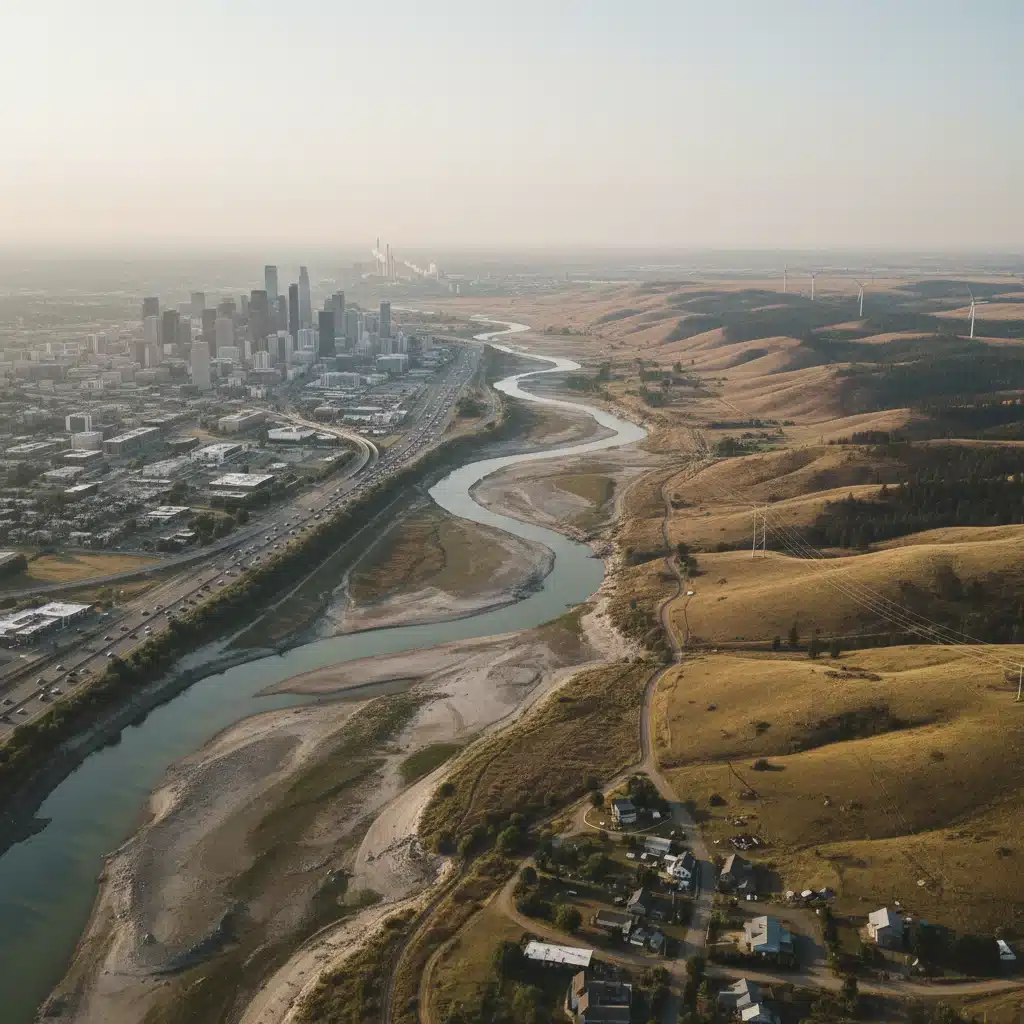
The health of a nation is inextricably linked to the health of its environment. In the United States, as we navigate the complexities of the 21st century, the intersection of environmental degradation and public well-being presents a formidable array of challenges. These aren’t just abstract ecological concerns; they are direct threats to human health, equity, and prosperity. Understanding and addressing these critical US Environmental Health challenges is paramount for forging a resilient and healthy future for all Americans. This comprehensive exploration delves into four pivotal environmental health issues poised to define the next decade, examining their multifaceted impacts and outlining pathways toward sustainable solutions.
Environmental Health in Focus: 4 Critical US Public Health Challenges for the Next Decade
The United States, with its vast and varied landscapes, diverse populations, and advanced technological infrastructure, faces a unique set of environmental health challenges. These are not static problems but evolving threats, often amplified by socioeconomic disparities and a rapidly changing global climate. As we look towards the next decade, a proactive and integrated approach to US Environmental Health is not merely desirable but essential for safeguarding public health.
Our environment shapes every aspect of our lives, from the air we breathe and the water we drink to the food we eat and the communities we inhabit. When environmental systems are compromised, human health inevitably suffers. The challenges we discuss today are interconnected, forming a complex web where a disturbance in one area can ripple through others, exacerbating existing vulnerabilities and creating new ones. Addressing these issues requires a holistic understanding and a commitment to systemic change, moving beyond symptom management to tackle root causes.
The concept of US Environmental Health encompasses a broad spectrum of concerns, including the quality of air and water, exposure to toxic chemicals, the impacts of climate change, and the availability of safe and healthy living and working environments. It also critically examines how these factors disproportionately affect certain populations, particularly low-income communities and communities of color, highlighting the deep-seated issues of environmental justice. As we outline the four critical challenges, we will underscore the urgency and the collaborative effort needed to confront them effectively.
1. Climate Change and Its Cascading Health Impacts
Perhaps no challenge looms larger or presents a more existential threat to US Environmental Health than climate change. The scientific consensus is unequivocal: human activities are driving unprecedented changes in the Earth’s climate, leading to a cascade of environmental and health consequences. In the US, these impacts are already being felt across all regions and demographics, and they are projected to intensify significantly in the coming decade.
Extreme Weather Events and Public Health
One of the most immediate and visible manifestations of climate change is the increasing frequency and intensity of extreme weather events. This includes more severe heatwaves, prolonged droughts, devastating wildfires, more powerful hurricanes, and intense precipitation leading to widespread flooding. Each of these events carries a significant public health burden.
- Heatwaves: Prolonged periods of extreme heat lead to heatstroke, dehydration, and exacerbate pre-existing cardiovascular and respiratory conditions. Vulnerable populations, such as the elderly, young children, outdoor workers, and those without access to air conditioning, are particularly at risk. Urban areas, due to the ‘urban heat island’ effect, often experience even higher temperatures.
- Wildfires: The western United States, in particular, has seen a dramatic increase in the scale and severity of wildfires. Beyond the immediate danger of fire, the smoke produced contains fine particulate matter and toxic gases that can travel hundreds or even thousands of miles, significantly degrading air quality. This leads to respiratory illnesses, cardiovascular problems, and increased emergency room visits and hospitalizations.
- Hurricanes and Flooding: Coastal and low-lying areas face increased risks from stronger hurricanes and more frequent flooding. These events cause physical injuries, displace communities, damage infrastructure (including healthcare facilities), and can lead to long-term mental health impacts. Contaminated floodwaters pose risks of waterborne diseases and exposure to hazardous materials.
- Droughts: Extended droughts threaten water supplies for drinking, agriculture, and sanitation, leading to food insecurity and potential conflicts over water resources. They also contribute to increased wildfire risk.
Vector-Borne Diseases and Climate Change
Climate change is also altering the geographic range and seasonality of disease vectors, such as mosquitoes and ticks. Warmer temperatures and altered precipitation patterns are expanding the habitats of these vectors, leading to an increase in vector-borne diseases. The US Environmental Health system must adapt to this evolving threat.
- Lyme Disease: Ticks carrying Lyme disease are expanding their range northward and into higher elevations.
- West Nile Virus and Dengue Fever: Mosquitoes carrying these viruses are also finding new suitable habitats, posing risks to populations previously unaffected.
The economic toll of climate change-related health impacts is staggering, encompassing healthcare costs, lost productivity, and infrastructure damage. Addressing this challenge requires aggressive strategies for greenhouse gas emission reduction, investment in renewable energy, and robust adaptation measures to protect communities from unavoidable impacts.
2. Persistent Chemical Exposures and Their Health Burden
The modern world is characterized by an pervasive presence of synthetic chemicals in our environment, many of which can have significant, often subtle, and long-term impacts on US Environmental Health. From industrial pollutants to everyday consumer products, exposure to these chemicals is a growing concern, particularly for vulnerable populations and developing fetuses and children.
Everyday Chemical Contaminants
Thousands of chemicals are used in commerce, many with limited understanding of their long-term health effects. Persistent organic pollutants (POPs), heavy metals (like lead and mercury), pesticides, phthalates, parabens, and per- and polyfluoroalkyl substances (PFAS) are just a few examples of contaminants that raise significant public health alarms. These chemicals can enter the human body through ingestion (food, water), inhalation (air), and dermal contact.
- PFAS (‘Forever Chemicals’): These chemicals are used in a wide range of products, from non-stick cookware to firefighting foams, and have contaminated drinking water sources across the country. PFAS are highly persistent in the environment and in the human body, linked to various health problems including certain cancers, thyroid disease, immune system dysfunction, and developmental issues.
- Pesticides: While critical for agricultural productivity, pesticide exposure, particularly for farmworkers and rural communities, is associated with neurological disorders, reproductive problems, and certain cancers. Runoff from agricultural lands can also contaminate water sources.
- Lead: Despite decades of efforts, lead exposure remains a significant US Environmental Health issue, especially in older housing stock with lead-based paint and in areas with lead plumbing. Lead exposure in children can lead to irreversible neurological damage, developmental delays, and behavioral problems.
- Phthalates and Parabens: Commonly found in personal care products, plastics, and food packaging, these endocrine-disrupting chemicals can interfere with hormonal systems, potentially affecting reproductive health, development, and increasing the risk of certain cancers.
Vulnerability and Environmental Justice
The burden of chemical exposure is not evenly distributed. Low-income communities and communities of color are disproportionately affected, often living near industrial facilities, waste sites, and areas with older infrastructure. This environmental injustice means that these communities face a higher cumulative exposure to multiple pollutants, exacerbating health disparities and creating a vicious cycle of poverty and poor health outcomes. Addressing this requires not only stricter regulations but also a commitment to equitable development and community empowerment.
Effective strategies for managing chemical exposures include more rigorous chemical testing and regulation, promoting green chemistry alternatives, improving waste management, and implementing targeted interventions in highly exposed communities. Public awareness and education about everyday chemical risks are also crucial.
3. Deteriorating Infrastructure and Water Quality
Access to clean, safe drinking water and effective wastewater management are foundational pillars of US Environmental Health. However, much of the nation’s water infrastructure is aging and deteriorating, posing significant risks to public health. The Flint water crisis served as a stark reminder of the devastating consequences when these systems fail, but it is far from an isolated incident.

Aging Water and Wastewater Systems
Many urban and rural areas across the US rely on water pipes installed decades ago, often made of materials like lead or galvanized steel that can leach contaminants into the drinking water. Water treatment plants may struggle to remove emerging contaminants, and wastewater infrastructure can be overwhelmed by heavy rainfall, leading to sewage overflows that pollute waterways and expose communities to pathogens.
- Lead Pipes: Millions of American homes still receive water through lead service lines. While efforts are underway to replace them, the process is slow and costly, leaving many communities vulnerable to lead poisoning.
- “Boil Water” Advisories: These advisories are becoming more common due to infrastructure failures, natural disasters, or contamination events, indicating a breakdown in the system designed to deliver safe water.
- Emerging Contaminants: Pharmaceuticals, microplastics, and industrial chemicals are increasingly found in water sources, posing complex challenges for existing treatment technologies. The long-term health effects of exposure to these contaminants, even at low levels, are still being studied, but they represent a growing concern for US Environmental Health.
Impacts on Health and Equity
Contaminated water can lead to a range of health issues, from immediate gastrointestinal illnesses to long-term chronic diseases. Children, the elderly, and immunocompromised individuals are particularly susceptible. The burden of poor water quality often falls disproportionately on low-income communities and rural areas, which may lack the resources to upgrade their infrastructure or to access alternative safe water sources. This further entrenches health inequities.
Addressing this challenge requires massive, sustained investment in modernizing water infrastructure, developing advanced treatment technologies, and implementing robust monitoring programs. It also necessitates policies that ensure equitable access to safe and affordable drinking water for all communities, regardless of their socioeconomic status.
4. Air Pollution: Persistent Threats and New Fronts
While the United States has made significant strides in improving air quality through regulations like the Clean Air Act, air pollution remains a critical US Environmental Health challenge. Traditional pollutants continue to pose risks, and new sources and types of air pollution are emerging, exacerbated by climate change and industrial activities.
Fine Particulate Matter (PM2.5) and Ground-Level Ozone
These two pollutants are among the most pervasive and harmful. Fine particulate matter (PM2.5), primarily from vehicle exhaust, industrial emissions, and wildfires, can penetrate deep into the lungs and enter the bloodstream, causing respiratory and cardiovascular diseases, strokes, and even premature death. Ground-level ozone, formed when pollutants from vehicles, power plants, and other sources react chemically in the presence of sunlight, irritates the respiratory system, leading to asthma attacks and other lung problems.
- Wildfire Smoke: As mentioned, increased wildfires contribute significantly to PM2.5 levels, impacting large geographical areas far from the fire source. This has become a major concern for US Environmental Health, especially during fire seasons.
- Traffic-Related Air Pollution: Communities located near major roadways, ports, and industrial facilities experience higher concentrations of vehicle emissions, leading to elevated rates of asthma, heart disease, and other chronic conditions.
Indoor Air Quality
Often overlooked, indoor air quality is also a significant concern. Poor ventilation, mold growth, radon gas, secondhand smoke, and emissions from building materials, cleaning products, and cooking can lead to a range of health issues, including respiratory problems, allergies, and neurological effects. Low-income housing often suffers from worse indoor air quality due to maintenance issues, pest problems, and lack of resources for remediation.
Industrial Emissions and Environmental Justice
Industrial facilities, particularly those in the petrochemical and manufacturing sectors, release a variety of toxic air pollutants. Communities situated near these facilities, again disproportionately low-income and minority populations, bear the brunt of these emissions, experiencing higher rates of cancer, birth defects, and respiratory illnesses. This highlights the persistent need for strong environmental regulations and enforcement to protect vulnerable communities.
Strategies to combat air pollution include transitioning to cleaner energy sources, promoting electric vehicles and public transportation, improving industrial emission controls, and implementing robust air quality monitoring and alert systems. Furthermore, initiatives to improve indoor air quality through better building standards and public education are vital.
Interconnectedness and the Path Forward for US Environmental Health
It is crucial to recognize that these four critical US Environmental Health challenges are not isolated. Climate change exacerbates air pollution through wildfires and increased ozone formation, while also stressing water resources. Chemical exposures can weaken human resilience to other environmental stressors. Deteriorating infrastructure can lead to both water contamination and increased vulnerability to extreme weather events. The thread of environmental injustice weaves through all these issues, highlighting the need for solutions that prioritize equity.
A Holistic Approach to Environmental Health
Addressing these complex challenges requires a multifaceted, interdisciplinary, and equitable approach. No single agency, sector, or community can tackle these issues alone. Collaboration between government agencies, scientific researchers, healthcare providers, community organizations, industry, and the public is essential.
- Strengthening Regulations and Enforcement: Robust environmental regulations, coupled with effective enforcement, are fundamental to protecting public health from pollution and hazardous exposures. This includes updating existing laws and developing new ones to address emerging threats.
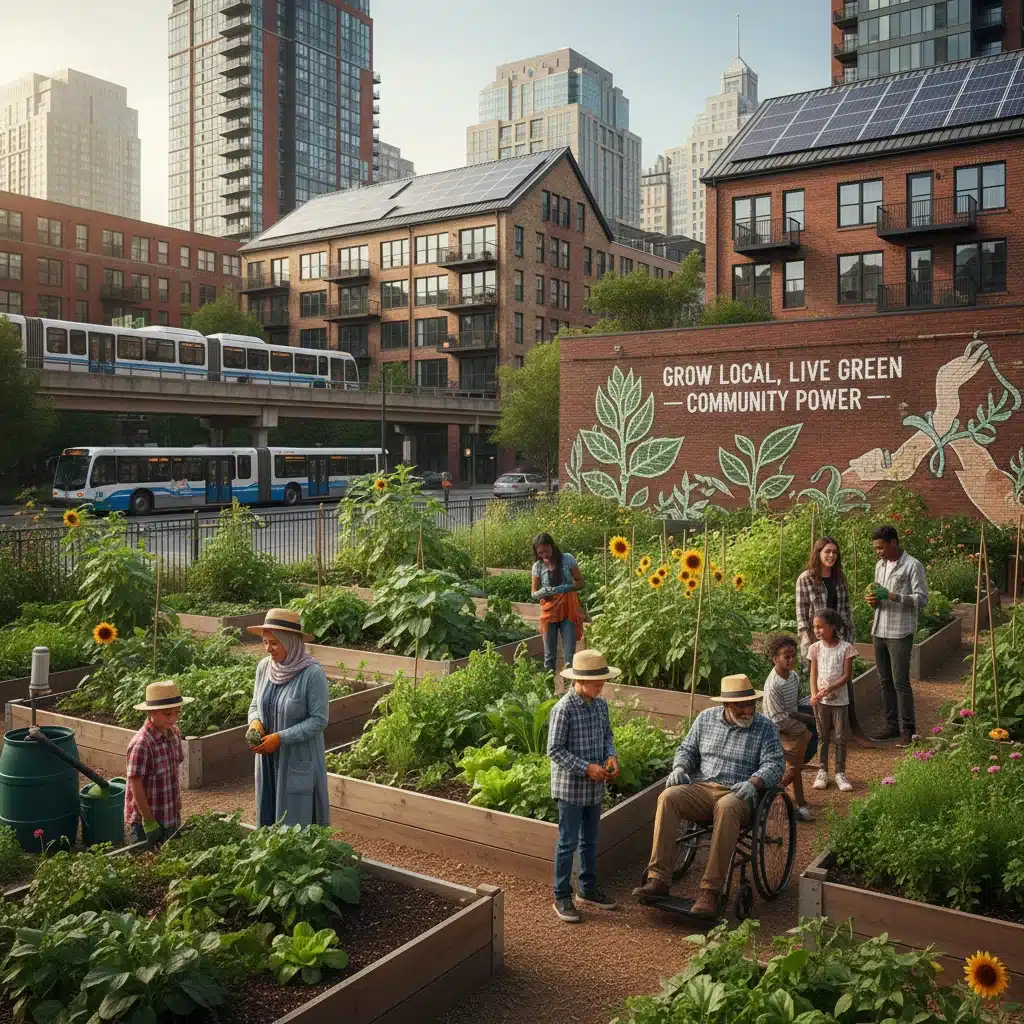
- Investing in Green Infrastructure: Solutions like green roofs, permeable pavements, and urban forests can help manage stormwater, mitigate urban heat islands, and improve air quality.
- Promoting Sustainable Practices: Encouraging sustainable agriculture, reducing waste, and transitioning to a circular economy can minimize resource depletion and pollution.
- Advancing Environmental Justice: Policies and programs must be designed to explicitly address and rectify historical and ongoing environmental injustices, ensuring that all communities have equal protection from environmental hazards and equal access to environmental benefits.
- Public Education and Engagement: Empowering individuals and communities with knowledge about environmental health risks and protective measures is vital. Public participation in environmental decision-making processes can lead to more effective and equitable outcomes.
- Research and Innovation: Continued investment in scientific research is necessary to better understand the health impacts of environmental exposures, develop innovative solutions, and predict future challenges.
The Role of Public Health Professionals
Public health professionals play a crucial role in responding to these challenges. They are on the front lines, monitoring health trends, conducting risk assessments, educating the public, advocating for policy changes, and developing preparedness and response plans for environmental emergencies. Their expertise is indispensable in translating scientific findings into actionable strategies that protect community health.
For instance, epidemiologists track the incidence of climate-sensitive diseases; environmental health specialists inspect and ensure safe food and water; toxicologists assess the risks of chemical exposures; and health educators work to build community resilience and awareness. Integrating environmental health into all aspects of public health practice is critical for building healthier and more sustainable communities.
Conclusion: A Call to Action for US Environmental Health
The next decade will be a pivotal period for US Environmental Health. The challenges posed by climate change, persistent chemical exposures, deteriorating infrastructure, and ongoing air pollution are significant, complex, and deeply intertwined with social equity. Ignoring these issues is not an option; the health and well-being of current and future generations depend on our collective response.
By understanding the scope of these challenges, fostering collaboration, investing in resilient infrastructure, championing sustainable practices, and prioritizing environmental justice, the United States can move towards a future where everyone has the opportunity to live in a healthy and thriving environment. This is not just an environmental imperative; it is a public health imperative, an economic imperative, and a moral imperative. The time for decisive action is now.
The commitment to enhancing US Environmental Health is a long-term endeavor that requires continuous vigilance, adaptation, and innovation. It is an investment in our collective future, ensuring that the air we breathe, the water we drink, and the places we live and work are conducive to a high quality of life for all.