SAD in 2025: 4 Winter Wellness Strategies

Seasonal Affective Disorder (SAD) in 2025 requires proactive, time-sensitive strategies; this article details four key approaches including light therapy, nutritional adjustments, consistent exercise, and mental resilience techniques to maintain well-being.
As the days grow shorter and the chill of winter sets in, many individuals find themselves grappling with a profound shift in mood and energy. This isn’t merely the ‘winter blues’; for a significant portion of the population, it’s a recurring, clinical condition. Understanding Seasonal Affective Disorder in 2025: 4 Time-Sensitive Strategies for Winter Wellness is more crucial than ever as we navigate the evolving landscape of mental health.
Understanding seasonal affective disorder (SAD)
Seasonal Affective Disorder, commonly known as SAD, is a type of depression that recurs with a seasonal pattern, primarily during the colder, darker months of winter. It’s more than just feeling a bit down; SAD can significantly impact daily life, affecting mood, sleep, energy levels, and overall well-being. Recognizing the symptoms early is the first step toward effective management.
The exact cause of SAD isn’t fully understood, but it’s believed to be linked to the reduction in natural light during winter. This decrease in light can disrupt the body’s internal clock, reduce serotonin levels (a brain chemical that affects mood), and alter melatonin production (a hormone that influences sleep patterns and mood). These biological changes can collectively contribute to the depressive symptoms characteristic of SAD.
common symptoms and diagnosis
Identifying SAD involves recognizing a consistent pattern of depressive symptoms that emerge and remit with specific seasons. While symptoms can vary in intensity, some are particularly common during winter-onset SAD.
- Persistent low mood: Feeling sad, down, or irritable for most of the day, nearly every day.
- Loss of interest: A noticeable decrease in pleasure or interest in activities once enjoyed.
- Changes in sleep patterns: Often involves oversleeping (hypersomnia) but still feeling tired.
- Increased appetite and weight gain: Cravings for carbohydrates and comfort foods are common.
- Low energy: Feeling sluggish, fatigued, and lacking motivation for daily tasks.
Diagnosis typically involves a thorough evaluation by a healthcare professional, who will consider the seasonal pattern of symptoms and rule out other potential causes. It’s important to seek professional help if you suspect you might be experiencing SAD, as early intervention can significantly improve outcomes.
In conclusion, SAD is a real and impactful condition influenced by seasonal changes in light. Understanding its root causes and recognizing its symptoms are vital for anyone looking to navigate the winter months with greater mental resilience. Proactive steps and professional guidance are key to managing this seasonal challenge effectively.
Strategy 1: harnessing the power of light therapy
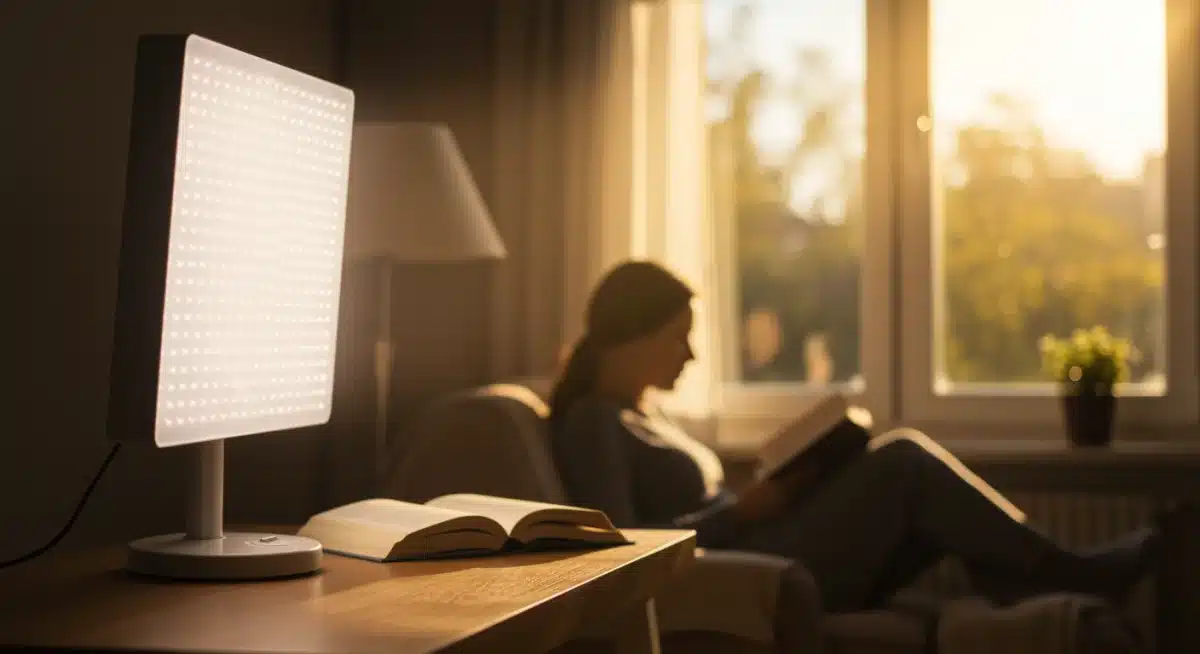
Light therapy, specifically bright light therapy, stands as a cornerstone in the treatment of winter-onset Seasonal Affective Disorder. Its effectiveness stems from mimicking natural outdoor light, thereby helping to reset the body’s circadian rhythm and regulate mood-influencing neurochemicals. As we look to 2025, advancements in light therapy devices make it more accessible and user-friendly than ever before.
The principle behind light therapy is straightforward: exposure to a special light box that emits bright, full-spectrum light. This light, typically much brighter than indoor lighting, signals the brain to reduce melatonin production and increase serotonin, counteracting the biological shifts that contribute to SAD symptoms. Consistency is crucial for optimal results, with daily sessions usually recommended for 20-60 minutes, preferably in the morning.
choosing the right light box
Not all light boxes are created equal. When selecting a device, several factors should be considered to ensure both safety and efficacy. The ideal light box emits 10,000 lux of light and filters out most of the harmful UV rays. It should also be designed for SAD treatment, not just general illumination.
- Lux intensity: Aim for 10,000 lux for effective treatment within a reasonable timeframe.
- UV filtration: Ensure the device filters out UV light to protect your eyes and skin.
- Light type: Full-spectrum white light is generally recommended.
- Portability and design: Consider models that fit seamlessly into your daily routine, whether at home or in the office.
While light therapy is generally safe, it’s wise to consult with a healthcare provider before starting, especially if you have eye conditions or are taking medications that increase light sensitivity. They can help determine the appropriate duration and intensity for your specific needs, ensuring a personalized and effective treatment plan.
Integrating light therapy into your daily routine can significantly alleviate SAD symptoms, providing a much-needed boost during the darker months. Consistency and proper usage are key to unlocking its full potential, making it a powerful tool in your winter wellness arsenal for 2025.
Strategy 2: nutrition and dietary adjustments
What we eat profoundly impacts our mood and energy, especially when battling Seasonal Affective Disorder. During winter, our bodies often crave comfort foods high in carbohydrates, which can lead to energy crashes and exacerbate feelings of sluggishness. Making informed dietary choices can play a pivotal role in stabilizing mood and enhancing overall well-being. Focusing on nutrient-dense foods supports brain health and helps regulate bodily functions that are often disrupted by SAD.
A balanced diet rich in specific vitamins and minerals can help mitigate some of the biological factors contributing to SAD. For instance, vitamin D, often called the ‘sunshine vitamin,’ is crucial for mood regulation and is typically deficient during winter due to reduced sun exposure. Incorporating foods high in omega-3 fatty acids, known for their anti-inflammatory properties and role in brain function, can also be beneficial. It’s about nourishing your body to support your mind.
key nutrients for mood support
Certain nutrients are particularly important for maintaining mental well-being and can be strategically incorporated into your diet to combat SAD symptoms.
- Vitamin D: Found in fatty fish (salmon, mackerel), fortified dairy products, and some cereals. Supplementation might be necessary during winter months, but always consult a doctor.
- Omega-3 fatty acids: Abundant in flaxseeds, chia seeds, walnuts, and fatty fish. These support brain health and have been linked to reduced depressive symptoms.
- B vitamins: Essential for neurotransmitter production, found in whole grains, leafy greens, and lean meats.
- Complex carbohydrates: Unlike simple sugars, complex carbs from whole grains, legumes, and vegetables provide sustained energy and can boost serotonin levels without the crash.
Minimizing processed foods, excessive sugar, and caffeine can also prevent mood swings and energy dips. Hydration is another often-overlooked aspect; drinking plenty of water supports all bodily functions, including brain activity. By consciously adjusting your diet, you provide your body with the fuel it needs to better cope with the challenges of winter, strengthening your resilience against SAD.
Strategy 3: consistent exercise and outdoor activity
Physical activity is a potent antidote to the lethargy and low mood associated with Seasonal Affective Disorder. Regular exercise, even in moderate amounts, can significantly elevate mood, reduce stress, and improve sleep quality. This is particularly vital during the winter months when natural inclinations often steer us towards inactivity. Making a conscious effort to integrate movement into your daily routine can be a game-changer for managing SAD in 2025.
Exercise triggers the release of endorphins, natural mood boosters that can alleviate feelings of depression and anxiety. Beyond the chemical benefits, physical activity provides a sense of accomplishment and can serve as a valuable distraction from negative thoughts. The key is to find activities you genuinely enjoy, making it easier to stick to a routine even when motivation is low. This personal connection to your workout can transform it from a chore into a therapeutic practice.
embracing the outdoors, even in winter
While indoor workouts are beneficial, combining exercise with outdoor exposure, even on cloudy days, offers additional advantages for SAD sufferers. Natural light, even indirect, can still influence your circadian rhythm and provide some of the benefits of light therapy.
- Morning walks: A brisk walk early in the day can expose you to natural light and kickstart your metabolism.
- Winter sports: Activities like skiing, snowboarding, or even ice skating offer excellent physical activity and a chance to enjoy the winter landscape.
- Layering for comfort: Dress appropriately for the weather to ensure outdoor activities remain enjoyable and safe.
- Short bursts of activity: Even 10-15 minutes of outdoor time can make a difference if longer periods aren’t feasible.
The combination of physical exertion and exposure to the elements helps to combat the feelings of isolation and sluggishness often experienced during winter. It reinforces a connection with the outside world and reminds your body of the natural day-night cycle. Prioritizing consistent exercise and seeking opportunities for outdoor activity are powerful strategies for maintaining mental well-being and mitigating the effects of SAD.
Strategy 4: cultivating mental resilience and mindfulness
Beyond physical interventions, building mental resilience and practicing mindfulness are critical for managing Seasonal Affective Disorder. These strategies equip individuals with tools to navigate challenging emotions and maintain a positive outlook, even during the darkest days of winter. Developing a robust mental toolkit helps to reframe negative thought patterns and foster a sense of control over one’s emotional landscape.
Mindfulness involves focusing on the present moment, observing thoughts and feelings without judgment. This practice can reduce rumination, a common symptom of depression, and promote a greater sense of calm. Resilience, on the other hand, is the ability to bounce back from adversity. Both are skills that can be learned and strengthened over time, offering enduring benefits that extend beyond the winter months. Incorporating these practices into daily life can create a buffer against the emotional toll of SAD.
practical mindfulness and resilience techniques
Several accessible techniques can help cultivate mental resilience and mindfulness, providing immediate relief and long-term coping mechanisms.
- Daily meditation: Even short sessions (5-10 minutes) can improve focus and reduce stress. Guided meditations are widely available.
- Journaling: Writing down thoughts and feelings can help process emotions and identify patterns. It’s a powerful tool for self-reflection.
- Gratitude practice: Regularly acknowledging things you’re grateful for can shift perspective and foster positivity.
- Setting realistic goals: Breaking down larger tasks into smaller, achievable steps can prevent overwhelm and build confidence.
- Connecting with others: Maintaining social connections, even virtually, combats isolation and provides emotional support.
These practices are not quick fixes but rather ongoing commitments to mental well-being. By consistently engaging in mindfulness and resilience-building activities, you empower yourself to better manage the emotional fluctuations associated with SAD. These strategies foster a proactive approach to mental health, transforming how you experience and respond to seasonal changes. They are essential components of a holistic winter wellness plan.
The importance of professional support and personalized plans
While self-help strategies are incredibly valuable, recognizing when to seek professional support is paramount in managing Seasonal Affective Disorder effectively. SAD is a clinical condition, and for many, a personalized treatment plan developed with a healthcare professional can make a significant difference. Therapists, doctors, and psychiatrists offer expertise that can guide you through diagnosis, treatment options, and long-term management strategies, ensuring a comprehensive approach to your well-being.
A mental health professional can provide a formal diagnosis, rule out other conditions, and recommend treatments tailored to your specific needs and severity of symptoms. This might include psychotherapy, such as cognitive-behavioral therapy (CBT), which has been shown to be effective for SAD. They can also advise on medication, if necessary, and help integrate various strategies into a coherent and effective plan. The goal is to create a support system that addresses all facets of your experience with SAD.
when to seek professional help
It can sometimes be challenging to distinguish between typical winter blues and SAD. However, certain indicators suggest it’s time to reach out to a professional.
- Severe symptoms: If your symptoms are intense and significantly impair your daily functioning, work, or relationships.
- Lack of improvement: If self-help strategies haven’t provided sufficient relief, or if your symptoms worsen.
- Thoughts of self-harm: Any thoughts of harming yourself or others require immediate professional intervention.
- Co-occurring conditions: If you have other mental health conditions that might be exacerbated by SAD, or if you’re taking other medications.
Remember, seeking help is a sign of strength, not weakness. A professional can offer invaluable guidance, support, and resources to help you navigate the complexities of SAD. They can help you develop a robust, personalized plan that combines the best available treatments and strategies, empowering you to reclaim your winter wellness and thrive throughout the year.
Integrating strategies for holistic winter wellness
Successfully managing Seasonal Affective Disorder in 2025: 4 Time-Sensitive Strategies for Winter Wellness demands a proactive and integrated approach. By understanding the nature of SAD and implementing a combination of light therapy, thoughtful nutritional choices, consistent physical activity, and robust mental resilience techniques, individuals can significantly mitigate its impact. Remember, winter wellness is an ongoing journey, and embracing these strategies, coupled with professional support when needed, empowers you to not just survive but thrive during the colder months, ensuring your mental health remains a priority year-round.
The synergy between these approaches is key. For instance, light therapy can boost your energy, making it easier to engage in physical activity. A nutrient-rich diet supports the brain chemistry necessary for positive mood, which in turn enhances your ability to practice mindfulness. This interconnectedness means that progress in one area often positively impacts others, creating a virtuous cycle of well-being. It’s an active commitment to your health that yields comprehensive benefits.
creating your personalized sad action plan
Developing a personalized action plan involves assessing your individual needs and preferences, then strategically weaving these different approaches into your daily life. This isn’t a one-size-fits-all solution; what works best for one person might need adjustment for another. The goal is to build a sustainable routine that feels manageable and effective.
- Assess your baseline: Understand your current symptoms, energy levels, and dietary habits.
- Prioritize strategies: Identify which strategies resonate most with you and start there.
- Schedule consistently: Integrate light therapy, exercise, and meal planning into your daily or weekly schedule.
- Track progress: Keep a journal to monitor how different strategies impact your mood and energy.
- Be flexible: Life happens; be prepared to adjust your plan as needed without self-judgment.
- Seek feedback: Regularly check in with a healthcare professional to refine your plan.
By consciously integrating these diverse strategies, you create a robust framework for winter wellness. This proactive approach not only helps manage existing SAD symptoms but also builds resilience, preparing you for future seasonal changes. Embracing a holistic perspective ensures that you are addressing SAD from multiple angles, leading to a more balanced and thriving life year-round.
| Key Strategy | Brief Description |
|---|---|
| Light Therapy | Daily exposure to 10,000 lux light to regulate circadian rhythm and mood. |
| Nutritional Adjustments | Focus on Vitamin D, Omega-3s, and complex carbs to support brain health. |
| Consistent Exercise | Regular physical activity, including outdoor exposure, boosts mood and energy. |
| Mental Resilience | Practicing mindfulness and gratitude to manage emotions and foster positivity. |
Frequently asked questions about SAD
SAD is a type of depression that occurs seasonally, typically starting in late fall or early winter and ending in spring. It’s characterized by symptoms like low mood, fatigue, increased appetite, and oversleeping, impacting daily life and overall well-being due to reduced natural light.
Light therapy uses a special light box emitting bright, full-spectrum light to mimic natural sunlight. This helps regulate the body’s circadian rhythm, increase serotonin levels, and decrease melatonin production, counteracting the biological changes that contribute to SAD symptoms.
While no food cures SAD, a diet rich in Vitamin D (fatty fish, fortified foods), Omega-3 fatty acids (flaxseeds, walnuts), and complex carbohydrates (whole grains) can support mood regulation and energy levels. Reducing processed foods and sugar is also beneficial.
Exercise is crucial. It releases endorphins, which are natural mood boosters, reduces stress, and improves sleep quality. Regular physical activity, especially outdoors, can significantly combat lethargy and low mood associated with SAD, enhancing overall mental well-being.
You should seek professional help if your symptoms are severe, significantly impair daily life, don’t improve with self-help strategies, or if you experience thoughts of self-harm. A healthcare professional can provide diagnosis, personalized treatment, and ongoing support.
Conclusion
Navigating Seasonal Affective Disorder in 2025: 4 Time-Sensitive Strategies for Winter Wellness demands a proactive and integrated approach. By understanding the nature of SAD and implementing a combination of light therapy, thoughtful nutritional choices, consistent physical activity, and robust mental resilience techniques, individuals can significantly mitigate its impact. Remember, winter wellness is an ongoing journey, and embracing these strategies, coupled with professional support when needed, empowers you to not just survive but thrive during the colder months, ensuring your mental health remains a priority year-round.