Rural America’s Public Health: 2026 Challenges & Solutions
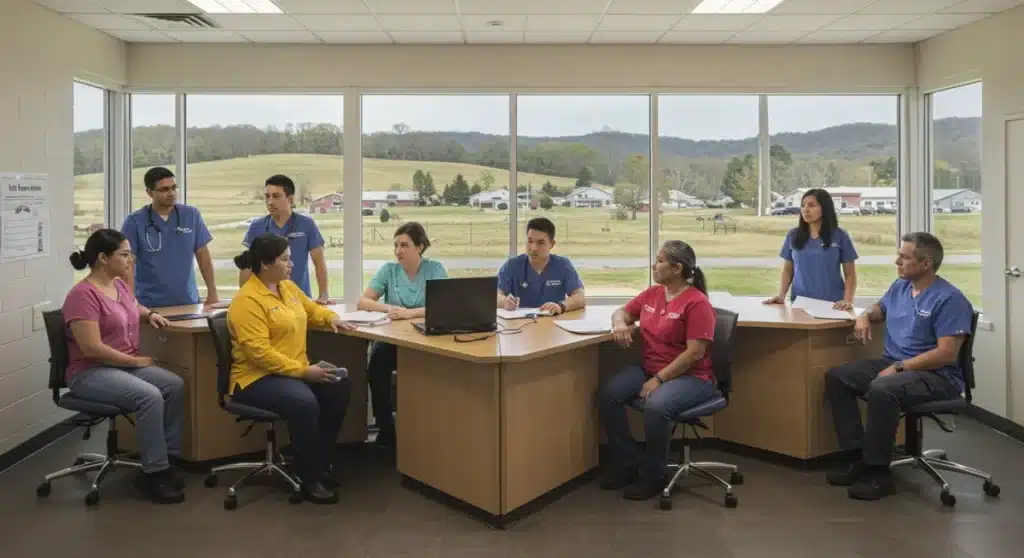
Rural America in 2026 grapples with significant public health challenges, primarily revolving around inadequate healthcare infrastructure, escalating mental health crises, and the ongoing opioid epidemic, all demanding targeted, collaborative solutions.
The landscape of public health in rural America is constantly evolving, presenting unique and often formidable obstacles. In 2026, these challenges are more pronounced than ever, demanding innovative and integrated approaches. This article delves into
understanding the 3 key public health challenges facing rural America in 2026 and practical solutions to address them, aiming to foster healthier, more resilient rural communities.
Healthcare access and infrastructure disparities
Rural communities often contend with a severe lack of accessible healthcare services, a challenge that has only intensified over recent years. This disparity impacts everything from routine check-ups to emergency care, creating a significant barrier to overall community well-being. The issue is multifaceted, encompassing both physical access to facilities and the availability of qualified medical personnel.
The closure of rural hospitals continues to be a critical concern. These closures leave vast geographical areas without nearby emergency services, maternity care, or specialized treatments. Patients often face long travel times, which can be detrimental in acute situations and discourage preventative care.
Challenges in rural healthcare infrastructure
- Hospital closures: Many rural hospitals operate on thin margins and struggle with declining patient populations and reimbursement rates, leading to closures.
- Workforce shortages: There’s a chronic shortage of physicians, nurses, and other healthcare professionals willing to practice in rural areas due to lower pay, fewer professional development opportunities, and isolation.
- Lack of specialized services: Access to specialists, such as cardiologists, oncologists, or neurologists, is severely limited, forcing rural residents to travel great distances for essential care.
Beyond the physical infrastructure, the digital divide also plays a role. Many rural areas lack reliable broadband internet, which is crucial for telemedicine and electronic health records. Without this connectivity, modern healthcare delivery models are significantly hampered.
Addressing these infrastructural disparities requires a multi-pronged approach. This includes federal and state funding initiatives to support rural hospitals, incentives for healthcare professionals to practice in underserved areas, and robust investment in rural broadband expansion. Community involvement is also vital in identifying specific local needs and advocating for tailored solutions.
The escalating mental health crisis
Mental health challenges in rural America are reaching critical levels, often overlooked and undertreated due to a combination of stigma, limited resources, and geographical barriers. The unique stressors of rural life, including economic hardships, social isolation, and agricultural pressures, contribute significantly to these issues. In 2026, the need for comprehensive mental health support in these areas is more urgent than ever.
The scarcity of mental health professionals in rural areas is a primary concern. Many counties have no psychiatrists or psychologists, leaving primary care physicians to manage complex mental health conditions, often without adequate training or resources. This creates a significant treatment gap, where individuals in need simply cannot access the help they require.
Social stigma surrounding mental illness is also particularly pervasive in rural communities. There’s often a cultural reluctance to seek help, viewing mental health issues as a personal failing rather than a medical condition. This stigma can prevent individuals from even acknowledging their struggles, much less seeking professional intervention.
Addressing mental health in rural settings
- Telehealth expansion: Leveraging telemedicine platforms can connect rural residents with mental health professionals located elsewhere, overcoming geographical barriers.
- Community-based programs: Developing local support groups, peer counseling, and mental health first aid training can build resilience and reduce stigma at the community level.
- Integrated care models: Incorporating mental health screenings and basic interventions into primary care settings can improve early detection and treatment.
Economic factors also play a substantial role. Farmers, for instance, face immense pressure from fluctuating markets, unpredictable weather, and rising operational costs, leading to high rates of stress, anxiety, and depression. The lack of affordable and accessible mental health services exacerbates these issues, often resulting in tragic outcomes.
To effectively combat the rural mental health crisis, a concerted effort is needed to destigmatize mental illness, expand access to care through innovative delivery models, and integrate mental health support into existing community structures. This holistic approach is essential for fostering mentally healthy rural populations.
The persistent opioid epidemic
While national attention on the opioid crisis may have shifted, its devastating impact continues to plague rural America in 2026. These communities often bear the brunt of the epidemic due to factors like higher rates of chronic pain from physically demanding jobs, limited access to pain management alternatives, and insufficient resources for treatment and recovery. The human cost is immeasurable, affecting families, local economies, and the social fabric of these areas.
Rural areas often have a higher proportion of residents engaged in occupations that involve physical labor, leading to increased rates of workplace injuries and chronic pain. This, coupled with historical prescribing practices, contributed to a cycle of opioid dependence. When access to prescription opioids became restricted, many turned to illicit substances, further complicating the crisis.
The lack of comprehensive treatment facilities is a critical barrier. Rural communities often lack access to medication-assisted treatment (MAT) programs, counseling services, and long-term recovery support. This forces individuals seeking help to travel significant distances, which can be logistically and financially challenging, if not impossible.
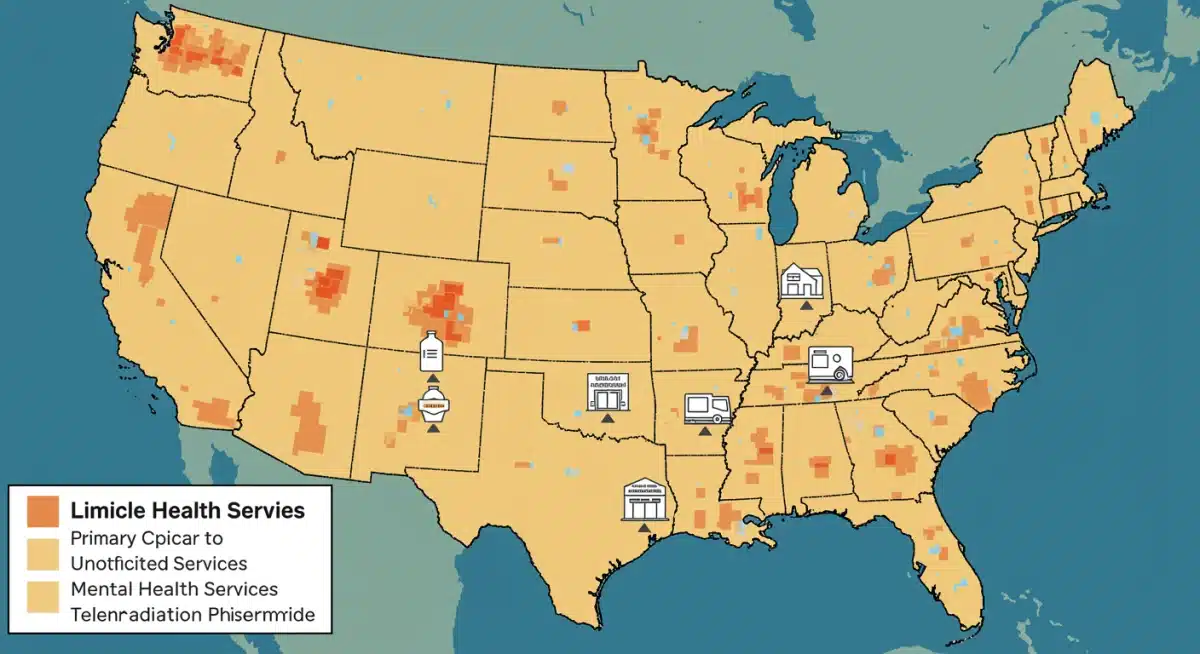
Combating the opioid crisis in rural areas
- Expanding MAT access: Increasing the number of providers certified to administer MAT and establishing mobile MAT clinics can bring treatment directly to underserved populations.
- Harm reduction strategies: Implementing syringe service programs, distributing naloxone, and offering overdose prevention education can save lives and connect individuals to care.
- Community-led recovery: Supporting local peer recovery programs and sober living initiatives can provide crucial social support for individuals on their recovery journey.
The stigma associated with substance use disorder also acts as a significant deterrent to seeking help. In close-knit rural communities, fear of judgment and social ostracization can prevent individuals from admitting their struggles and accessing necessary treatment. This silence only allows the epidemic to fester.
A truly effective response to the opioid crisis in rural America requires a multifaceted approach that combines prevention, treatment, and harm reduction strategies. This includes educating communities, expanding access to evidence-based treatments, and fostering a supportive environment for recovery. Only through such comprehensive efforts can rural communities begin to heal from the pervasive reach of this epidemic.
Innovative solutions for healthcare access
Addressing the persistent issue of healthcare access in rural America demands more than traditional approaches; it requires innovation and a willingness to rethink how health services are delivered. The solutions for 2026 must be adaptable, technology-driven, and deeply embedded within community structures to truly make a difference. These innovations aim to bridge the geographical and professional gaps that have historically disadvantaged rural populations, ensuring that quality care is not a privilege but a right for all.
Telemedicine, already a vital tool, is set to become even more sophisticated and widespread. Beyond simple video consultations, advancements in remote monitoring technologies and AI-powered diagnostics will allow for more comprehensive care to be delivered without a patient needing to leave their home. This is particularly transformative for chronic disease management and specialist consultations, significantly reducing the burden of travel.
Key innovative healthcare solutions
- Mobile health clinics: Deploying fully equipped mobile units can bring primary care, dental services, and even specialized screenings directly to remote communities on a scheduled basis.
- Community health workers (CHWs): Training and deploying CHWs from within the community can help residents navigate the healthcare system, provide basic health education, and facilitate access to local resources.
- Rural residency programs: Expanding medical residency programs specifically designed for rural practice, often with financial incentives, can attract and retain more healthcare professionals in underserved areas.
Another promising avenue is the development of robust spoke-and-hub models for healthcare delivery. This involves a central, larger medical facility (the hub) supporting smaller, satellite clinics or points of care (the spokes) in surrounding rural areas. This model allows for shared resources, specialist consultations via telehealth, and more efficient patient referrals, optimizing the use of limited rural healthcare assets.
Furthermore, leveraging technology to create centralized digital health platforms can streamline patient records, appointment scheduling, and communication between providers, regardless of their physical location. This interoperability is crucial for coordinated care, especially for patients with complex needs or those who see multiple providers. By embracing these innovative solutions, rural America can begin to dismantle the long-standing barriers to equitable healthcare access.
Integrated approaches to mental health care
Tackling the mental health crisis in rural America requires a shift from isolated services to integrated care models that address the whole person within their community context. In 2026, the focus is on breaking down the silos between physical and mental health, making mental health support a seamless and accessible component of overall well-being. This integration is vital for overcoming stigma and ensuring that mental health care is seen as an essential part of primary health.
One of the most effective integrated approaches is the co-location of mental health services within primary care clinics. When a patient visits their family doctor, they can also be screened for mental health concerns and, if needed, receive immediate counseling or referral to an on-site mental health professional. This reduces the need for separate appointments, minimizes travel, and normalizes seeking help for mental health issues.
Strategies for integrated mental health care
- Collaborative care models: Implementing models where primary care providers, mental health specialists, and care managers work together as a team to treat patients with mental health conditions.
- School-based mental health: Integrating mental health services directly into rural schools, providing counseling, early intervention, and support for children and adolescents.
- Digital mental health tools: Utilizing apps, online therapy platforms, and virtual support groups to provide accessible and discreet mental health resources, especially for those hesitant to seek in-person care.
Another critical component is strengthening the capacity of existing community organizations to offer mental health support. This includes training community leaders, faith-based organizations, and local non-profits to recognize mental health distress and provide initial support or connect individuals to professional help. These trusted community figures can play a crucial role in destigmatizing mental illness and fostering a supportive environment.
Furthermore, expanding access to peer support specialists – individuals with lived experience of mental health recovery – can offer invaluable guidance and empathy. These specialists can connect with individuals on a deeper level, providing hope and practical strategies for navigating their mental health journey. By weaving mental health support into the fabric of daily life and existing community structures, rural America can build a more resilient and mentally healthy population.
Community-led efforts against the opioid crisis
Effectively confronting the opioid crisis in rural America goes beyond clinical interventions; it demands robust, community-led initiatives that empower local residents to take ownership of prevention, treatment, and recovery efforts. In 2026, the most successful strategies are those that are tailored to the unique needs and resources of each rural community, fostering a sense of collective responsibility and mutual support. These grassroots efforts are essential for creating sustainable change and healing.
One powerful community-led approach is the formation of local opioid task forces or coalitions. These groups, often comprising law enforcement, healthcare providers, educators, faith leaders, and community members, can collectively identify local needs, share resources, and coordinate responses. They can develop localized prevention campaigns, establish accessible naloxone distribution points, and advocate for policy changes that support their efforts.
Essential community-led strategies
- Peer recovery networks: Establishing and strengthening local networks of individuals in recovery who can provide mentorship, support, and a safe space for others struggling with substance use disorder.
- Youth prevention programs: Implementing evidence-based prevention programs in schools and youth organizations to educate young people about the dangers of opioid misuse and build refusal skills.
- Safe medication disposal: Organizing regular community take-back events for unused prescription medications and installing permanent drop-off boxes to prevent diversion and accidental exposure.
Another vital component is the integration of harm reduction strategies directly into community life. This includes widespread education on overdose recognition and the administration of naloxone, equipping first responders, family members, and even community bystanders with the tools to save lives. Making naloxone readily available and reducing the stigma around its use is paramount in rural settings where emergency services may be geographically distant.
Furthermore, fostering economic development and creating opportunities for meaningful employment can address some of the underlying social determinants that contribute to substance misuse. When communities thrive, and individuals have pathways to success, the appeal of substance use often diminishes. By empowering local leaders and residents to drive these initiatives, rural America can build stronger, more resilient communities capable of overcoming the opioid crisis and fostering lasting recovery.
| Key Challenge | Brief Description |
|---|---|
| Healthcare Access | Limited facilities, workforce shortages, and long travel times hinder rural residents from accessing essential medical services. |
| Mental Health Crisis | High rates of stress and isolation combined with a severe lack of mental health professionals and persistent stigma. |
| Opioid Epidemic | Ongoing struggle with substance use due to chronic pain, limited treatment options, and continued stigma in rural areas. |
| Practical Solutions | Innovative strategies including telehealth, mobile clinics, integrated care, and community-led initiatives are vital for improvement. |
Frequently Asked Questions about Rural Public Health
The primary barrier is often the lack of accessible healthcare facilities and a severe shortage of medical professionals. This forces rural residents to travel long distances for care, impacting timely treatment and preventative health efforts, exacerbating existing health disparities across these communities.
Rural communities face higher rates of mental health issues due to isolation and economic stress, coupled with a critical scarcity of mental health professionals. Stigma also plays a significant role, deterring individuals from seeking necessary help, leading to untreated conditions and worsened outcomes.
Factors contributing to the rural opioid crisis include higher rates of chronic pain from physically demanding jobs, limited access to alternative pain management, and insufficient resources for treatment and recovery. The transition from prescription to illicit opioids further complicates efforts to control the epidemic.
Innovative solutions include expanding telemedicine services, deploying mobile health clinics, and establishing rural residency programs to attract medical professionals. Community health workers also play a crucial role in connecting residents with resources and navigating complex healthcare systems, enhancing local access.
Communities can contribute by forming local task forces, supporting peer recovery networks, and implementing youth prevention programs. Educating residents on harm reduction strategies and fostering a supportive environment for mental health and recovery are also crucial for sustainable improvements in public health.
Conclusion
The public health landscape of rural America in 2026 presents a complex web of challenges, from critical healthcare access issues and an escalating mental health crisis to the persistent grip of the opioid epidemic. However, these challenges are not insurmountable. Through a combination of innovative technological solutions like expanded telemedicine and mobile clinics, integrated care models that blend physical and mental health services, and robust community-led initiatives, significant progress can be made. The path forward requires sustained investment, collaborative efforts from all levels of government, healthcare providers, and the unwavering commitment of rural communities themselves to build healthier, more resilient futures. By focusing on these practical and comprehensive solutions, rural America can begin to overcome its unique public health hurdles.