Remote learning innovation 2025: Transforming education for all
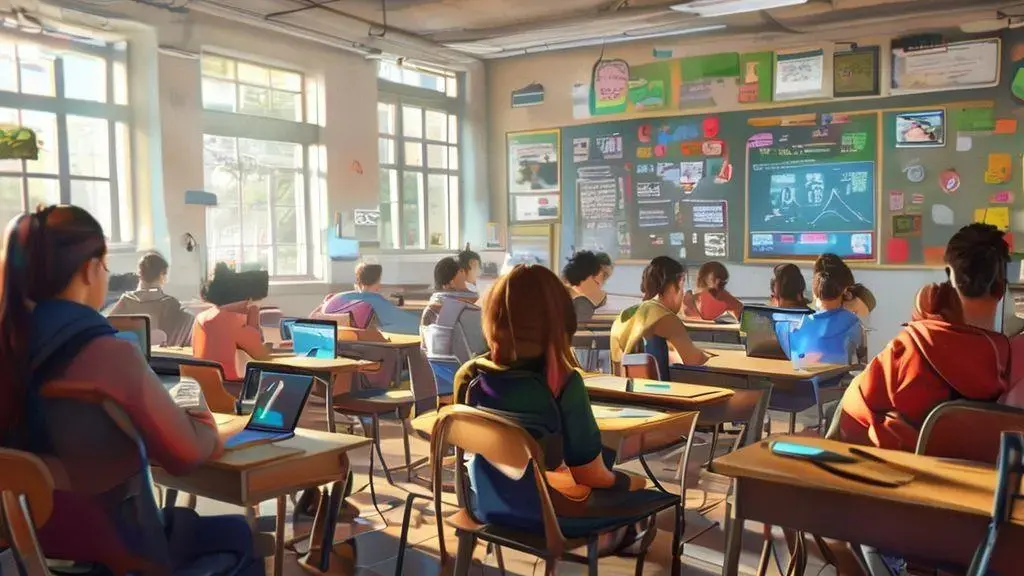
Remote learning innovations, including interactive tools and flexible learning paths, enhance engagement and accessibility, making education more effective for students and educators alike.
Remote learning innovation 2025 is set to change the educational landscape significantly. As we adapt to new modes of learning, it’s fascinating to consider how technology will enhance our educational experiences. What does this mean for learners and educators alike?
The evolution of remote learning technologies
The evolution of remote learning technologies has significantly shaped how education is delivered today. With rapid advancements, both educators and students are adapting to new tools and platforms that facilitate learning outside traditional classrooms.
Key Technologies in Remote Learning
Several technologies have emerged as pivotal in supporting remote learning. These innovations enhance engagement and make learning more accessible for everyone.
- Video Conferencing Tools: These platforms allow real-time interaction between instructors and students, bridging geographical gaps.
- Learning Management Systems (LMS): LMS platforms centralize resources, assignments, and communication, making it easier for students to manage their learning.
- Interactive Learning Resources: From simulations to interactive videos, these materials offer students valuable hands-on experiences.
- Mobile Learning Applications: Apps allow learners to access content anytime, anywhere, promoting flexibility in education.
As we continue into the future, the integration of artificial intelligence is becoming more prevalent. AI can personalize learning experiences by analyzing student performance and adapting content to meet individual needs. This customization can lead to improved outcomes and greater engagement.
The Role of Collaboration Tools
Collaboration is essential in remote learning environments. Tools that promote teamwork and communication have transformed how students engage with one another. Virtual group projects have become commonplace, encouraging students to work together regardless of their physical locations.
Moreover, platforms that facilitate peer feedback and discussion forums enable learners to share ideas and insights, enriching the overall learning experience. These collaborative opportunities foster a sense of community, essential for effective learning.
As remote learning continues to evolve, it’s clear that the technologies shaping this landscape will keep advancing. Staying informed on these developments is crucial for educators and learners alike to optimize their educational journeys.
Benefits of adopting innovative remote learning
The benefits of adopting innovative remote learning go beyond mere convenience. These advancements can enhance the educational experience for both students and educators, making learning more engaging and effective.
Enhanced Flexibility
One major advantage of remote learning is the flexibility it offers. Students can access materials and lessons at their own pace, allowing for a personalized learning experience.
- Choose their own study times to fit personal schedules.
- Revisit recorded lectures for better understanding.
- Experiment with different learning styles, such as visual and auditory.
- Balance studies with work or family commitments more easily.
This personalized approach ensures that learners can absorb information in a way that suits them best, increasing retention.
Access to Resources
Remote learning technologies provide unparalleled access to a wealth of online resources. Students can explore various educational platforms, which can greatly enhance their learning experience. These include:
- Interactive simulations and virtual labs.
- Online libraries and research databases.
- Collaborative tools that support group work.
- Access to expert guest speakers through webinars.
This diverse set of resources helps students to engage deeply with the material and cultivate critical thinking skills. Moreover, a wide range of educational materials can cater to different interests and specialties.
Another significant benefit is the increased reach of educational programs. Students from remote areas now have access to quality education that was previously unavailable to them. This can greatly contribute to leveling the playing field in education, providing opportunities for everyone.
Improved Learning Outcomes
Studies have shown that students who engage in innovative remote learning often demonstrate improved performance. The use of engaging technology and continuous assessment tools allows for a more dynamic learning environment. This helps educators identify areas where students may struggle and provide timely intervention.
Furthermore, remote learning encourages self-discipline and responsibility as students must take charge of their own education. This fosters not only academic success but also personal growth.
Challenges faced by students and educators
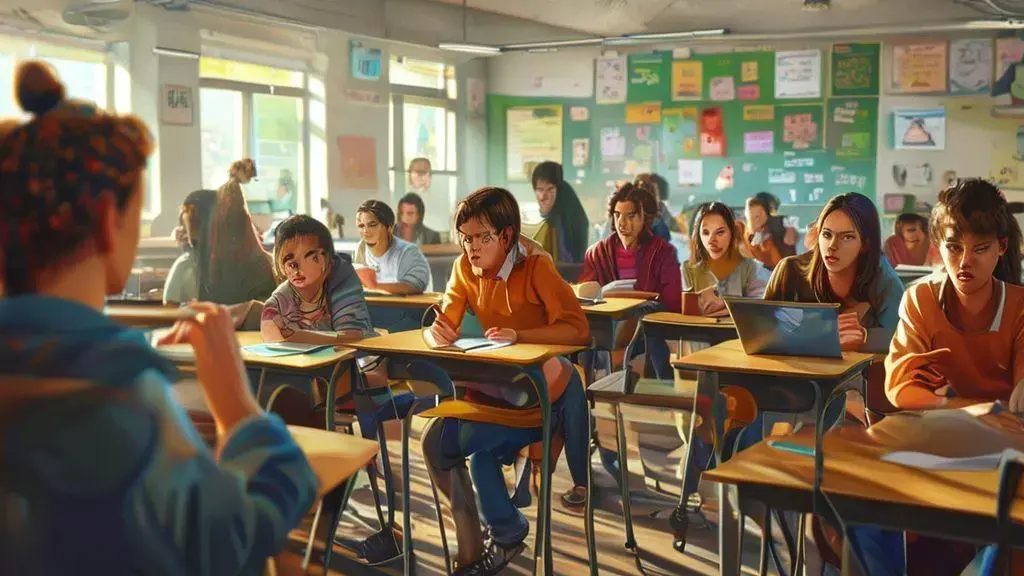
Despite the advantages of remote learning innovations, both students and educators face several challenges that can impact the overall effectiveness of the learning experience.
Engagement and Motivation
One major challenge is maintaining student engagement. Without the physical presence of a classroom, some students may struggle to stay focused during online lessons. This often leads to decreased motivation and participation.
- Distractions at home can make it hard to concentrate.
- Students may feel isolated without peer interaction.
- Virtual environments might not appeal to all learning styles.
- Lack of immediate feedback can affect understanding.
To address this, educators are finding creative ways to enhance involvement, such as incorporating interactive elements and fostering group activities.
Technological Barriers
Another significant issue is the reliance on technology. Not all students have equal access to devices or reliable internet, which can create disparities in learning opportunities.
This can lead to:
- Frustration for students who cannot connect to online classes.
- Limited access to resources needed for assignments and projects.
- Increased anxiety about falling behind compared to peers.
- Challenges for educators to provide inclusive support.
It’s essential for schools and institutions to find solutions to bridge these gaps and ensure that every student has the opportunity to succeed.
Adapting Teaching Methods
Educators also face the challenge of adapting their teaching methods. Transitioning from traditional in-person instruction to an online format requires new strategies to engage students effectively. This can be daunting for many teachers.
They must learn to utilize various digital tools and platforms, which can require significant training. Adjusting lesson plans to suit an online format and balancing synchronous and asynchronous activities adds another layer of complexity.
Moreover, assessing student performance fairly in a remote setup can be tricky, further complicating the teaching process. Educators need to develop new ways to evaluate and support their students to ensure that everyone remains on track.
Future trends in remote learning
The future trends in remote learning are rapidly evolving as technology advances and educational needs change. Emerging tools and strategies will likely shape how students learn and teachers instruct in exciting ways.
Integration of Artificial Intelligence
One major trend is the increasing integration of artificial intelligence in education. AI can create personalized learning experiences for students, adapting the curriculum based on individual progress.
- Smart tutoring systems that provide immediate feedback.
- Automated grading systems that save time for educators.
- Analyzing student data to identify learning patterns.
- Recommending resources tailored to student needs.
With these advancements, students can enjoy a learning process that is more engaging and efficient.
Blended Learning Models
Another significant trend is the shift to blended learning models. This approach combines online learning with traditional classroom instruction, allowing for flexibility and a mix of teaching methods.
Benefits include:
- Students can learn at their own pace with online materials.
- Face-to-face interaction provides immediate support and motivation.
- Teachers can tailor lessons to individual strengths and weaknesses.
- Increased collaboration opportunities among students.
This hybrid method meets diverse learning styles and preferences, creating a more inclusive environment.
Focus on Social and Emotional Learning
Future trends also emphasize the importance of social and emotional learning (SEL) in remote settings. As students navigate online environments, fostering their emotional well-being becomes crucial.
Programs focusing on SEL can help students develop essential skills such as:
- Emotional regulation and resilience.
- Effective communication and collaboration.
- Self-awareness and empathy.
- Problem-solving skills.
These skills support both academic success and personal development, preparing students for future challenges.
As these trends unfold, continuous advancements in technology and teaching methods will redefine education, creating exciting opportunities for growth and learning in remote environments.
Strategies for effective remote engagement
Implementing strategies for effective remote engagement is essential for maximizing learning outcomes in a virtual setting. Educators need to create an interactive environment that keeps students motivated and involved.
Utilizing Interactive Tools
One of the best ways to enhance student engagement is through the use of interactive tools. These tools can help make lessons more dynamic and enjoyable.
- Polls and quizzes can get instant feedback and keep students attentive.
- Discussion boards invite participation and encourage students to express their ideas.
- Virtual break-out rooms allow for small group discussions, promoting collaboration among peers.
- Gamification can turn learning into a fun and competitive experience.
By incorporating these tools, teachers can create a lively atmosphere that captures students’ interest.
Encouraging Active Participation
Active participation is vital for remote learning success. Students should feel empowered to contribute and engage actively in their learning journey. When students participate, they are more likely to absorb the material better.
To promote this, educators can:
- Ask open-ended questions that invite discussion.
- Encourage students to share their thoughts and experiences related to the topic.
- Facilitate peer-to-peer learning opportunities.
- Use brainstorming sessions to generate ideas collectively.
These techniques foster a sense of community and belonging among students, enhancing their overall remote learning experience.
Incorporating Flexible Learning Paths
Providing flexibility in learning can also improve engagement. When students can choose how they want to learn, they are more likely to stay interested in the material.
This may include allowing students to decide on project topics, choose from various resources, or select how they wish to demonstrate their learning. Flexibility encourages ownership of their education, which can lead to higher motivation and commitment to the lessons.
Using a balanced approach that includes both structured activities and opportunities for self-directed learning is key. This ensures that all students can thrive in a remote learning environment.
FAQ – Frequently Asked Questions about Remote Learning Engagement
What are some interactive tools that can enhance remote learning?
Tools like polls, quizzes, and discussion boards can keep students engaged and active during lessons.
How can I encourage active participation from students?
You can ask open-ended questions, facilitate group discussions, and provide opportunities for peer-to-peer learning.
What does flexible learning paths mean in a remote setting?
Flexible learning paths allow students to choose their project topics and learning resources, promoting ownership of their learning.
How important is collaboration in remote learning?
Collaboration fosters teamwork skills and helps build a sense of community among students, which enhances their overall learning experience.