In-Home vs. Facility Care: 2025 Data-Backed Caregiving Choices
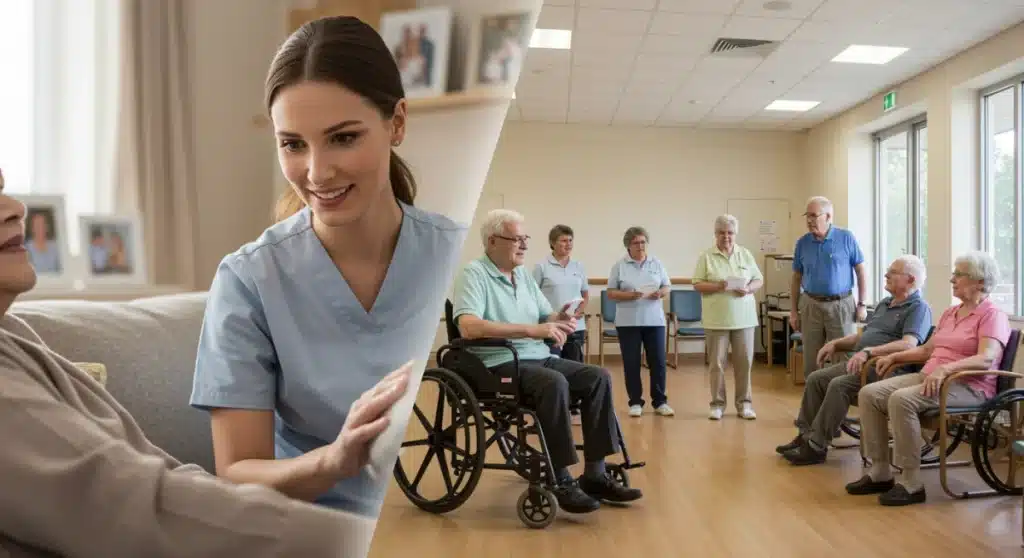
Comparing in-home vs facility care in 2025 involves evaluating evolving financial implications, quality of life factors, and the availability of specialized services to determine the most beneficial option for individuals needing long-term support.
Comparing In-Home vs. Facility Care: A Data-Backed Analysis for 2025 Caregiving Decisions
Deciding on the best care option for an aging loved one or an individual requiring long-term support is one of the most significant and often emotionally charged decisions families face. The landscape of caregiving is continually evolving, and understanding the nuances of in-home vs facility care is more critical than ever. This comprehensive analysis delves into the latest data for 2025, offering insights into the financial, emotional, and practical aspects of both choices to help you make an informed decision that aligns with your family’s needs and values.
Understanding the Landscape of In-Home Care in 2025
In-home care has long been a preferred option for many, allowing individuals to age in place within the comfort and familiarity of their own homes. As we look at 2025, the demand for in-home care continues to surge, driven by advancements in medical technology and a societal preference for maintaining independence. This section explores the various facets of in-home care, from the types of services available to the financial considerations.
The core appeal of in-home care lies in its personalized approach. Care plans are typically tailored to the individual’s specific needs, ranging from companionship and light housekeeping to skilled nursing and physical therapy. This flexibility allows for a dynamic care environment that can adapt as an individual’s condition changes, often providing a more dignified and less disruptive experience compared to transitioning into a new living situation.
Types of In-Home Care Services
The spectrum of in-home care services available has broadened considerably, offering specialized support for a variety of conditions and needs. Understanding these categories is crucial for families assessing their options.
- Personal Care: Assistance with daily activities such as bathing, dressing, grooming, and feeding.
- Companion Care: Non-medical support including companionship, meal preparation, medication reminders, and light housekeeping.
- Skilled Nursing Care: Provided by licensed medical professionals for tasks like wound care, injections, and chronic disease management.
- Therapeutic Services: Physical, occupational, and speech therapy delivered in the home setting.
The financial aspect of in-home care can vary widely. While it may seem less expensive than facility care on a per-hour basis, the cumulative cost can quickly add up, especially for individuals requiring extensive, round-the-clock support. Many families utilize a combination of private pay, long-term care insurance, and, in some cases, Medicaid or Medicare for specific services. The average hourly rate for a home health aide in 2025 is projected to be around $30, with variations based on geographic location and the level of care required. This data underscores the importance of thorough financial planning.
Ultimately, in-home care offers a compelling blend of personal comfort and tailored support, making it an attractive choice for many. However, understanding its comprehensive nature – from diverse service offerings to nuanced financial implications – is essential for families navigating care decisions in 2025.
Exploring Facility Care Options in 2025: What’s New?
Facility care encompasses a range of environments designed to provide structured support and medical supervision, offering solutions for individuals whose care needs extend beyond what can be comfortably managed at home. In 2025, these facilities are increasingly integrating advanced medical technologies and person-centered care models to enhance resident well-being. This section details the key types of facility care and their evolving roles.
The primary advantage of facility care is the constant availability of professional medical staff and a comprehensive suite of services under one roof. This can be particularly reassuring for families dealing with complex medical conditions or those requiring specialized memory care. Modern facilities are moving away from institutional models, focusing instead on creating communities that foster engagement, dignity, and a sense of belonging.
Diverse Types of Facility Care
The landscape of facility care is diverse, offering different levels of support to meet varying needs. Each type has distinct characteristics regarding care level, amenities, and cost.
- Assisted Living Facilities: Provide help with daily activities, medication management, and social opportunities, suitable for those needing some assistance but desiring independence.
- Skilled Nursing Facilities (Nursing Homes): Offer 24/7 medical care, rehabilitation services, and assistance with all activities of daily living for individuals with significant health needs.
- Memory Care Units: Specialized environments within assisted living or nursing homes designed for individuals with Alzheimer’s disease or other forms of dementia, focusing on safety and cognitive engagement.
- Continuing Care Retirement Communities (CCRCs): Offer a continuum of care levels, from independent living to skilled nursing, all on one campus, allowing residents to age in place within the same community.
The financial burden of facility care is often substantial, with costs varying significantly based on the type of facility, geographic location, and the level of care required. For instance, the average cost of an assisted living facility in 2025 is projected to be around $5,000 per month, while a private room in a nursing home could exceed $10,000 per month. These costs often include accommodation, meals, personal care, and some medical services. Funding sources can include private savings, long-term care insurance, and Medicaid for those who qualify.
Facility care, with its structured environment and comprehensive services, provides a robust solution for individuals requiring higher levels of care. The evolving models in 2025 emphasize dignity and personalized attention, making these options increasingly appealing for families seeking peace of mind and professional support.
Cost Comparison: In-Home vs. Facility Care in 2025
One of the most significant factors in the decision-making process between in-home and facility care is the financial implication. While it’s often assumed that in-home care is always cheaper, a detailed analysis for 2025 reveals a more nuanced picture. The true cost depends heavily on the level and duration of care needed, as well as geographic location.
For individuals requiring minimal assistance, such as a few hours of companion care per week, in-home care is generally more cost-effective. However, as the need for care escalates to full-time or skilled nursing levels, the costs of in-home care can quickly match or even surpass those of facility care. It’s crucial for families to calculate the total annual cost, including all services, supplies, and potential home modifications.
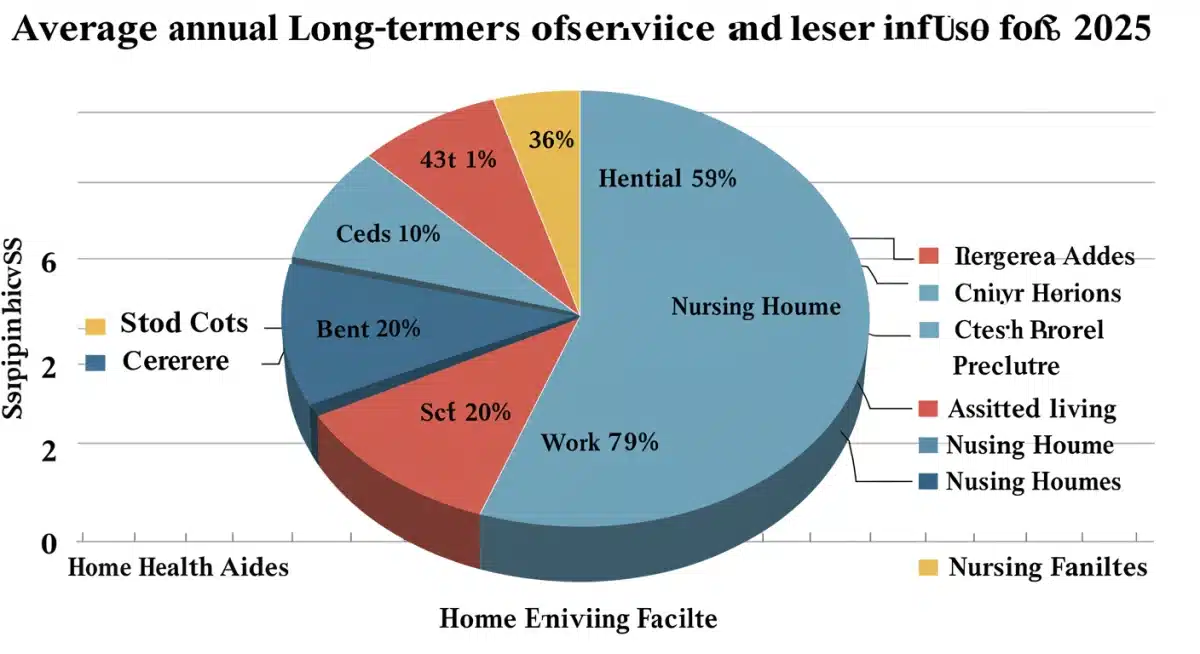
Average Annual Costs (Projected for 2025)
Understanding the projected average costs can provide a baseline for financial planning. These figures are national averages and can vary by state and specific provider.
- Home Health Aide (44 hours/week): Approximately $68,000 – $75,000 per year.
- Assisted Living Facility (Private Room): Approximately $60,000 – $70,000 per year.
- Nursing Home (Semi-Private Room): Approximately $95,000 – $105,000 per year.
- Nursing Home (Private Room): Approximately $110,000 – $120,000 per year.
Beyond direct care costs, families must also consider indirect expenses. For in-home care, this might include home modifications for accessibility, increased utility bills, and the cost of managing the care schedule. For facility care, potential additional costs could involve personal spending money, specialized therapies not covered by the base rate, and transportation for external appointments. Long-term care insurance can significantly offset these expenses, but coverage varies widely, and policies often have waiting periods and daily benefit limits.
In summary, while the initial perception might favor in-home care for its cost-effectiveness, a comprehensive financial evaluation for 2025 reveals that high-level in-home care can be as, or even more, expensive than facility care. Families must meticulously assess their loved one’s current and projected future care needs against the backdrop of these evolving cost structures.
Quality of Life and Emotional Well-being: A Key Differentiator
Beyond the financial considerations, the impact on an individual’s quality of life and emotional well-being is paramount when choosing between in-home and facility care. Both options present distinct advantages and challenges that can profoundly affect the care recipient and their family. The ultimate goal is to find an environment that fosters happiness, dignity, and a sense of purpose.
In-home care often allows individuals to maintain a strong sense of independence and familiarity. Being surrounded by personal possessions, pets, and the comfort of one’s own routine can significantly enhance emotional well-being. This environment typically facilitates easier family visits and community engagement, contributing to a feeling of continuity and belonging. However, it can also lead to social isolation if not actively managed, and family caregivers may experience burnout.
Emotional Factors to Consider
The emotional aspects of caregiving are complex and multifaceted, impacting everyone involved. Careful consideration of these points can guide families toward a more compassionate decision.
- Familiarity vs. New Environment: In-home care preserves existing routines and surroundings, while facility care introduces a new community and structure.
- Social Interaction: Facilities often provide built-in social activities and peer interaction, whereas in-home care requires proactive efforts to prevent loneliness.
- Sense of Control: Individuals in their own homes often feel more in control of their lives, while facility residents may experience a loss of autonomy.
- Family Caregiver Burden: In-home care can place significant strain on family members, whereas facility care shifts much of the daily responsibility to professionals.
Facility care, particularly assisted living and memory care units, is increasingly designed to promote social engagement and cognitive stimulation. Many facilities offer a wide array of activities, from art classes to gardening clubs, and provide opportunities for residents to form new friendships. For individuals with advanced dementia, the structured environment and specialized staff in memory care units can reduce anxiety and improve safety. However, adjusting to a new environment can be challenging, and some individuals may initially experience feelings of displacement or loneliness.
The choice between in-home and facility care is deeply personal and should prioritize the individual’s preferences, personality, and specific emotional needs. A balanced approach involves weighing the benefits of familiarity and independence against the advantages of structured support and built-in social opportunities, ensuring the chosen path genuinely enhances quality of life.
Level of Care and Medical Needs: A Critical Assessment
The specific level of care and medical needs required by an individual is perhaps the most decisive factor in determining the suitability of in-home versus facility care. While in-home care can provide a broad spectrum of services, there are clear thresholds where a facility setting becomes not just beneficial, but essential. Accurately assessing these needs is paramount for ensuring safety, health, and effective care.
For those with stable, manageable conditions, even chronic ones, in-home care can be highly effective. A team of home health aides, nurses, and therapists can manage medications, assist with daily living activities, and provide rehabilitation services. The key is ensuring that the home environment can be safely adapted and that the necessary professional support is consistently available. However, as medical needs become more complex or unpredictable, the limitations of an in-home setting can become apparent.
When Facility Care Becomes Necessary
Certain medical conditions and care requirements often necessitate the 24/7 supervision and comprehensive resources that only a facility can provide. Recognizing these indicators early can prevent crises and ensure continuous, high-quality care.
- 24/7 Skilled Nursing: Conditions requiring constant medical monitoring, complex procedures, or frequent interventions that cannot be reliably provided at home.
- Advanced Dementia: Individuals who wander, exhibit aggressive behaviors, or require specialized memory care programs for safety and cognitive engagement.
- Frequent Falls/Mobility Issues: When the risk of falls is high, and the home cannot be adequately secured, or when extensive physical assistance is needed for transfers and mobility.
- Multiple Chronic Conditions: Managing several complex health issues simultaneously often benefits from the coordinated care and immediate medical access found in facilities.
Facility care, especially skilled nursing facilities, offers an environment equipped with trained medical professionals around the clock, access to specialized equipment, and protocols for emergency response. This provides a level of security and medical oversight that is difficult, if not impossible, to replicate in a private home. For individuals recovering from surgery, stroke, or managing severe chronic illnesses, the integrated medical team and rehabilitation services in a facility can significantly improve outcomes.
Ultimately, a thorough medical assessment by healthcare professionals is crucial. Families should consider not only current needs but also potential future progression of conditions. The decision should prioritize the individual’s safety, the efficacy of medical interventions, and the ability to consistently deliver the required level of care, whether at home or in a specialized facility.
Technological Innovations and Future Outlook for Caregiving in 2025
The year 2025 marks a pivotal point in caregiving, with technological innovations increasingly blurring the lines and enhancing capabilities in both in-home and facility care. From smart home devices to advanced telehealth platforms, technology is playing a transformative role in improving safety, efficiency, and the overall quality of care. Understanding these advancements is key to navigating future caregiving decisions.
In-home care is particularly benefiting from smart home technology. Devices that monitor vital signs, detect falls, and provide medication reminders are becoming more sophisticated and user-friendly. Telehealth appointments allow individuals to consult with doctors and specialists from their living rooms, reducing the need for transportation and making healthcare more accessible. These innovations empower individuals to maintain independence longer and provide families with greater peace of mind.
Key Technological Advancements
The integration of technology into caregiving is not just about convenience; it’s about creating safer, more efficient, and more connected care environments. Here are some notable advancements for 2025:
- Remote Monitoring Systems: Wearable devices and in-home sensors that track activity levels, sleep patterns, and vital signs, alerting caregivers to potential issues.
- Telemedicine and Virtual Consultations: Expanding access to medical professionals through video calls, especially beneficial for individuals with mobility challenges or in rural areas.
- AI-Powered Companions: Robotic or voice-activated assistants that offer companionship, reminders, and even cognitive stimulation for those experiencing loneliness or cognitive decline.
- Medication Management Devices: Automated dispensers and smart pillboxes that ensure medications are taken correctly and on schedule.
Facility care is also leveraging technology to enhance resident experiences and operational efficiency. Electronic health records (EHR) systems streamline communication among care teams, ensuring seamless transitions of care. Advanced security systems, including discreet monitoring and wander management technologies, provide a safer environment for residents with cognitive impairments. Furthermore, virtual reality (VR) and augmented reality (AR) are being explored for therapeutic purposes, offering engaging activities and cognitive exercises.
The future outlook for caregiving in 2025 is one of increased integration and personalization through technology. These innovations not only support caregivers by providing valuable data and alerts but also empower care recipients to live more independently and safely, regardless of whether they are in their own home or a specialized facility. Staying informed about these technological trends is crucial for making forward-thinking care decisions.
Making the Right Choice: A Holistic Approach
The decision between in-home and facility care is rarely straightforward, involving a complex interplay of factors that extend beyond simple cost comparisons. A holistic approach, considering the individual’s preferences, medical needs, financial capabilities, and family dynamics, is essential to making the most appropriate and compassionate choice. This final section outlines a framework for families to navigate this critical decision in 2025.
Begin by engaging in open and honest conversations with the care recipient, if possible. Their wishes and desires should be at the forefront of the decision-making process. Understanding what aspects of their life they value most – be it independence, social interaction, or specific amenities – can provide invaluable guidance. Simultaneously, conduct a thorough assessment of their current and projected medical needs, consulting with healthcare professionals to get an objective view of the required level of care.
Key Steps for Decision-Making
A structured approach can help families systematically evaluate their options and arrive at a well-considered decision. This process involves research, consultation, and careful introspection.
- Assess Needs: Evaluate the individual’s physical, cognitive, and social needs, considering both present circumstances and potential future progression.
- Financial Planning: Create a detailed budget, exploring all potential funding sources, including insurance, savings, and government programs.
- Visit and Interview: Tour potential facilities or interview in-home care agencies, asking pertinent questions about services, staff qualifications, and emergency protocols.
- Consider Emotional Impact: Reflect on how each option might affect the individual’s emotional well-being, sense of dignity, and family relationships.
It is also vital to involve all key family members in the discussion. Caregiving can impact entire families, and shared understanding and consensus can alleviate stress and foster a supportive environment. Be prepared for the possibility that the initial decision may not be permanent; care needs can change, and flexibility is key. Regular reassessments of the care plan should be part of the ongoing process, ensuring that the chosen option continues to meet the evolving needs of the loved one.
Ultimately, there is no one-size-fits-all answer. The best care decision for 2025 is one that is well-researched, financially viable, and, most importantly, aligns with the care recipient’s dignity, comfort, and well-being. By adopting a holistic and empathetic approach, families can make a choice that provides peace of mind and the highest quality of life for their loved ones.
| Key Point | Brief Description |
|---|---|
| Cost Variations | In-home care can be cost-effective for minimal needs, but extensive care can rival or exceed facility costs. |
| Quality of Life | Home offers familiarity and independence; facilities provide structured social interaction and safety. |
| Medical Needs | Complex or 24/7 medical requirements often necessitate the comprehensive resources of facility care. |
| Technological Impact | Innovations like telehealth and smart home devices enhance care in both settings, improving safety and accessibility. |
Frequently Asked Questions About Caregiving Decisions
While in-home care may be less expensive for limited needs, full-time or skilled in-home care can be comparable to, or even exceed, the costs of assisted living or nursing home facilities, depending on the level of services required and geographic location.
In-home care often promotes independence and familiarity, while facility care provides structured social interaction and constant supervision. The best choice depends on the individual’s personality, social needs, and their ability to adapt to new environments.
Facility care is often more appropriate for individuals requiring 24/7 skilled nursing, advanced dementia care, or extensive assistance with mobility and daily living, where the home environment cannot safely or effectively meet these complex needs.
Technology significantly enhances both in-home and facility care. Innovations like remote monitoring, telehealth, and smart home devices improve safety, accessibility, and communication, empowering individuals and supporting caregivers in both settings.
The most effective way is through a holistic approach: assessing current and future needs, conducting thorough financial planning, visiting potential options, and prioritizing the care recipient’s preferences and emotional well-being in discussions with family and medical professionals.
Conclusion
Navigating the complex world of caregiving, particularly when choosing between in-home and facility care, demands a thorough and empathetic approach. As we’ve explored the data and evolving trends for 2025, it’s clear that both options offer distinct advantages and challenges. The decision is deeply personal, influenced by financial realities, the individual’s medical needs, their desired quality of life, and the emotional capacity of family caregivers. By meticulously evaluating these factors, leveraging available resources, and engaging in open dialogue, families can make an informed choice that provides comfort, dignity, and the best possible support for their loved ones in the years to come.