CBT vs. MBSR: 2025 Mental Health Choices

Cognitive Behavioral Therapy (CBT) and Mindfulness-Based Stress Reduction (MBSR) offer distinct yet complementary approaches to mental wellness, with 2025 data indicating varied efficacy across different mental health conditions and individual preferences.
As we navigate the complexities of modern life, understanding the most effective mental health interventions becomes paramount. The choice between therapies like Cognitive Behavioral Therapy vs. Mindfulness-Based Stress Reduction: Data Insights for 2025 Mental Health Choices is not always straightforward. This article delves into a comprehensive comparison, offering a data-driven perspective to help individuals and practitioners make informed decisions in the evolving landscape of mental wellness.
Understanding Cognitive Behavioral Therapy (CBT)
Cognitive Behavioral Therapy (CBT) is a widely recognized and evidence-based psychotherapy that focuses on the interconnectedness of thoughts, feelings, and behaviors. It operates on the principle that our thoughts significantly influence our emotions and actions. By identifying and challenging unhelpful thought patterns, individuals can learn to respond to situations in healthier, more adaptive ways.
CBT is often described as a ‘here and now’ approach, meaning it primarily addresses current problems and symptoms rather than delving extensively into past experiences. This makes it a practical and often short-term intervention, providing tangible tools and strategies for managing various mental health conditions.
Core Principles of CBT
At its heart, CBT is about empowering individuals to become their own therapists. It provides a structured framework for understanding and modifying cognitive distortions and maladaptive behaviors. The therapy typically involves a collaborative relationship between client and therapist, working together to set goals and implement strategies.
- Identifying Distorted Thoughts: Learning to recognize negative or irrational thought patterns.
- Challenging Beliefs: Questioning the validity and helpfulness of these thoughts.
- Behavioral Experiments: Testing new behaviors to see if they yield different outcomes.
- Skill Building: Developing coping mechanisms and problem-solving skills.
Applications and Efficacy of CBT
CBT has demonstrated remarkable efficacy across a broad spectrum of mental health disorders. Its structured nature and focus on concrete skills make it suitable for various populations and conditions. Extensive research supports its effectiveness, leading to its widespread adoption in clinical practice.
For instance, individuals struggling with anxiety disorders, such as generalized anxiety disorder, panic disorder, and social anxiety, often find significant relief through CBT. It helps them confront their fears gradually and learn to manage anxious thoughts. Similarly, in the treatment of depression, CBT assists in breaking cycles of negative thinking and promoting behavioral activation, encouraging engagement in rewarding activities.
The therapy is also highly effective for obsessive-compulsive disorder (OCD), post-traumatic stress disorder (PTSD), eating disorders, and even chronic pain management. Its adaptability allows therapists to tailor interventions to specific client needs, making it a versatile tool in mental health care. The strong evidence base for CBT continues to grow, reinforcing its position as a cornerstone of modern psychotherapy.
In conclusion, CBT stands as a robust and adaptable therapeutic modality. Its emphasis on practical skills and direct symptom reduction has made it a preferred choice for many seeking effective mental health support.
Exploring Mindfulness-Based Stress Reduction (MBSR)
Mindfulness-Based Stress Reduction (MBSR) is an eight-week program that teaches mindfulness meditation and Hatha yoga to help people cope with stress, pain, and illness. Developed by Jon Kabat-Zinn in the late 1970s, MBSR is rooted in ancient contemplative practices but presented in a secular, evidence-based format. It focuses on cultivating present-moment awareness without judgment.
Unlike CBT’s emphasis on actively challenging thoughts, MBSR encourages individuals to observe their thoughts and feelings as transient phenomena, allowing them to pass without getting caught up in their narrative. This shift in perspective can lead to a profound reduction in stress and an increased sense of well-being.
Key Components of MBSR
The MBSR program typically involves weekly group sessions, daily home practice, and a full-day silent retreat. Participants learn a variety of mindfulness practices designed to enhance awareness and develop a non-reactive stance towards internal and external experiences. These practices are foundational to cultivating a mindful approach to life.
- Body Scan Meditation: Systematically bringing awareness to different parts of the body.
- Sitting Meditation: Focusing on the breath, bodily sensations, sounds, and thoughts.
- Mindful Movement (Yoga): Practicing gentle yoga postures with full attention to bodily sensations.
- Informal Practices: Integrating mindfulness into daily activities like eating or walking.
Effectiveness and Applications of MBSR
MBSR has garnered significant scientific attention for its positive impact on psychological and physical health. Research indicates its effectiveness in reducing symptoms of stress, anxiety, and depression, particularly in populations experiencing chronic conditions or high levels of distress. It provides a unique pathway to self-regulation and emotional resilience.
For individuals dealing with chronic pain, MBSR offers a way to change their relationship with pain, rather than trying to eliminate it entirely. By observing pain sensations without judgment, individuals often report a decrease in suffering and an improved quality of life. Similarly, for those experiencing generalized anxiety, MBSR can help to interrupt the cycle of worry by fostering a greater sense of calm and acceptance.
Studies have also shown MBSR to be beneficial for improving sleep quality, enhancing emotional regulation, and boosting overall psychological flexibility. It’s increasingly being integrated into healthcare settings, educational institutions, and corporate wellness programs, reflecting its broad applicability. The capacity of MBSR to foster a more compassionate relationship with oneself and one’s experiences is a key factor in its enduring appeal.
In summary, MBSR provides a powerful framework for cultivating mindfulness and reducing stress. Its focus on present-moment awareness and non-judgmental observation offers a distinct and effective path to improved mental health.
Data Insights for 2025 Mental Health Choices
The landscape of mental health treatment is constantly evolving, with new research continually refining our understanding of therapeutic efficacy. For 2025, data insights suggest that both CBT and MBSR continue to hold significant value, though their optimal application may depend on the specific condition and individual preferences. The trend towards personalized medicine is also influencing how these therapies are recommended and utilized.
Recent studies highlight a growing appreciation for hybrid approaches, where elements of both CBT and MBSR are integrated. This blending allows clinicians to leverage the strengths of each modality, offering more comprehensive and tailored interventions. Understanding the nuances of each therapy’s impact is crucial for making informed choices.
Comparative Efficacy: What the Data Shows
When directly comparing CBT and MBSR, research often points to similar overall efficacy for common mental health issues like anxiety and depression. However, subtle differences emerge in the mechanisms of change and long-term outcomes. CBT excels in directly targeting and modifying maladaptive thought patterns, offering a structured, problem-focused approach.
MBSR, on the other hand, fosters a more accepting and non-reactive stance towards internal experiences. It emphasizes cultivating a different relationship with thoughts and feelings, rather than actively changing them. This can lead to deeper shifts in self-perception and a greater capacity for emotional resilience, particularly in stress management and relapse prevention.
- Anxiety Disorders: Both highly effective; CBT often preferred for specific phobias, MBSR for generalized anxiety and stress.
- Depression: Both show strong evidence; CBT for acute episodes, MBSR for relapse prevention and chronic low mood.
- Chronic Pain: MBSR often provides superior outcomes in managing the psychological aspects of pain.
- Stress Management: MBSR is specifically designed for stress reduction, offering a direct approach to cultivating calm.
Patient Preferences and Treatment Adherence
Beyond efficacy, patient preference plays a significant role in treatment success. Some individuals may prefer the structured, goal-oriented nature of CBT, finding its clear objectives and homework assignments reassuring. Others might be drawn to the more experiential and contemplative aspects of MBSR, appreciating its emphasis on self-awareness and acceptance.
Adherence rates can also vary. The active participation and practice required in both therapies mean that an individual’s commitment is crucial. Therapists often find that aligning the therapeutic approach with a patient’s natural inclinations and learning style can significantly improve engagement and outcomes. The availability of qualified practitioners and accessibility to programs also influences choices in 2025.
In essence, while both CBT and MBSR are powerful tools, the ‘best’ choice often depends on a careful consideration of the individual’s specific needs, presenting concerns, and personal values. Data continues to inform these choices, supporting a more nuanced and personalized approach to mental wellness.
Integrating CBT and MBSR: Hybrid Approaches
The recognition of the unique strengths of both CBT and MBSR has led to the development of integrated or hybrid approaches. These innovative treatments seek to combine the cognitive restructuring techniques of CBT with the present-moment awareness and acceptance fostered by mindfulness practices. Such integration aims to provide a more holistic and flexible therapeutic experience, addressing a wider range of symptoms and promoting deeper, more sustainable change.
Hybrid models are gaining traction as mental health professionals seek to optimize treatment outcomes. By drawing from both traditions, these approaches offer a comprehensive toolkit for individuals navigating complex emotional and psychological challenges. The synergy between cognitive strategies and mindful awareness can be particularly powerful.
Mindfulness-Based Cognitive Therapy (MBCT)
One of the most prominent examples of an integrated approach is Mindfulness-Based Cognitive Therapy (MBCT). Originally developed for preventing relapse in recurrent depression, MBCT combines elements of MBSR with core principles of CBT. It teaches individuals to become more aware of their depressive thought patterns and to relate to them with greater acceptance and less reactivity, rather than getting caught in a downward spiral.
MBCT helps individuals to ‘decenter’ from their thoughts, recognizing them as mental events rather than absolute truths. This mindful stance allows for a more conscious choice in how to respond to distressing thoughts and feelings, effectively breaking the cycle of automatic negative reactions that often characterize depressive episodes. The program often includes practices like mindful breathing, body scan, and mindful movement, alongside cognitive exercises.
Dialectical Behavior Therapy (DBT) and Acceptance and Commitment Therapy (ACT)
Other therapeutic modalities also demonstrate the successful integration of mindfulness with cognitive and behavioral strategies. Dialectical Behavior Therapy (DBT), while distinct, incorporates significant mindfulness components alongside skills training in emotional regulation, distress tolerance, and interpersonal effectiveness. It’s particularly effective for individuals with severe emotional dysregulation and personality disorders.
Acceptance and Commitment Therapy (ACT) is another example that blends mindfulness and acceptance strategies with behavioral change techniques. ACT encourages individuals to embrace their thoughts and feelings rather than fighting them, while simultaneously committing to actions aligned with their values. Both DBT and ACT underscore the power of integrating awareness practices with concrete behavioral skills to foster psychological flexibility and well-being.
The rise of these hybrid approaches signifies a maturation in the field of mental health, recognizing that complex human experiences often benefit from multi-faceted interventions. By combining the best of CBT’s structured problem-solving with MBSR’s cultivation of mindful awareness, these integrated therapies offer promising avenues for enhanced healing and resilience.
Choosing the Right Path: Considerations for Individuals
Deciding between CBT, MBSR, or a hybrid approach can feel overwhelming. The ‘right’ path is highly personal and depends on a variety of factors, including the specific mental health concern, individual personality, lifestyle, and therapeutic goals. It’s not a one-size-fits-all decision, and what works for one person may not be ideal for another. Understanding these considerations is key to making an empowered choice.
Engaging in an open dialogue with a mental health professional is often the best first step. They can help assess your needs, explain the nuances of each therapy, and guide you toward the most suitable option based on current evidence and your unique circumstances. The goal is to find a therapy that resonates with you and that you feel committed to.
Factors Influencing Your Decision
Several factors should weigh into your decision-making process. Your primary symptoms are a crucial starting point. If you are struggling with specific negative thought patterns or behaviors that you wish to directly challenge and change, CBT might be a more direct route. If, however, you feel overwhelmed by stress, struggle with emotional reactivity, or seek a deeper sense of inner peace and acceptance, MBSR could be highly beneficial.
- Specific Symptoms: Are you dealing with anxiety attacks, chronic worry, depressive episodes, or general stress?
- Personal Style: Do you prefer a structured, goal-oriented approach or a more exploratory, experiential one?
- Time Commitment: Both require commitment, but MBSR often involves a more intensive upfront program.
- Availability: Access to qualified therapists for each modality can vary by location.
Consulting with a Mental Health Professional
A qualified therapist or counselor can provide invaluable guidance. They can conduct a thorough assessment to understand your mental health history, current challenges, and personal strengths. They can also explain the theoretical underpinnings and practical applications of each therapy in a way that is relevant to your situation.
Consider discussing your expectations and preferences openly. Ask about the typical duration of treatment, what to expect in terms of homework or practice, and how progress will be measured. Sometimes, a therapist might recommend starting with one approach and then incorporating elements of another as your needs evolve. The journey to mental wellness is often iterative, and flexibility in treatment choice can be very advantageous.
Ultimately, the most effective therapy is the one you engage with consistently and that helps you achieve your desired outcomes. By carefully considering these factors and seeking professional advice, you can confidently choose the path that best supports your mental well-being for 2025 and beyond.
Future Trends in Mental Health Interventions
The field of mental health is dynamic, constantly evolving with technological advancements, new research discoveries, and a growing emphasis on personalized care. Looking ahead to 2025 and beyond, several key trends are emerging that will shape how CBT, MBSR, and other interventions are delivered and integrated. These trends promise to make mental health support more accessible, tailored, and effective for diverse populations.
The increasing acceptance of telehealth and digital mental health platforms is revolutionizing access to care. Furthermore, a deeper understanding of neurobiology and genetics is paving the way for more precise and individualized treatment plans. The future of mental wellness is likely to be characterized by innovation and integration.
Technology and Accessibility
Digital platforms and artificial intelligence (AI) are set to play an even larger role in mental health interventions. CBT and MBSR can both be effectively delivered through online modules, apps, and virtual reality (VR) environments, significantly increasing accessibility, especially in underserved areas. These technologies can also facilitate consistent practice, provide real-time feedback, and offer support outside of traditional therapy sessions.
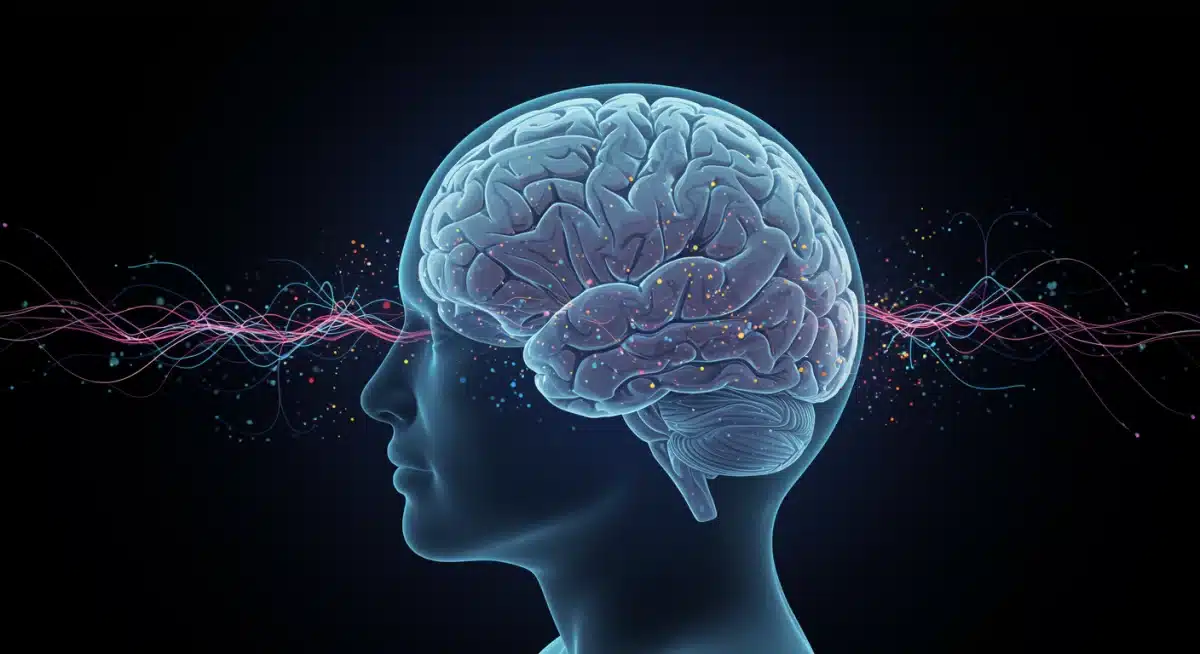
AI-powered tools could assist with personalized treatment recommendations, track progress, and even deliver guided mindfulness exercises or cognitive restructuring prompts. While human connection remains vital, technology can augment and extend the reach of therapeutic support, making mental wellness resources available to a broader audience. The convenience and flexibility offered by digital solutions are undeniable attractions.
Personalized Medicine and Integrated Care
The move towards personalized medicine means that mental health treatments will become increasingly tailored to an individual’s unique biological, psychological, and social profile. Genetic testing, biomarkers, and advanced neuroimaging could inform which therapeutic approach, or combination of approaches, is most likely to be effective for a given person. This precision approach aims to move beyond trial-and-error.
Integrated care models, where mental health services are seamlessly combined with physical healthcare, are also expanding. This holistic approach recognizes the strong bidirectional relationship between mind and body. In such settings, a patient might receive CBT for depression alongside physical therapy for chronic pain, with both treatments coordinated to optimize overall well-being. This collaborative framework ensures that all aspects of a person’s health are considered.
The future promises a more nuanced and interconnected approach to mental health, where technology and personalized insights enhance the delivery of powerful therapies like CBT and MBSR. These advancements will likely lead to more effective, efficient, and accessible mental wellness solutions for everyone.
Overcoming Challenges in Therapy Adoption
Despite the proven efficacy of therapies like CBT and MBSR, several challenges persist in their widespread adoption. These barriers often prevent individuals from accessing the care they need, or from fully engaging with treatment once initiated. Addressing these challenges is crucial for improving public mental health outcomes and ensuring that effective interventions reach those who can benefit most.
From societal stigma to practical logistical hurdles, the path to therapeutic support can be fraught with obstacles. Understanding these common difficulties is the first step toward developing strategies to mitigate them and create a more accessible and supportive mental healthcare system.
Common Barriers to Access and Engagement
One of the most significant barriers is the lingering stigma associated with mental health issues. Many individuals still hesitate to seek help due to fear of judgment or misunderstanding. This can lead to delays in treatment, allowing conditions to worsen before intervention.
Financial constraints also play a major role. While insurance coverage for mental health services has improved, out-of-pocket costs can still be prohibitive for many. The availability of affordable, high-quality care remains a concern for a large segment of the population.
- Stigma: Fear of judgment or discrimination preventing individuals from seeking help.
- Cost: High co-pays, deductibles, or lack of insurance coverage for mental health services.
- Availability of Providers: Shortage of qualified therapists, especially in rural areas.
- Logistical Issues: Transportation, childcare, or inflexible work schedules hindering attendance.
Strategies for Enhanced Adoption
To overcome these challenges, multi-faceted strategies are required. Public awareness campaigns focused on destigmatizing mental health can encourage more people to seek help. Educational initiatives in schools and workplaces can also normalize discussions around mental well-being and equip individuals with basic coping strategies.
Policy changes are vital for improving access. Expanding insurance coverage, increasing funding for community mental health centers, and incentivizing mental health professionals to work in underserved areas can make a substantial difference. Telehealth services, as discussed earlier, offer a powerful solution for geographical barriers, bringing therapy directly to individuals’ homes.
Furthermore, integrating mental health screenings and support into primary care settings can catch issues earlier and make seeking help feel less daunting. By making mental health care a standard part of overall health, we can reduce perceived barriers and promote proactive engagement. Ultimately, a collaborative effort across government, healthcare systems, communities, and individuals is needed to ensure that effective therapies like CBT and MBSR are accessible to all who need them.
| Key Aspect | Description |
|---|---|
| CBT Focus | Challenges negative thought patterns and behaviors directly. |
| MBSR Focus | Cultivates present-moment awareness and non-judgmental observation. |
| Efficacy | Both effective for anxiety/depression; specific applications vary. |
| Hybrid Approaches | Integrate elements for comprehensive, personalized care (e.g., MBCT). |
Frequently Asked Questions About CBT and MBSR
CBT primarily focuses on identifying and changing negative thought patterns and behaviors through structured techniques. MBSR, conversely, emphasizes cultivating non-judgmental present-moment awareness to reduce stress and foster acceptance of thoughts and feelings. While both aim for improved well-being, their core methodologies diverge significantly.
Both CBT and MBSR are highly effective for anxiety. CBT is often preferred for specific anxiety disorders due to its direct cognitive restructuring. MBSR can be particularly beneficial for generalized anxiety and stress reduction, helping individuals develop a more accepting relationship with anxious thoughts and sensations.
Yes, absolutely. Integrated approaches like Mindfulness-Based Cognitive Therapy (MBCT) combine elements of both, leveraging CBT’s cognitive tools with MBSR’s mindfulness practices. This allows for a more holistic and often more effective treatment, particularly for conditions like recurrent depression and chronic stress management.
CBT is often a short-term, structured therapy, typically lasting 12-20 sessions, though this can vary. MBSR is usually an eight-week program, involving weekly group sessions and daily home practice. Both require ongoing commitment and practice beyond the initial structured period for sustained benefits.
MBSR is rooted in ancient contemplative traditions but is taught in a secular manner, focusing on universal human experiences rather than spiritual dogma. CBT is entirely secular and scientific. While both can lead to profound personal insights, MBSR’s emphasis on mindfulness practices might resonate more with individuals seeking a deeper, experiential connection to their inner world.
Conclusion
The comparative analysis of Cognitive Behavioral Therapy and Mindfulness-Based Stress Reduction reveals two powerful, evidence-based approaches to mental wellness, each with distinct strengths. While CBT offers a structured, problem-solving framework for directly addressing maladaptive thoughts and behaviors, MBSR cultivates present-moment awareness and acceptance to reduce stress and foster emotional resilience. Data insights for 2025 continue to support the efficacy of both, highlighting the growing trend towards personalized and integrated care. The decision of which path to pursue ultimately depends on individual needs, preferences, and the specific mental health challenges being faced. Consulting with a qualified mental health professional is crucial for navigating these choices, ensuring that individuals receive the most appropriate and effective support on their journey to well-being.