Teletherapy Options: Accessing Quality Mental Healthcare in the U.S.

Understanding the 15% Increase in Teletherapy Options: Practical Solutions for Accessing Quality Mental Healthcare in the U.S. by Mid-2026.
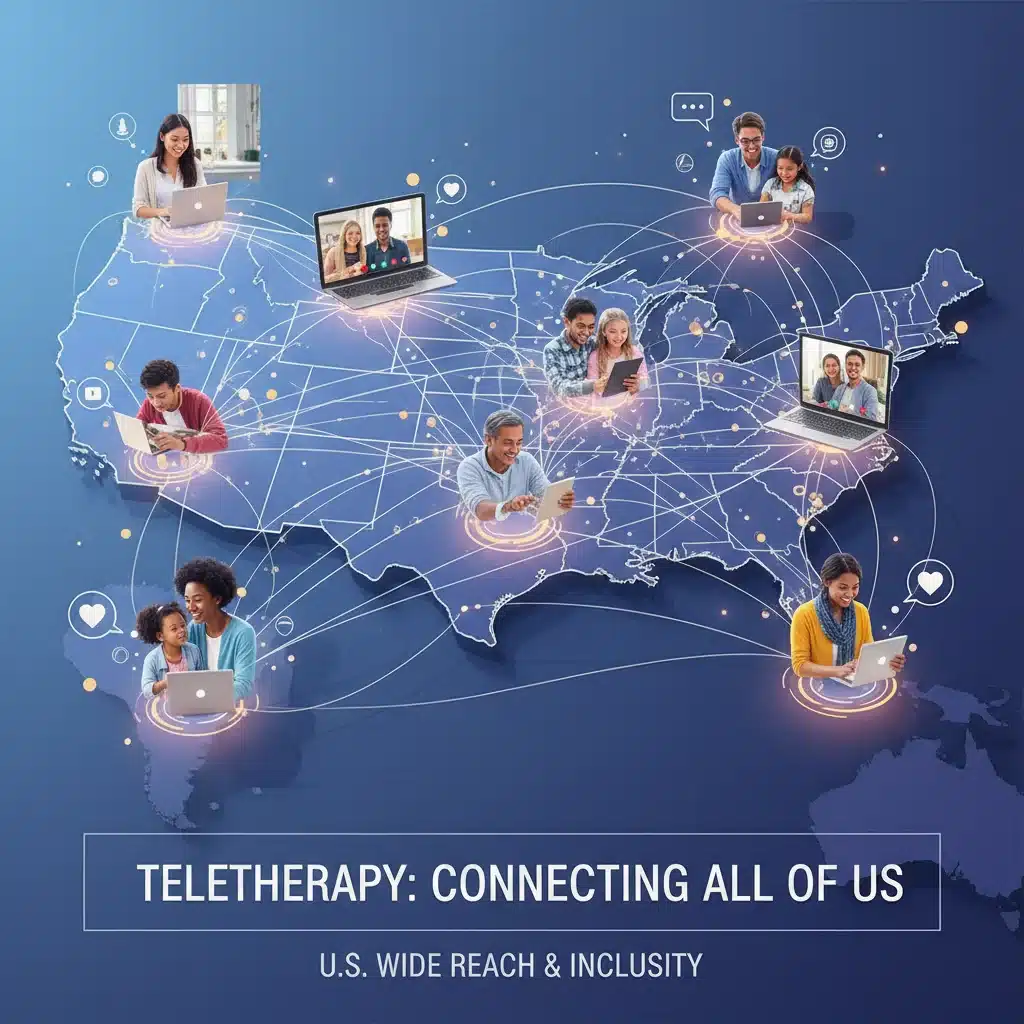
The landscape of mental healthcare in the United States is undergoing a profound transformation, with teletherapy emerging as a pivotal force. Projections indicate a significant 15% increase in teletherapy options by mid-2026, signaling a monumental shift towards more accessible and flexible mental health services. This growth is not merely a statistical anomaly; it represents a fundamental change in how individuals seek and receive support for their mental well-being. The COVID-19 pandemic acted as a powerful catalyst, accelerating the adoption of virtual care models and demonstrating their efficacy and convenience. As we move forward, teletherapy is no longer just an alternative; it is becoming a cornerstone of modern mental healthcare delivery in the U.S.
This comprehensive guide delves into the factors driving this surge, the practical solutions available for accessing quality mental healthcare through virtual platforms, and what this expansion means for individuals, providers, and the healthcare system as a whole. We will explore the myriad benefits, address potential challenges, and offer actionable advice for navigating the evolving world of online therapy. Understanding the nuances of these teletherapy options is crucial for anyone seeking mental health support or working within the healthcare sector.
The Rise of Teletherapy: A Paradigm Shift in Mental Healthcare
The expansion of teletherapy options is rooted in several converging factors. Historically, access to mental healthcare has been plagued by geographical barriers, stigma, and a shortage of qualified professionals, particularly in rural or underserved areas. Traditional in-person therapy often presented logistical hurdles, including travel time, childcare arrangements, and the need to take time off work. Teletherapy effectively addresses many of these challenges, offering a more convenient and discreet way to engage with mental health professionals.
Technological advancements have played a crucial role in enabling this revolution. High-speed internet, secure video conferencing platforms, and user-friendly mobile applications have made virtual therapy sessions as seamless and effective as their in-person counterparts. Furthermore, evolving regulatory frameworks and increasing insurance coverage for telehealth services have provided the necessary infrastructure for widespread adoption. This combination of factors has created a fertile ground for the projected 15% increase in teletherapy options, fundamentally reshaping the mental healthcare landscape across the U.S.
Key Drivers Behind the Growth of Teletherapy
- Increased Accessibility: Teletherapy breaks down geographical barriers, allowing individuals in remote or underserved areas to connect with specialists they might otherwise never access.
- Convenience and Flexibility: Patients can attend sessions from the comfort of their homes, offices, or any private location, eliminating commute times and offering greater scheduling flexibility.
- Reduced Stigma: For some, the anonymity and privacy offered by virtual sessions can reduce the perceived stigma associated with seeking mental health support.
- Cost-Effectiveness: While session fees may be similar, teletherapy can reduce ancillary costs like transportation and childcare.
- Provider Shortages: Teletherapy allows mental health professionals to reach a broader patient base, helping to alleviate the impact of provider shortages in certain regions.
- Technological Advancements: Secure, HIPAA-compliant platforms have made virtual sessions reliable and private.
- Evolving Insurance Coverage: A growing number of insurance providers now cover teletherapy, making it more financially viable for many.
Practical Solutions for Accessing Quality Teletherapy Options
With the anticipated surge in teletherapy options, understanding how to effectively access quality care is paramount. The market is becoming increasingly diverse, offering a range of platforms and services tailored to different needs and preferences. Here are practical solutions and considerations for finding the right teletherapy provider.
1. Identifying Your Needs and Preferences
Before embarking on your search, take time to reflect on your specific mental health needs. Are you looking for support with anxiety, depression, trauma, relationship issues, or something else? Do you prefer a particular therapeutic approach (e.g., CBT, DBT, psychodynamic)? Consider your budget, desired session frequency, and any preferences regarding the gender, age, or specialization of your therapist. Many platforms allow you to filter therapists by these criteria, making your search more efficient.
2. Exploring Reputable Teletherapy Platforms
Numerous platforms facilitate access to teletherapy options. Some are subscription-based, offering unlimited messaging and weekly live sessions, while others connect you directly to independent practitioners. Research platforms known for their rigorous vetting process for therapists, secure communication, and positive user reviews. Popular examples include:
- BetterHelp: A widely recognized platform offering access to licensed therapists via video, phone, and chat.
- Talkspace: Similar to BetterHelp, providing various communication methods and therapist matching services.
- Amwell: Offers a broader range of telehealth services, including urgent care and psychiatry, alongside therapy.
- Doctor On Demand: Provides virtual visits with licensed therapists and psychiatrists.
- Zocdoc/Psychology Today: These directories allow you to search for individual therapists who offer teletherapy in your state, often with detailed profiles and information on insurance accepted.
3. Verifying Credentials and Licenses
Regardless of the platform, always ensure your chosen therapist is licensed in your state. Licensing requirements vary by state, and a therapist must be licensed in the state where the patient is physically located during the session. Reputable platforms will typically verify this for you, but it’s always wise to double-check. Look for credentials such as Licensed Professional Counselor (LPC), Licensed Clinical Social Worker (LCSW), Licensed Marriage and Family Therapist (LMFT), or Psychologist (Ph.D./Psy.D.).
4. Understanding Insurance Coverage and Costs
The increasing acceptance of teletherapy by insurance providers is a major contributor to the growing teletherapy options. Contact your insurance company directly to inquire about your specific mental health benefits for telehealth. Ask about:
- Whether teletherapy is covered.
- Any specific platforms or providers that are in-network.
- Your co-pay, deductible, and out-of-pocket maximums.
- The number of sessions covered per year.
If you don’t have insurance or prefer not to use it, many therapists offer sliding scale fees based on income. Some platforms also have subscription models that can be more cost-effective than individual sessions, especially for ongoing support.
5. Ensuring Privacy and Security
When engaging in teletherapy, privacy and security are paramount. Ensure that the platform used is HIPAA-compliant, meaning it adheres to the Health Insurance Portability and Accountability Act, which protects your sensitive health information. Conduct your sessions in a private, quiet space where you won’t be interrupted and your conversation cannot be overheard. Use secure Wi-Fi and updated software to minimize any potential risks.

Benefits and Challenges of Expanded Teletherapy Options
The projected 15% increase in teletherapy options brings with it a host of benefits, alongside some challenges that need careful consideration. Understanding both sides is crucial for maximizing the positive impact of this healthcare evolution.
Significant Benefits
- Enhanced Access for Underserved Populations: Individuals in rural areas, those with mobility issues, or people with demanding schedules can now access specialized care previously out of reach.
- Continuity of Care: Teletherapy allows for consistent care during times of crisis, travel, or unexpected events, ensuring that therapeutic progress is not interrupted.
- Comfort and Familiarity: Being in a familiar environment can help some patients feel more comfortable and open during sessions, fostering a stronger therapeutic alliance.
- Reduced No-Show Rates: The convenience of teletherapy often leads to fewer missed appointments, improving treatment adherence and outcomes.
- Broader Choice of Providers: Patients are no longer limited to therapists within their immediate geographical vicinity, opening up a wider pool of specialists.
Potential Challenges and Considerations
- Technological Barriers: Not everyone has reliable internet access or the necessary devices, creating a digital divide. Technical glitches during sessions can also be disruptive.
- Crisis Intervention Limitations: In acute psychiatric emergencies, teletherapy may not be sufficient, and in-person intervention might be necessary. Therapists must have protocols for handling such situations.
- Non-Verbal Cues: While video allows for many non-verbal cues, some subtle expressions or body language might be missed compared to in-person sessions.
- Privacy Concerns: Although platforms are HIPAA-compliant, patients must also ensure their own environment is private and secure.
- State Licensing Laws: Therapists are generally only licensed to practice in specific states, which can limit options if a patient moves or travels frequently.
- Therapeutic Relationship Development: For some, building rapport over a screen might feel different or more challenging than in a traditional setting.
The Future of Teletherapy in the U.S.
The projected 15% increase in teletherapy options by mid-2026 is just one indicator of its enduring future. As technology continues to advance and regulatory frameworks become more streamlined, teletherapy is poised to become an even more integrated and indispensable part of the U.S. mental healthcare system.
Innovations on the Horizon
We can anticipate further innovations that will enhance the teletherapy experience:
- Artificial Intelligence (AI) and Machine Learning: AI could assist in matching patients with the most suitable therapists, analyze speech patterns for early detection of mental health shifts (with strict ethical guidelines), and provide personalized self-help resources.
- Virtual Reality (VR) and Augmented Reality (AR): These technologies could be used for exposure therapy, mindfulness exercises, or creating immersive, calming environments for sessions, particularly for conditions like phobias or PTSD.
- Integrated Care Models: Teletherapy will likely become more seamlessly integrated with primary care and other medical services, offering a holistic approach to health.
- Enhanced Data Security: Ongoing advancements in cybersecurity will further protect patient data and ensure the privacy of virtual sessions.
- Wearable Technology: Integration with wearables could provide real-time data on sleep patterns, heart rate, and activity levels, offering therapists additional insights into a patient’s well-being.
Policy and Regulatory Evolution
As teletherapy options expand, policymakers will continue to refine regulations to ensure quality, accessibility, and ethical practice. This includes:
- Interstate Compacts: Efforts to create interstate licensing compacts will allow therapists to practice across state lines more easily, further expanding access to specialists.
- Parity Laws: Continued enforcement and expansion of mental health parity laws will ensure that teletherapy is covered at the same level as in-person care.
- Quality Standards: Development of best practices and quality standards specifically for telehealth will ensure that virtual care maintains high professional standards.
The ongoing dialogue between healthcare providers, technology developers, patients, and policymakers will shape a future where mental healthcare is not only more accessible but also more personalized, effective, and responsive to individual needs.
Navigating the Teletherapy Landscape: Tips for Success
To make the most of the burgeoning teletherapy options, consider these practical tips:
- Prepare Your Space: Find a quiet, private, and well-lit area for your sessions. Minimize distractions and inform others in your household about your session time.
- Test Your Technology: Before each session, ensure your internet connection is stable, your device is charged, and your video/audio are working correctly.
- Communicate Openly: Don’t hesitate to discuss any concerns you have about the virtual format with your therapist. A good therapist will be able to adapt and address your needs.
- Set Boundaries: Treat your teletherapy session like an in-person appointment. Avoid multitasking and give it your full attention.
- Have a Backup Plan: Discuss with your therapist what to do if technical issues arise during a session (e.g., call on the phone).
- Understand Emergency Protocols: Be aware of your therapist’s emergency procedures and what steps to take in a crisis situation.
- Give it Time: Like any therapeutic relationship, it takes time to build rapport and see progress. Be patient with the process, especially when adjusting to a virtual format.
Conclusion: A Brighter Future for Mental Healthcare Access
The projected 15% increase in teletherapy options by mid-2026 represents a pivotal moment for mental healthcare in the U.S. It signifies a collective recognition of the need for more flexible, accessible, and effective ways to support mental well-being. While challenges remain, the overwhelming benefits of teletherapy – from breaking down geographical barriers to offering unprecedented convenience – are undeniable. As technology continues to evolve and regulatory frameworks adapt, virtual mental healthcare is not just a temporary solution but a permanent and growing fixture in our healthcare system.
For individuals seeking support, the expanded teletherapy options offer a beacon of hope, providing diverse avenues to connect with qualified professionals. For mental health providers, it opens up new possibilities for reaching a broader patient base and delivering care in innovative ways. By embracing these changes and proactively addressing the associated challenges, we can collectively build a future where quality mental healthcare is truly within reach for everyone in the United States. The journey towards comprehensive and equitable mental health access is ongoing, and teletherapy is undoubtedly leading the charge.