Boosting Public Health Workforce: Attracting Talent to US Agencies by 2027

Boosting Public Health Workforce: Attracting 20% More Talent to US Agencies by 2027
The strength of a nation’s public health infrastructure is directly proportional to the caliber and quantity of its workforce. In the United States, the public health sector faces a critical juncture. The COVID-19 pandemic starkly illuminated existing vulnerabilities, underscoring the urgent need for a robust, well-trained, and adequately staffed public health workforce. As we look towards the future, a concerted effort is required to not only replenish but also significantly expand the ranks of public health professionals. Our ambitious goal: to attract 20% more talent to US public health agencies by 2027. This isn’t just a numerical target; it’s a strategic imperative for safeguarding public well-being and national security.
The challenges are multifaceted. An aging workforce, competition from other sectors, insufficient funding, and a lack of public awareness regarding public health careers all contribute to the current talent deficit. However, with these challenges come immense opportunities for innovation and transformation. By focusing on strategic recruitment, effective retention, and continuous professional development, we can forge a resilient and dynamic public health workforce capable of addressing the complex health threats of today and tomorrow.
Understanding the Current Landscape of the Public Health Workforce
Before charting a path forward, it’s crucial to understand the current state of the public health workforce. According to various reports, including those from the Centers for Disease Control and Prevention (CDC) and the Association of Schools and Programs of Public Health (ASPPH), the sector has seen significant attrition over the past decade. Many experienced professionals are nearing retirement, and the pipeline of new talent often struggles to keep pace with demand, particularly in specialized areas like epidemiology, biostatistics, environmental health, and public health informatics.
The pandemic placed unprecedented strain on public health agencies, leading to burnout and, in some cases, early departures. This has created a vacuum that is challenging to fill. Furthermore, the public health workforce is incredibly diverse, encompassing a wide array of disciplines beyond traditional medical roles. It includes health educators, policy analysts, emergency preparedness specialists, data scientists, and communication experts, all of whom play vital roles in promoting community health and preventing disease.
A key issue lies in the perception of public health careers. Often overshadowed by clinical medicine, public health work, while profoundly impactful, may not always receive the same level of recognition or financial remuneration. This perception gap needs to be addressed to attract a new generation of passionate and skilled individuals to the field. Understanding these nuances is the first step in developing targeted interventions to strengthen the public health workforce.
Strategic Recruitment: Casting a Wider Net
To achieve a 20% increase in public health talent by 2027, recruitment strategies must be innovative, inclusive, and far-reaching. Traditional methods alone will not suffice. We need to actively engage with diverse talent pools and highlight the compelling nature of public health work.
Targeting Educational Institutions and Early Career Professionals
Partnerships with universities and colleges are paramount. Public health agencies should collaborate with schools of public health, nursing, medicine, and even liberal arts programs to promote public health as a viable and rewarding career path. This includes:
- Internship and Fellowship Programs: Establishing robust, paid internship and fellowship programs provides invaluable hands-on experience and a direct pipeline for recruitment. These programs should be well-mentored and offer exposure to various public health disciplines.
- Career Fairs and Outreach: Actively participating in career fairs, hosting informational sessions, and developing engaging promotional materials can raise awareness and generate interest among students.
- Curriculum Integration: Advocating for the integration of public health concepts into broader educational curricula can foster early interest and understanding of the field.
- Scholarship and Loan Forgiveness Programs: Financial incentives, such as scholarships for public health education or loan forgiveness programs for those committing to working in underserved public health agencies, can significantly reduce financial barriers and attract top talent.
Leveraging Technology for Recruitment
In the digital age, technology offers powerful tools for attracting candidates. Public health agencies should:
- Optimize Online Presence: Develop engaging and informative career pages on agency websites, showcasing the impact of public health work, testimonials from current employees, and clear pathways for application.
- Social Media Campaigns: Utilize platforms like LinkedIn, Twitter, and even TikTok to share compelling stories, highlight career opportunities, and engage with potential applicants.
- Data-Driven Recruitment: Employ analytics to identify effective recruitment channels and tailor messaging to specific demographics and skill sets.
Promoting Diversity, Equity, and Inclusion (DEI)
A public health workforce that reflects the diversity of the communities it serves is more effective and trustworthy. DEI initiatives must be central to recruitment efforts:
- Inclusive Hiring Practices: Reviewing and revising hiring processes to remove biases and ensure equitable opportunities for all candidates.
- Targeted Outreach: Actively recruiting from historically underrepresented groups and communities.
- Creating an Inclusive Culture: Fostering a workplace environment where all employees feel valued, respected, and have opportunities for growth.
Effective Retention: Nurturing the Public Health Workforce
Attracting new talent is only half the battle; retaining skilled public health professionals is equally, if not more, critical. High turnover rates are costly and disruptive. Agencies must invest in creating supportive and engaging work environments.
Competitive Compensation and Benefits
While public service often comes with a sense of mission, competitive compensation and comprehensive benefits are essential for retention. This includes:
- Regular Salary Reviews: Ensuring salaries are commensurate with experience and comparable to similar roles in other sectors.
- Robust Benefits Packages: Offering attractive health insurance, retirement plans, paid time off, and parental leave.
- Performance-Based Incentives: Recognizing and rewarding exceptional performance.
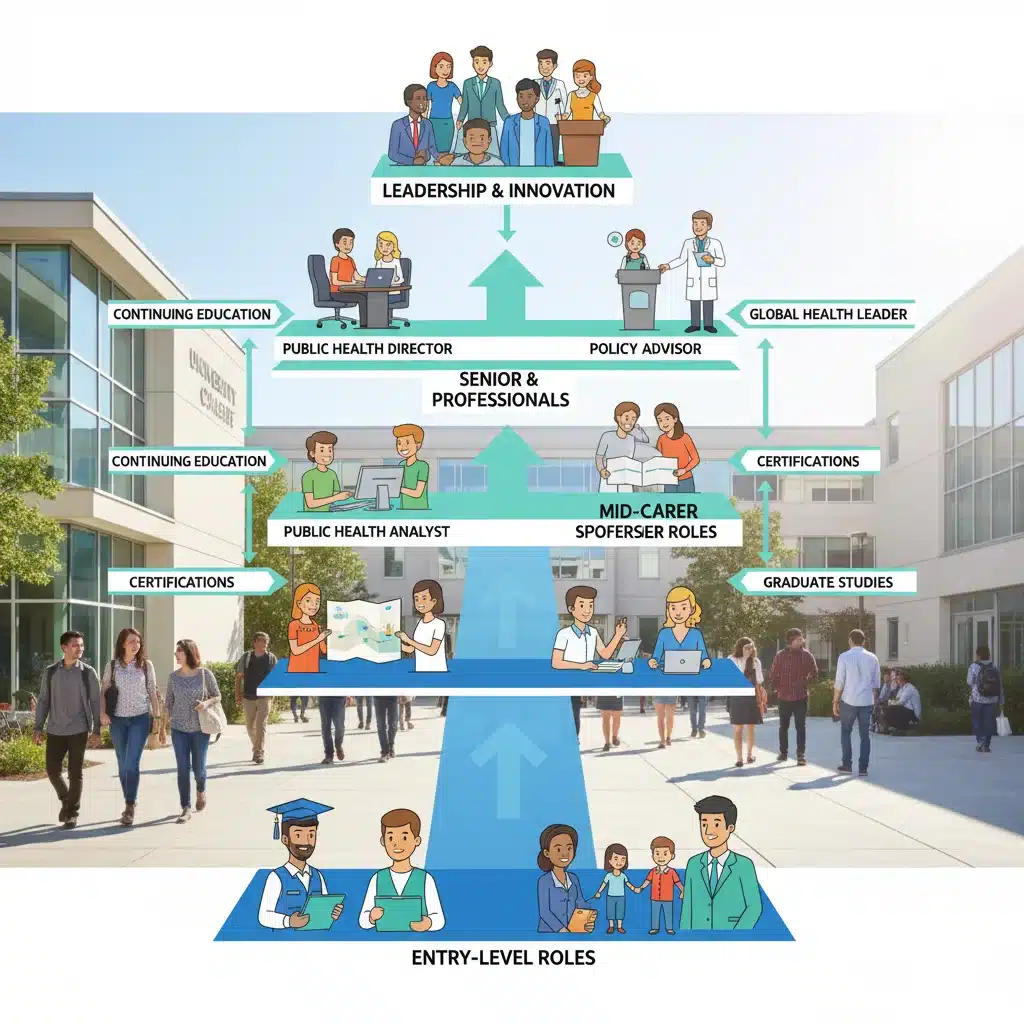
Professional Development and Career Advancement
Public health professionals are often driven by a desire for continuous learning and impact. Agencies must provide clear pathways for growth:
- Training and Education Opportunities: Offering access to workshops, certifications, conferences, and advanced degree programs.
- Mentorship Programs: Connecting new hires with experienced professionals for guidance and support.
- Clear Career Ladders: Defining clear progression paths within the agency, allowing employees to see opportunities for advancement and specialization.
- Leadership Development: Identifying and nurturing future leaders through specialized training and opportunities to take on greater responsibilities.
Fostering a Positive Work Culture
A positive and supportive work environment is a powerful retention tool. This involves:
- Work-Life Balance: Promoting flexible work arrangements, remote work options where feasible, and reasonable workloads to prevent burnout.
- Recognition and Appreciation: Regularly acknowledging and celebrating the hard work and achievements of employees.
- Supportive Leadership: Training managers to be effective leaders who empower their teams, provide constructive feedback, and advocate for their staff.
- Employee Well-being Programs: Offering mental health resources, wellness initiatives, and stress management support.
Enhancing Public Health Education and Training
To meet the evolving demands of public health, education and training programs must adapt. This means focusing on interdisciplinary skills, data literacy, and community engagement.
Modernizing Curricula
Public health academic programs need to continuously update their curricula to reflect current and emerging health challenges. This includes greater emphasis on:
- Data Science and Analytics: Training in big data, machine learning, and advanced statistical methods for public health surveillance and intervention evaluation.
- Health Equity and Social Justice: Deepening understanding of the social determinants of health and strategies to address health disparities.
- Communication and Risk Communication: Developing skills to effectively communicate complex health information to diverse audiences during crises and routine operations.
- Policy and Advocacy: Equipping professionals with the skills to influence health policy and advocate for public health priorities.
- Emergency Preparedness and Response: Enhancing training in disaster management, outbreak investigation, and public health emergency operations.
Experiential Learning Opportunities
Beyond classroom learning, practical experience is vital. Agencies and academic institutions should collaborate to expand opportunities for:
- Field Placements and Practicums: Providing students with real-world experience in various public health settings.
- Community-Based Participatory Research: Engaging students in research projects that directly address community health needs.
- Simulations and Case Studies: Using realistic scenarios to develop critical thinking and problem-solving skills.
Addressing Specific Workforce Gaps
Certain areas within the public health workforce face more acute shortages. Targeted interventions are needed to address these specific gaps.
Rural and Underserved Areas
Attracting public health professionals to rural and underserved communities remains a significant challenge. Strategies include:
- Incentives: Offering higher salaries, housing subsidies, and student loan repayment programs for those who commit to working in these areas.
- Telehealth and Remote Work: Leveraging technology to allow professionals to serve these communities remotely or with hybrid models.
- Community Health Worker Programs: Investing in training and integrating community health workers (CHWs) who are trusted members of the local community.
Specialized Roles
The demand for specialists in areas like epidemiology, informatics, and environmental health often outstrips supply. To fill these roles:
- Cross-Training Initiatives: Providing opportunities for existing staff to gain specialized skills.
- Partnerships with Tech Companies: Collaborating with the private sector to develop training programs for public health informatics.
- Recruitment from STEM Fields: Actively recruiting individuals with backgrounds in science, technology, engineering, and mathematics and providing them with public health-specific training.
The Role of Advocacy and Funding
Achieving the goal of attracting 20% more public health talent by 2027 requires significant investment and sustained advocacy. Funding for public health agencies has historically been inconsistent and often insufficient, leading to understaffing and limited capacity.
Increased and Sustainable Funding
Advocacy efforts must focus on securing increased and sustainable funding for public health at all levels of government. This funding is critical for:
- Competitive Salaries and Benefits: Enabling agencies to offer compensation packages that attract and retain top talent.
- Training and Development: Funding for scholarships, fellowships, and continuous professional development programs.
- Infrastructure Investment: Supporting the technological and physical infrastructure needed for a modern public health system.
- Research and Innovation: Investing in public health research to address emerging threats and improve practices.
Public Awareness Campaigns
Raising the profile of public health and increasing public understanding of its vital role is essential. Campaigns should:
- Highlight Success Stories: Showcase the impact of public health interventions and the dedicated professionals behind them.
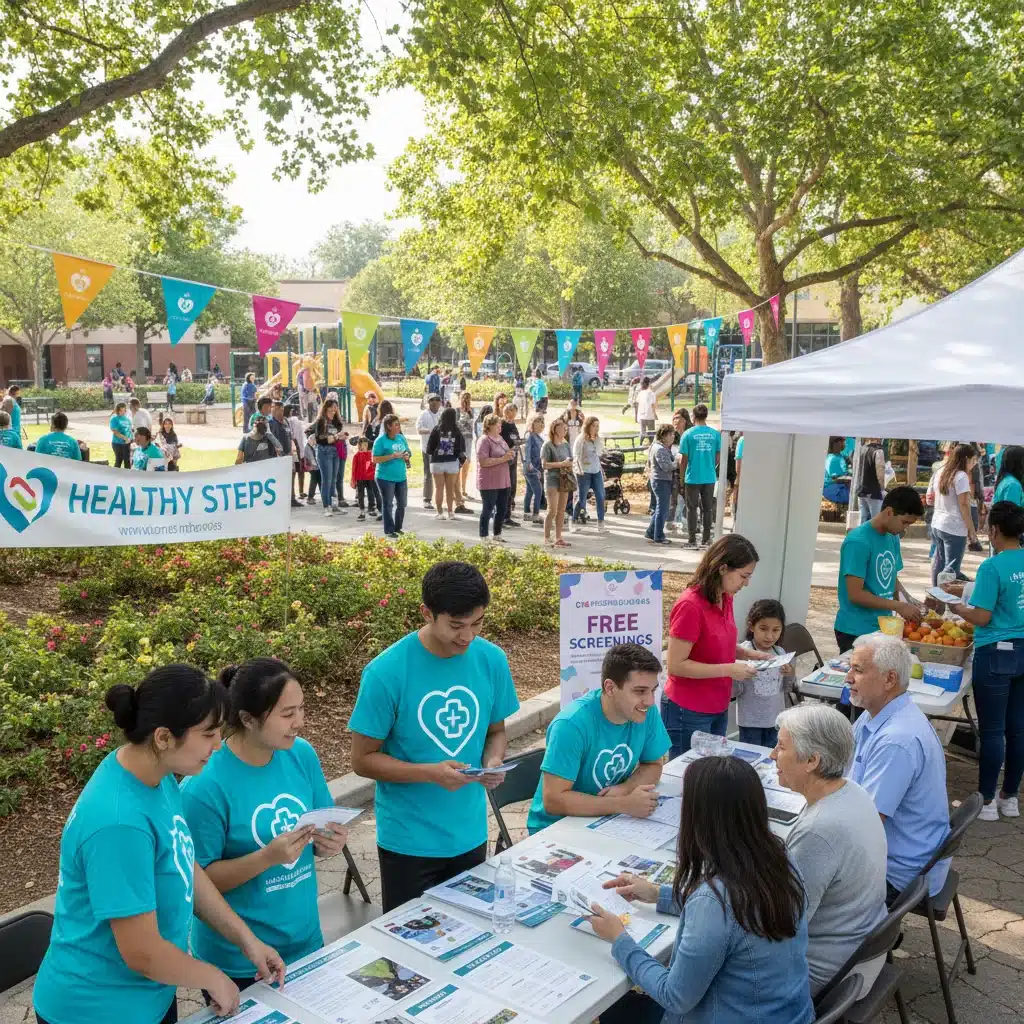
- Educate on Career Paths: Inform the public, particularly young people, about the diverse and rewarding career opportunities in public health.
- Emphasize Prevention: Explain how public health focuses on preventing disease and promoting well-being for entire populations, rather than just treating individuals.
Collaboration Across Sectors
No single entity can tackle the public health workforce challenge alone. Collaboration across various sectors is key to success.
Government Agencies
Federal, state, and local public health agencies must work in concert to develop unified strategies, share best practices, and coordinate recruitment efforts. This includes streamlining hiring processes and facilitating inter-agency transfers.
Academic Institutions
Universities and colleges are essential partners in training the next generation of public health professionals. Collaboration can involve joint research projects, shared faculty positions, and curriculum development.
Private Sector
Private companies, particularly those in healthcare, technology, and data analytics, can offer valuable expertise, resources, and even personnel exchanges. Partnerships can lead to innovative solutions for data management, surveillance, and communication.
Non-Profit Organizations and Community Groups
These organizations are crucial for community engagement, outreach, and understanding local health needs. Collaborating with them can help identify local talent and build trust within communities.
Measuring Progress and Adapting Strategies
To ensure progress towards the 20% talent increase by 2027, robust monitoring and evaluation mechanisms must be in place. This involves:
- Data Collection: Regularly collecting data on workforce demographics, attrition rates, recruitment success rates, and skill gaps.
- Performance Indicators: Establishing clear key performance indicators (KPIs) related to recruitment, retention, and diversity.
- Feedback Mechanisms: Implementing surveys and focus groups to gather feedback from current and prospective employees on their experiences and needs.
- Adaptive Management: Being prepared to adjust strategies based on data and feedback, recognizing that the public health landscape is constantly evolving.
The goal of attracting 20% more talent to US public health agencies by 2027 is ambitious but achievable. It requires a holistic approach that addresses recruitment, retention, education, funding, and collaboration. By investing in our public health workforce, we are investing in the health, safety, and prosperity of our nation. The time for decisive action is now, to build a future where public health is not just a service, but a recognized cornerstone of a thriving society.
The lessons learned from recent global health crises underscore the imperative of a strong public health infrastructure. This includes not only the physical and technological components but, most critically, the human element – a skilled, diverse, and dedicated public health workforce. By proactively implementing the strategies outlined above, US agencies can transform their public health workforce, ensuring they are well-equipped to face any health challenge that arises. This commitment to strengthening the public health workforce is an investment in our collective future, promising a healthier and more resilient America.
Ultimately, the success of this endeavor hinges on a shared understanding of the value of public health and a collective commitment to supporting its professionals. From policy makers to educators, from community leaders to individual citizens, everyone has a role to play in championing the public health cause. By working together, we can inspire a new generation to join this vital field, securing the expertise and passion needed to protect and improve the health of all Americans for decades to come. The path to a 20% increase in the public health workforce by 2027 is a journey that begins with strategic vision and ends with a healthier nation.