Federal Housing Assistance Programs 2026: Best Financial Impact for Families

Navigating Federal Housing Programs: Maximizing Financial Impact for Families in 2026
Securing stable, affordable housing is a cornerstone of family well-being and financial stability. For countless families across the United States, federal housing assistance programs serve as a vital lifeline, bridging the gap between insurmountable housing costs and a safe place to call home. As we look towards 2026, understanding the landscape of these programs, their eligibility requirements, and their potential financial impact becomes paramount. This comprehensive guide will delve into the various Federal Housing Programs available, offering insights into which options might provide the best financial relief and long-term stability for families.
The U.S. Department of Housing and Urban Development (HUD) spearheads the majority of these initiatives, designed to assist low-income families, the elderly, and individuals with disabilities. However, navigating the myriad of options can be complex. Our aim is to demystify these programs, providing a clear comparison and actionable advice to help families make informed decisions about their housing future.
Understanding the Core Federal Housing Programs
When discussing Federal Housing Programs, several key initiatives come to mind. Each program has distinct features, benefits, and eligibility criteria. Let’s explore the most prominent ones:
1. The Housing Choice Voucher Program (Section 8)
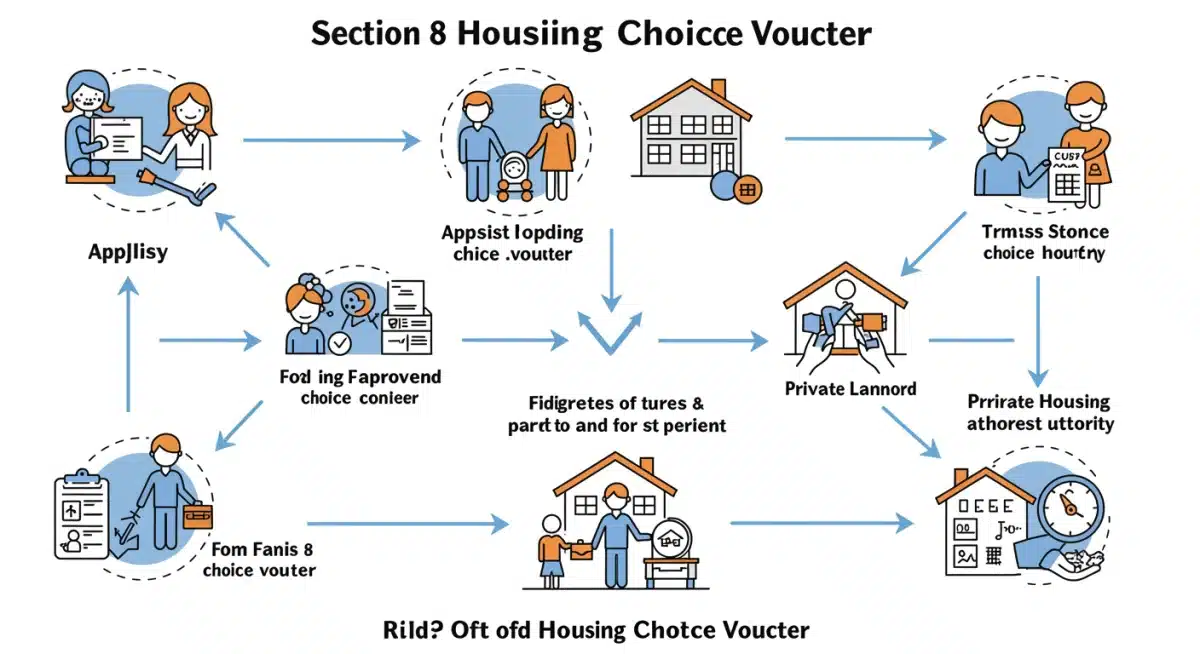
Perhaps the most well-known federal housing assistance program, Section 8 provides rental subsidies to help very low-income families, the elderly, and the disabled afford decent, safe, and sanitary housing in the private market. Participants are free to choose any housing that meets the program requirements and is not limited to units located in subsidized housing projects. The financial impact of Section 8 is significant: generally, a family pays approximately 30% of their adjusted gross income for rent and utilities, with the local public housing agency (PHA) covering the remainder.
Key Features:
- Tenant-Based Assistance: The subsidy is tied to the family, not the unit, allowing flexibility in choosing housing.
- Private Market Access: Families can rent from private landlords who agree to participate in the program.
- Income-Based Rent: Rent contributions are calculated based on a percentage of the family’s income, ensuring affordability.
- Portability: Vouchers can often be used to move to different jurisdictions, provided the new PHA administers a voucher program.
Eligibility for 2026: Eligibility primarily depends on income, which must not exceed 50% of the median income for the county or metropolitan area in which the family chooses to live. PHAs must provide 75% of their vouchers to applicants whose incomes do not exceed 30% of the area median income. Other factors like family size, citizenship status, and criminal background checks also play a role.
Financial Impact: For families struggling with high rent burdens, Section 8 can drastically reduce housing costs, freeing up income for other necessities like food, healthcare, and education. This can lead to improved financial stability and overall quality of life.
2. Public Housing Program
Public Housing was established to provide decent and safe rental housing for eligible low-income families, the elderly, and persons with disabilities. Public housing comes in all sizes and types, from scattered single-family houses to high-rise apartments for elderly families. HUD provides federal financial assistance to local PHAs that own and manage these developments.
Key Features:
- Directly Owned and Managed: Units are owned and managed by local PHAs.
- Fixed Locations: Families reside in specific public housing developments.
- Income-Based Rent: Similar to Section 8, rent is typically set at 30% of the family’s adjusted gross income.
- Community Services: Many public housing developments offer on-site services, such as after-school programs, job training, and health clinics.
Eligibility for 2026: Similar to Section 8, eligibility is based on income relative to the area median, family size, and other factors. PHAs often have waiting lists, and preferences may be given to certain populations, such as veterans or families experiencing homelessness.
Financial Impact: Public housing offers consistent, affordable rent in a controlled environment. The stability provided can be invaluable for families, particularly those with children, allowing them to focus on education, employment, and personal development without the constant stress of housing insecurity. The direct provision of housing also removes the complexities of navigating the private rental market.
3. Project-Based Rental Assistance (PBRA)
Unlike tenant-based Section 8 vouchers, Project-Based Rental Assistance is tied to specific housing units. This means that if a family moves out of a PBRA unit, they lose the rental assistance. The assistance is provided to property owners who, in turn, offer reduced rents to low-income tenants. These units are often part of larger affordable housing developments.
Key Features:
- Unit-Specific Subsidy: The assistance remains with the unit, not the tenant.
- Guaranteed Affordability: Rents are capped at affordable levels for eligible tenants.
- Long-Term Contracts: Owners receive long-term contracts from HUD, ensuring the affordability of the units for many years.
Eligibility for 2026: Income limits apply, typically for very low-income families. Vacancies in PBRA units are often managed directly by the property owner or management company, which may maintain its own waiting list.
Financial Impact: PBRA offers a stable and predictable housing cost, usually around 30% of adjusted income, within a specific community. While it lacks the portability of Section 8, it provides a reliable option for families seeking long-term affordable housing in designated developments.
4. Rural Housing Programs (USDA Rural Development)
For families living in rural areas, the U.S. Department of Agriculture (USDA) offers several housing assistance programs. These programs are distinct from HUD’s and cater specifically to the needs of rural communities.
- Section 515 Rural Rental Housing Program: Provides affordable rental housing for very low-income, low-income, and moderate-income individuals and families in rural areas.
- Section 502 Direct Loan Program: Offers direct loans to low and very low-income applicants to help them purchase, construct, or repair homes in rural areas.
- Section 504 Home Repair Program: Provides loans and grants to very low-income homeowners to repair, improve, or modernize their homes or remove health and safety hazards.
Eligibility for 2026: Eligibility for USDA programs is based on income thresholds specific to rural areas and the specific program’s requirements. Location within a designated rural area is a primary factor.
Financial Impact: These programs are crucial for maintaining and improving housing stock in rural areas, preventing displacement, and enabling homeownership for families who might otherwise be unable to afford it. The low-interest loans and grants can significantly reduce the financial burden of housing for rural families.
Comparing Financial Impact: Which Option is Best for Your Family?
The ‘best’ Federal Housing Program for a family in 2026 depends on several factors, including income, family size, housing preferences, and location. Here’s a comparative look at their potential financial impacts:
Flexibility vs. Stability:
- Section 8 (Housing Choice Vouchers): Offers the most flexibility. Families can choose their own housing in the private market, potentially in areas with better schools or job opportunities. This flexibility can lead to better long-term financial outcomes by enabling access to resources that improve earning potential.
- Public Housing & PBRA: Provide high stability in terms of housing costs and location. While less flexible, the consistent affordability and potential for on-site community services can be a significant financial advantage, especially for families needing a strong support network.
Path to Homeownership:
While most Federal Housing Programs focus on rental assistance, some offer pathways to homeownership. The Section 8 Homeownership Program allows certain voucher holders to use their assistance to pay for homeownership expenses. Similarly, USDA Rural Development’s Section 502 Direct Loan Program directly facilitates homeownership. For families aspiring to own a home, these programs offer a profound financial impact, building equity and long-term asset accumulation.
Geographic Considerations:
- Urban/Suburban Areas: Section 8, Public Housing, and PBRA are more prevalent in these areas. The choice often comes down to the availability of vouchers or units and the family’s preference for private market housing versus managed developments.
- Rural Areas: USDA Rural Development programs are specifically tailored for these regions, making them the primary source of federal housing assistance for rural families. Their financial impact is critical for addressing the unique housing challenges in these communities.
Long-Term Financial Planning:
Beyond immediate rent relief, the financial impact of these programs extends to a family’s overall financial health. Reduced housing costs mean more disposable income for savings, debt reduction, education, and healthcare. This can break cycles of poverty and promote upward mobility. Families should consider how each program aligns with their long-term financial goals, including saving for a down payment, investing in education, or building an emergency fund.
Navigating the Application Process for Federal Housing Programs in 2026
Applying for Federal Housing Programs can be a lengthy process, often involving waiting lists. It’s crucial for families to understand the steps and prepare thoroughly.
1. Identify Your Local Public Housing Agency (PHA):
Most HUD programs are administered by local PHAs. You can find your local PHA on the HUD website. They will be your primary point of contact for Section 8 vouchers, Public Housing, and sometimes PBRA units.
2. Understand Eligibility Requirements:
Before applying, carefully review the income limits and other eligibility criteria for each program. These can vary by location and change annually. For USDA programs, ensure your property is in a designated rural area.
3. Gather Necessary Documentation:
Be prepared to provide extensive documentation, including:
- Proof of income (pay stubs, tax returns, benefit statements)
- Identification for all household members (birth certificates, social security cards)
- Proof of assets (bank statements)
- Information on disabilities, if applicable
- Rental history
Having these documents ready can expedite the application process.
4. Apply to Multiple Programs (If Applicable):
Given the long waiting lists for many programs, it’s often advisable to apply to multiple PHAs or programs if you meet the eligibility criteria. This increases your chances of receiving assistance sooner.
5. Stay in Communication:
Once on a waiting list, regularly update your contact information with the PHA. Missing a notification due to outdated information can result in your application being removed.
Anticipated Changes and Trends in Federal Housing Programs for 2026
The landscape of Federal Housing Programs is constantly evolving. While specific legislative changes for 2026 are not yet finalized, several trends and potential areas of focus are emerging:
Increased Emphasis on Housing Stability and Homelessness Prevention:
There is a growing recognition of the link between housing instability and broader societal issues. We can anticipate continued efforts to streamline access to assistance for families experiencing or at risk of homelessness, potentially through expedited application processes or targeted voucher allocations.
Integration of Supportive Services:
A holistic approach to housing assistance, combining rental subsidies with supportive services (e.g., job training, childcare, healthcare access), is gaining traction. This aims to not only house families but also empower them towards long-term self-sufficiency. Public Housing initiatives, in particular, may see enhanced funding for such integrated services.
Climate Resilience in Affordable Housing:
With increasing climate concerns, there may be a greater focus on funding and developing climate-resilient affordable housing. This could mean incentives for energy-efficient construction, renewable energy integration, and location planning that mitigates climate risks. For families, this translates to lower utility bills and safer homes.
Technological Advancements in Administration:
PHAs are continually looking for ways to improve efficiency. Expect further integration of online application portals, digital document submission, and improved data analytics to better manage waiting lists and allocate resources. This could make the application process more accessible and transparent for families.
Addressing Racial and Social Equity:
Efforts to address historical inequities in housing policy are likely to continue. This might involve targeted outreach to underserved communities, reviewing systemic barriers to access, and ensuring equitable distribution of housing resources.
Maximizing the Benefits of Federal Housing Programs
Once a family receives assistance through one of the Federal Housing Programs, there are ways to maximize its financial and social benefits:
Financial Literacy and Budgeting:
With reduced housing costs, families have an opportunity to improve their financial literacy. Many PHAs or local non-profits offer free financial counseling. Learning to budget, save, and manage debt can amplify the positive financial impact of housing assistance.
Education and Job Training:
Utilize the stability provided by affordable housing to pursue educational opportunities or job training. Many public housing communities offer on-site programs, and Section 8 allows for flexibility to access better educational districts or employment centers. Investing in human capital can lead to higher incomes and greater self-sufficiency.
Community Engagement:
Engage with community resources and support networks. Public housing developments often have resident councils and community centers. For Section 8 recipients, connecting with local community organizations can provide access to additional resources, from food assistance to childcare. A strong community can offer informal support and opportunities.
Advocacy and Awareness:
Stay informed about your rights and responsibilities as a tenant in a federally assisted program. Understand the rules to ensure continued eligibility and to advocate for yourself if issues arise. Being an informed participant can help you navigate any challenges and ensure you continue to receive the benefits you are entitled to.
Homeownership Opportunities:
If homeownership is a goal, explore programs like the Section 8 Homeownership Program or USDA’s Section 502 loans. Start saving for a down payment and work on improving your credit score. The stability offered by rental assistance can be a springboard to achieving this long-term financial milestone.
The Broader Impact of Federal Housing Programs
The impact of Federal Housing Programs extends far beyond individual families. They contribute to healthier communities, stronger economies, and a more equitable society.
- Economic Stability: By providing a stable base, these programs allow families to participate more fully in the economy. Reduced housing stress can lead to improved job performance, fewer missed workdays, and greater economic productivity.
- Educational Outcomes: Children in stable housing are more likely to attend school regularly, perform better academically, and have fewer health issues. This creates a positive ripple effect for future generations.
- Health and Well-being: Safe, decent, and affordable housing is directly linked to better physical and mental health outcomes. Reduced exposure to environmental hazards, consistent access to healthcare, and lower stress levels contribute to a healthier populace.
- Community Development: Federal housing investments often spur local economic development, creating jobs in construction, property management, and related services. Affordable housing developments can revitalize neighborhoods and foster diverse, inclusive communities.
- Poverty Reduction: By addressing one of the largest expenditures for low-income families, these programs are powerful tools in the fight against poverty, helping to lift families out of destitution and provide a foundation for upward mobility.
Conclusion: A Brighter Future Through Federal Housing Programs
As we approach 2026, the various Federal Housing Programs continue to be indispensable resources for families seeking affordable and stable housing. Whether through the flexibility of Section 8 vouchers, the direct provision of Public Housing, the stability of Project-Based Rental Assistance, or the rural-focused initiatives of the USDA, each program offers unique benefits designed to maximize financial impact for eligible families.
Understanding these options, proactively navigating the application process, and leveraging the stability they provide for long-term financial and personal growth are key. For families across the nation, these programs are not just about a roof over their heads; they are about building a foundation for a healthier, more secure, and prosperous future. Staying informed, engaged, and prepared will empower families to make the best housing choices for their unique circumstances in 2026 and beyond.
The commitment to affordable housing at the federal level is a testament to the belief that every family deserves a safe and decent place to live. By understanding and utilizing these vital resources, families can unlock significant financial relief and embark on a path towards greater stability and opportunity.