2025 Medicare Changes: Maximizing Caregiving Benefits for Seniors

Understanding the 2025 Medicare changes is crucial for maximizing caregiving benefits for seniors, ensuring access to essential services and financial support amidst evolving healthcare policies.
As we approach 2025, understanding the impending adjustments to Medicare is paramount, especially for those involved in senior care. This comprehensive guide, focusing on 2025 Medicare Changes, aims to demystify complex updates and equip caregivers and seniors with the knowledge to maximize available benefits, ensuring continued access to quality care.
Understanding the Landscape of Medicare in 2025
Medicare, the federal health insurance program for people aged 65 or older, certain younger people with disabilities, and people with End-Stage Renal Disease, is constantly evolving. Each year brings adjustments to coverage, costs, and benefits, and 2025 is no exception. These changes can significantly impact how seniors receive care and how caregivers can access support.
Staying informed is not merely a recommendation; it is a necessity. The landscape of healthcare is dynamic, with policy shifts often reflecting economic trends, technological advancements, and public health priorities. For seniors and their families, these updates can mean significant differences in out-of-pocket expenses, access to specialists, and the types of services covered.
Key areas of change and their impact
- Premium and Deductible Adjustments: Medicare Part A and Part B premiums and deductibles are subject to annual review and potential increases or decreases. These financial shifts directly affect monthly budgets.
- Coverage for Prescription Drugs: Part D plans often see changes in their formularies, which can impact the cost and availability of essential medications for seniors.
- Medicare Advantage (Part C) Plans: These private plans, which offer bundled benefits, frequently introduce new options, benefits, and network adjustments that can be highly relevant for caregiving.
Navigating these changes requires a proactive approach. Families and caregivers should begin researching and planning well in advance to ensure continuous and optimal care for their loved ones. Understanding the specific alterations to traditional Medicare and Medicare Advantage plans will be key to making informed decisions for 2025.
Recent Updates to Caregiving Benefits under Medicare
Caregiving, while rewarding, presents numerous challenges, and financial strain is often at the forefront. Fortunately, Medicare has increasingly recognized the vital role of caregivers, leading to a gradual expansion of benefits that indirectly or directly support these essential individuals. The 2025 Medicare Changes include several updates designed to enhance this support.
While Medicare traditionally focuses on the beneficiary’s medical needs, certain provisions can alleviate the burden on caregivers. These often come in the form of coverage for services that allow seniors to maintain independence at home, thereby reducing the need for more intensive, costly care settings.
One notable trend is the increasing emphasis on home-based care and support services, which directly benefits caregivers by providing professional assistance or resources. This can include anything from skilled nursing care to social services that help manage daily living activities.
Expanded support for in-home care
- Home Health Aide Services: For beneficiaries requiring skilled nursing care or therapy, Medicare Part A and/or B may cover home health aide services for personal care, often indirectly assisting family caregivers.
- Medical Social Services: These services, covered under home health, can help caregivers navigate complex healthcare systems and access community resources.
Additionally, some Medicare Advantage plans are leading the way in offering supplemental benefits tailored to support caregivers, such as respite care or even specific caregiver training programs. These benefits are not uniform across all plans, making careful research imperative for 2025. The goal is to create a more sustainable care environment for both seniors and their caregivers.
Medicare Advantage Plans and Caregiving Support in 2025
Medicare Advantage (Part C) plans continue to be a significant player in the healthcare landscape, offering an alternative to Original Medicare. For 2025, these plans are expected to further innovate, particularly in how they support seniors and, by extension, their caregivers. Understanding the nuanced offerings of these private plans is crucial for maximizing benefits.
Unlike Original Medicare, which has a more standardized set of benefits, Medicare Advantage plans can vary widely in their coverage and supplemental benefits. This flexibility allows them to offer services that directly address the non-medical needs often associated with long-term care and caregiving.
Many plans are now offering benefits that go beyond traditional medical care, recognizing that social determinants of health and daily living support play a critical role in a senior’s overall well-being. These can be particularly valuable for caregivers seeking to ease their responsibilities.
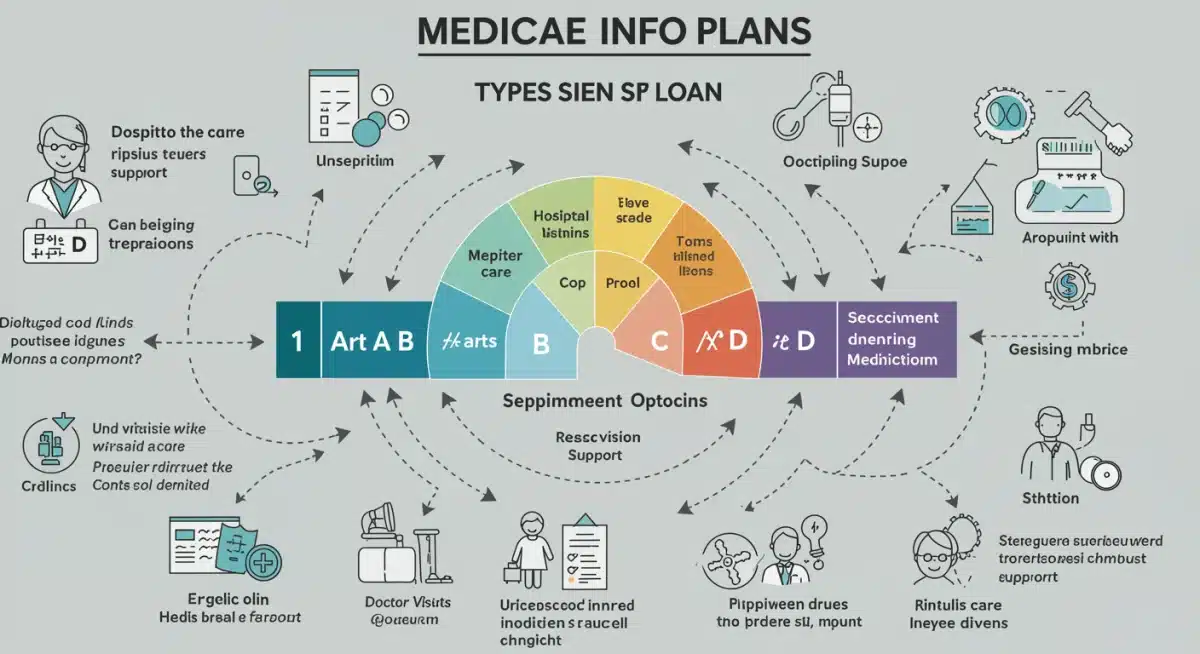
One of the most exciting developments is the expansion of Special Supplemental Benefits for the Chronically Ill (SSBCI) within Medicare Advantage plans. These benefits, which are not available in Original Medicare, can include things like meal delivery, transportation to medical appointments, and even in-home support services.
When reviewing Medicare Advantage plans for 2025, caregivers should pay close attention to the specific supplemental benefits offered. These can significantly reduce out-of-pocket costs and provide much-needed practical assistance. It’s important to compare plans not just on premiums and deductibles, but also on the breadth and relevance of their supplemental offerings to the senior’s individual care needs.
Navigating Enrollment Periods and Eligibility for 2025
Successfully maximizing caregiving benefits hinges on understanding and adhering to Medicare’s enrollment periods and eligibility requirements. The 2025 Medicare Changes will not alter the fundamental structure of these periods, but knowing the deadlines is critical to avoid gaps in coverage or late enrollment penalties.
The main enrollment period that most people are familiar with is the Annual Enrollment Period (AEP), also known as the Open Enrollment Period. During this time, beneficiaries can make changes to their Medicare coverage, such as switching from Original Medicare to a Medicare Advantage plan, or vice versa, and changing Part D prescription drug plans.
Beyond the AEP, there are other crucial enrollment windows. The Initial Enrollment Period (IEP) is for those turning 65 or becoming newly eligible for Medicare due to disability. Special Enrollment Periods (SEPs) exist for individuals who experience certain life events, such as moving or losing other coverage.
Key enrollment periods to remember
- Annual Enrollment Period (AEP): October 15 – December 7 each year. This is the primary time to make changes for the upcoming year.
- General Enrollment Period (GEP): January 1 – March 31 each year. For those who missed their IEP and are not eligible for an SEP.
- Medicare Advantage Open Enrollment Period (MA OEP): January 1 – March 31 each year. Allows individuals enrolled in a Medicare Advantage plan to switch to another MA plan or to Original Medicare.
Caregivers should assist seniors in reviewing their current coverage annually during the AEP to ensure it still meets their needs for 2025. This includes checking if their doctors are still in network, if their prescription drugs are covered, and if any new caregiving benefits have become available in their region. Missing these deadlines can lead to penalties or delays in accessing necessary care.
Financial Planning and Cost-Saving Strategies for Caregivers
The financial aspect of caregiving can be daunting, even with Medicare coverage. The 2025 Medicare Changes may introduce new cost considerations, making strategic financial planning and the implementation of cost-saving measures more important than ever for caregivers supporting seniors.
While Medicare covers a substantial portion of healthcare costs, it doesn’t cover everything. Out-of-pocket expenses, including premiums, deductibles, copayments, and coinsurance, can accumulate rapidly. Additionally, long-term care, such as extended stays in nursing homes or significant in-home personal care, is generally not covered by Medicare, creating a significant financial gap.
Caregivers need to explore all available avenues for financial assistance and cost reduction. This proactive approach can help mitigate the financial burden and ensure that seniors receive the care they need without compromising their financial stability.
Effective strategies for managing costs
- Reviewing Medigap Policies: Supplemental insurance policies can help cover some of the out-of-pocket costs of Original Medicare.
- Exploring State and Local Programs: Many states offer programs that assist with healthcare costs, prescription drugs, or provide direct support to caregivers.
- Utilizing Preventive Services: Medicare covers many preventive screenings and services at no cost, which can help detect and manage health issues early, preventing more expensive care down the line.
Furthermore, understanding the specific financial assistance programs available through Medicare, such as the Medicare Savings Programs (MSPs) or Extra Help for prescription drug costs, can provide substantial relief. Caregivers should also investigate tax deductions or credits that may be available for their caregiving expenses. Thorough financial planning for 2025 is an investment in both the senior’s well-being and the caregiver’s sustainability.
Resources and Support for Caregivers in the Evolving Medicare System
Navigating the complexities of Medicare, especially with the 2025 Medicare Changes, can feel overwhelming. Fortunately, numerous resources and support systems are available to assist caregivers in understanding their options and accessing the best possible care for seniors.
These resources range from governmental agencies to non-profit organizations, all dedicated to providing information, guidance, and direct support. Knowing where to turn for reliable information can significantly ease the burden on caregivers and empower them to make informed decisions.
The evolving Medicare system demands continuous learning and adaptation. Leveraging these support networks is not a sign of weakness but a strategic move toward ensuring comprehensive and effective care. Caregivers should not feel compelled to navigate this intricate system alone.
Key resources for assistance
- Medicare.gov: The official government website is an invaluable source for up-to-date information on Medicare policies, plans, and benefits.
- State Health Insurance Assistance Programs (SHIPs): These programs offer free, unbiased counseling to Medicare beneficiaries and their families.
- Area Agencies on Aging (AAAs): AAAs provide a wide range of services for seniors and caregivers, including information on local resources and support groups.
- Caregiver Support Groups: Connecting with other caregivers can offer emotional support, practical advice, and shared experiences.
Additionally, many healthcare providers and insurance companies offer dedicated helplines and educational materials. Caregivers should also consider consulting with a financial advisor specializing in elder care to optimize financial strategies. Utilizing these resources effectively will be crucial for adapting to the 2025 changes and beyond, ensuring seniors receive the care they deserve while supporting their caregivers.
| Key Aspect | Brief Description |
|---|---|
| Premium/Deductible Changes | Annual adjustments to Medicare Part A/B costs directly impact senior budgets. |
| Expanded Caregiver Benefits | Increased focus on home-based care and supplemental support for caregivers. |
| Medicare Advantage Flexibility | Part C plans offer diverse supplemental benefits, including SSBCI for chronic illness. |
| Crucial Enrollment Periods | Adhering to AEP, IEP, and SEP deadlines is vital for continuous coverage and avoiding penalties. |
Frequently Asked Questions About 2025 Medicare Changes
The primary changes for 2025 Medicare typically involve adjustments to Part A and Part B premiums and deductibles, updates to prescription drug coverage under Part D, and new supplemental benefits offered by Medicare Advantage (Part C) plans, particularly those aimed at home care and chronic conditions.
Caregivers should prepare by reviewing their senior’s current Medicare plan during the Annual Enrollment Period (October 15-December 7), researching new Medicare Advantage plans, consulting with SHIPs, and exploring any state-specific aid programs. Proactive research ensures optimal coverage and minimizes unexpected costs.
While Original Medicare’s coverage for in-home care remains largely focused on skilled medical needs, Medicare Advantage plans are increasingly offering expanded in-home support as supplemental benefits. These can include services like meal delivery, transportation, and limited personal care, often under Special Supplemental Benefits for the Chronically Ill (SSBCI).
The Annual Enrollment Period (AEP), from October 15 to December 7, is crucial for 2025 because it’s the main opportunity to change Medicare plans, switch between Original Medicare and Medicare Advantage, or select a new Part D drug plan. Making timely choices ensures continuous, appropriate coverage for the upcoming year.
While entirely new federal programs are less common, existing financial assistance like Medicare Savings Programs (MSPs) and Extra Help for prescription costs are continually updated with new eligibility thresholds. Caregivers should also investigate state-specific programs and potential tax benefits for caregiving expenses, which can change annually.
Conclusion
The 2025 Medicare Changes represent a continuous evolution of healthcare policy designed to meet the needs of an aging population. For caregivers and seniors, staying abreast of these updates is not just about compliance, but about strategically maximizing benefits to ensure comprehensive, affordable care. By understanding premium adjustments, exploring Medicare Advantage options, adhering to enrollment deadlines, and leveraging available resources, families can navigate the complexities with confidence. Proactive engagement and informed decision-making will be the cornerstones of successful caregiving in the year ahead, securing the well-being and peace of mind for seniors across the nation.