Retail sales and inflation trends: What you need to know
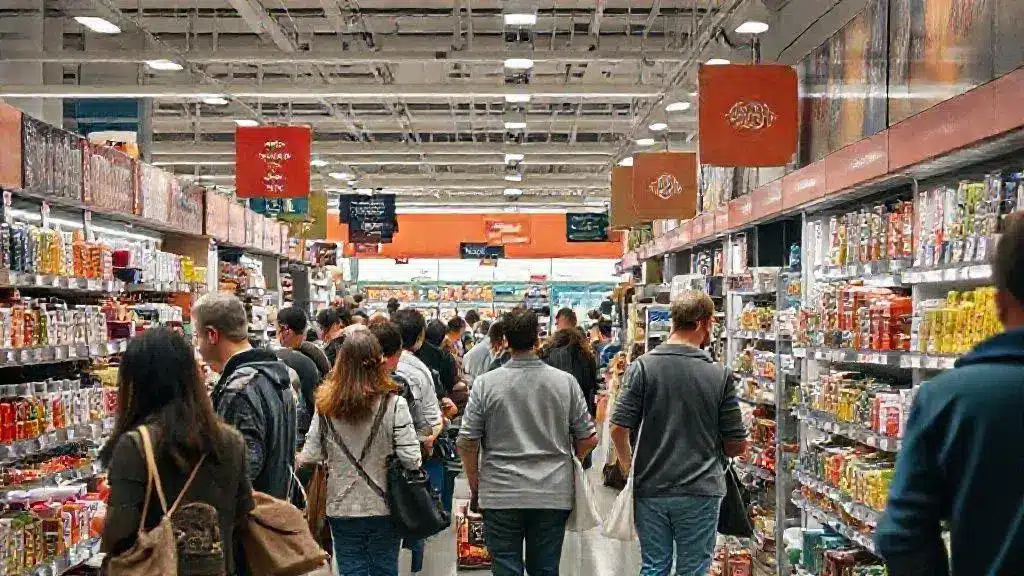
Retail sales and inflation trends are closely linked, with inflation impacting pricing strategies and consumer behavior while seasonal peaks influence sales patterns, making it crucial for retailers to adapt effectively.
Retail sales and inflation trends are critical indicators of economic health. Have you noticed how prices fluctuate and affect what you purchase every month? Let’s dive into this topic.
Understanding retail sales growth
Understanding retail sales growth is essential for anyone who wants to stay informed about market dynamics. It is influenced by various factors, including consumer behavior and economic conditions. Sales growth serves as a vital indicator of how well businesses are performing in a changing market.
Factors Affecting Retail Sales Growth
There are several elements that can significantly impact retail sales growth:
- Consumer confidence: When consumers feel secure in their finances, they are more likely to spend on retail goods.
- Seasonal trends: Certain times of the year lead to increased sales, such as holidays or back-to-school seasons.
- Product availability: Having the right products in stock can drive sales significantly.
- Promotional strategies: Discounts and marketing campaigns can encourage consumers to make purchases.
The relationship between economic conditions and retail sales is another aspect to consider. For instance, if inflation rises, consumers may cut back on spending. This can directly affect business performance and growth. During periods of economic stability, however, consumers tend to spend more freely, boosting retail sales.
Analyzing Sales Growth Data
Businesses often rely on various data sources to measure their sales performance. This data can provide insights into trends and guide future strategies. By analyzing past sales trends, companies can identify what works and what doesn’t. Understanding demographic shifts can also help companies target their marketing efforts more effectively.
Furthermore, tracking online versus in-store sales is crucial. With the rise of e-commerce, businesses must adapt to shifting consumer preferences. Both online and offline sales data contribute to a comprehensive understanding of how to enhance retail experiences.
Retail sales growth isn’t just about numbers; it’s about understanding consumer behavior. By paying attention to what consumers want and need, retailers can create offerings that resonate. Ultimately, a keen insight into retail sales growth can lead to better decision-making and long-term success.
The relationship between inflation and consumer spending
The relationship between inflation and consumer spending is a vital area of study for economists and businesses. Inflation affects how much consumers are willing to spend. When prices rise, households often tighten their budgets. This can lead to decreased spending in various sectors, impacting the overall economy.
How Inflation Impacts Consumer Behavior
Inflation often results in consumers feeling less secure about their financial future. As the cost of goods and services increases, people may prioritize essential items over luxury ones. Here are some key effects:
- Reduced discretionary spending: As prices rise, individuals tend to cut back on non-essential purchases.
- Shift to cheaper alternatives: Consumers may opt for less expensive brands or generic products.
- Increased savings: Faced with uncertainty, many consumers may choose to save rather than spend.
These changing behaviors create a ripple effect on the economy. When spending decreases, businesses may also slow down production, leading to lower job growth. This cycle can exacerbate economic challenges.
The Impact of Inflation on Different Segments
Different demographic groups may respond to inflation in various ways. Families with lower income might feel the pinch from rising prices more severely than higher-income households. Additionally, young consumers might be more likely to change their purchasing habits based on inflation trends. Understanding these differences helps businesses tailor their strategies to meet consumer needs.
Global factors can also play a role in inflation and spending patterns. For instance, international supply chain disruptions can lead to higher prices, further impacting consumer choices. Overall, the relationship between inflation and consumer spending underscores the interconnectedness of economic factors and personal finances.
Impacts of inflation on retail pricing strategies
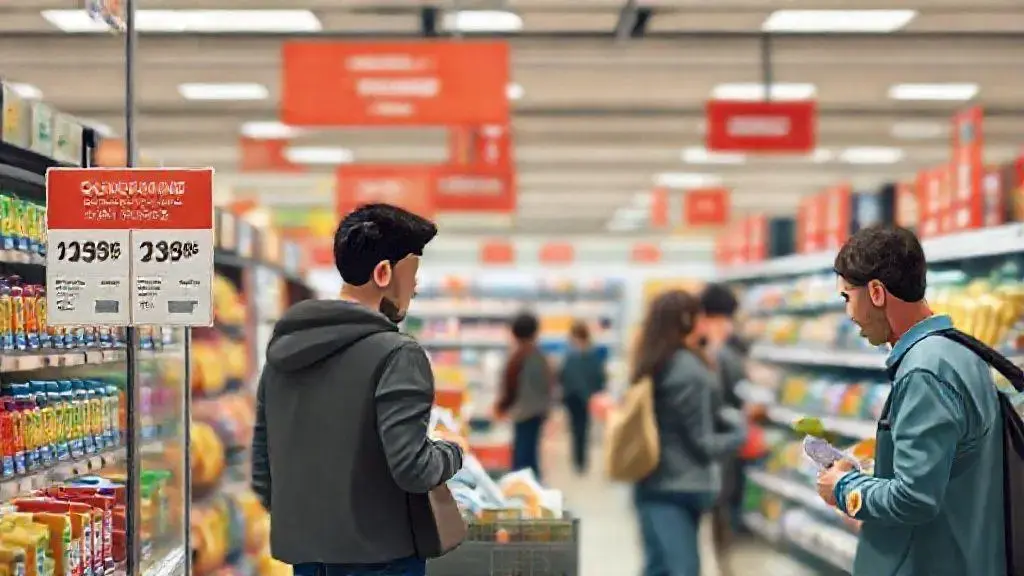
The impacts of inflation on retail pricing strategies are significant and far-reaching. When inflation rates rise, retailers must respond to changing costs to maintain profitability. Understanding how inflation influences pricing is crucial for businesses looking to navigate the economic landscape.
Adjusting Prices During Inflation
One common response to inflation is to increase prices. Retailers often pass on higher costs to consumers to protect their margins. This can involve:
- Price increases: Adjusting the prices of goods to reflect higher production costs.
- Dynamic pricing: Implementing more flexible pricing strategies based on market demand and costs.
- Promotions: Using discounts to attract customers while managing overall price levels.
Such strategies help offset increased costs but can also risk losing customers if they feel prices are too high.
Consumer Reactions to Price Changes
As prices rise, consumer behavior often shifts. Many shoppers become more price-sensitive during inflationary periods. They may start to:
- Seek alternatives: Consumers might turn to generic brands or lower-priced options.
- Reduce spending: When faced with higher prices, people may cut back on non-essential purchases.
- Delay purchases: Consumers may postpone buying until prices stabilize.
This shift can complicate retail pricing strategies, as businesses must balance maintaining sales while managing costs.
Retailers also need to consider their positioning in the market. Those with established brand loyalty may find it easier to increase prices without losing customers. Conversely, retailers in highly competitive markets may struggle to raise prices without impacting sales negatively. By understanding these dynamics, businesses can formulate effective pricing strategies that account for both inflationary pressures and consumer behavior.
Seasonal trends in retail sales
Seasonal trends in retail sales play a crucial role in determining how businesses plan their inventory and marketing strategies throughout the year. Different times of the year can significantly impact consumer behavior and spending patterns, making it essential for retailers to understand these trends.
Understanding Seasonal Peaks
Retail sales often experience peaks during certain seasons, primarily driven by holidays and events. For example:
- Holiday Season: The weeks leading up to major holidays like Christmas see a spike in sales as consumers buy gifts.
- Back-to-School: Late summer brings an increase in spending on school supplies and clothing.
- Black Friday and Cyber Monday: These shopping days have become synonymous with significant discounts and consumer spending.
Each of these periods presents unique opportunities for retailers to capitalize on increased consumer demand.
Impact of Weather on Sales
Besides fixed holidays, weather can also influence retail sales. For instance, warm weather often boosts sales in clothing and outdoor supplies, while cold weather can lead to increased sales of heaters and winter clothing. Retailers need to adapt their inventory to reflect these changes, ensuring they have the right products available at the right time.
Moreover, online shopping has allowed consumers to shop year-round without the constraints of seasonal offerings. This shift means that understanding sales trends is more important than ever. Retailers who analyze past trends can better predict what consumers want as seasons change. This analysis helps them adjust their marketing strategies accordingly while ensuring customers find what they need in-store or online.
Overall, recognizing seasonal trends enables retailers to optimize their sales strategies. By aligning their offerings with consumer demand, businesses can maximize sales opportunities and enhance customer satisfaction.
Future outlook for retail sales and inflation
The future outlook for retail sales and inflation is a critical topic for businesses and consumers alike. Predicting how these elements will interact in the coming years helps stakeholders prepare for potential changes in the market. As economies recover from disruptions, understanding trends becomes more paramount.
Forecasting Retail Sales Growth
Analysts expect that retail sales will continue to grow, albeit at a different pace than in previous years. Factors influencing this growth include:
- E-commerce expansion: Online shopping is likely to keep rising, driven by consumer convenience and technological improvements.
- Shifts in consumer behavior: As people adjust to a post-pandemic world, preferences for specific products may change.
- Demographic changes: Millennials and Gen Z are projected to have significant purchasing power in the near future.
These elements will shape how retailers strategize their offerings, targeting these demographics effectively.
Inflation Trends
Inflation’s trajectory is also vital to monitor. If inflation rates continue to rise, businesses may need to adjust their pricing strategies to stay competitive. Consumers may feel the pressure, potentially altering spending habits. As inflation impacts purchasing decisions, retailers must be proactive in managing inventories and marketing strategies.
Rising costs of materials and labor could lead to further price increases. Retailers may seek efficiency improvements and technology adoption to mitigate these effects. Innovative solutions and agile supply chain management will be crucial in navigating the challenges of inflation.
The intersection of retail sales growth and inflation creates a complex environment. Businesses that stay informed and adapt quickly are better positioned to thrive. Keeping a close eye on these factors allows retailers to respond to market demands and make strategic decisions that ensure longevity and success in the market.
In conclusion, the interplay between retail sales and inflation is significant for businesses and consumers alike. As we look ahead, it is clear that retailers must adapt to changing consumer behaviors and economic conditions swiftly. Understanding seasonal trends, adjusting pricing strategies, and keeping an eye on inflation will be crucial for success. By staying informed and proactive, retailers can enhance customer satisfaction and thrive in a dynamic market where both sales and inflation will continue to evolve.
FAQ – Frequently Asked Questions about Retail Sales and Inflation
How does inflation affect retail pricing strategies?
Inflation can lead retailers to increase prices to maintain profit margins, but they must also be mindful of how this affects consumer spending.
What seasonal trends should retailers be aware of?
Retailers should watch for peaks during holidays, back-to-school seasons, and special shopping days like Black Friday, as these greatly influence sales.
How can retailers adapt to changing consumer behavior?
By analyzing shopping trends and preferences, retailers can adjust their product offerings and marketing strategies to better meet consumer needs.
What is the outlook for retail sales in the future?
Forecasts suggest retail sales will grow with the rise of e-commerce and changing demographics, but inflation will also play a significant role in shaping these trends.