Unemployment Insurance 2025: State Benefits Compared
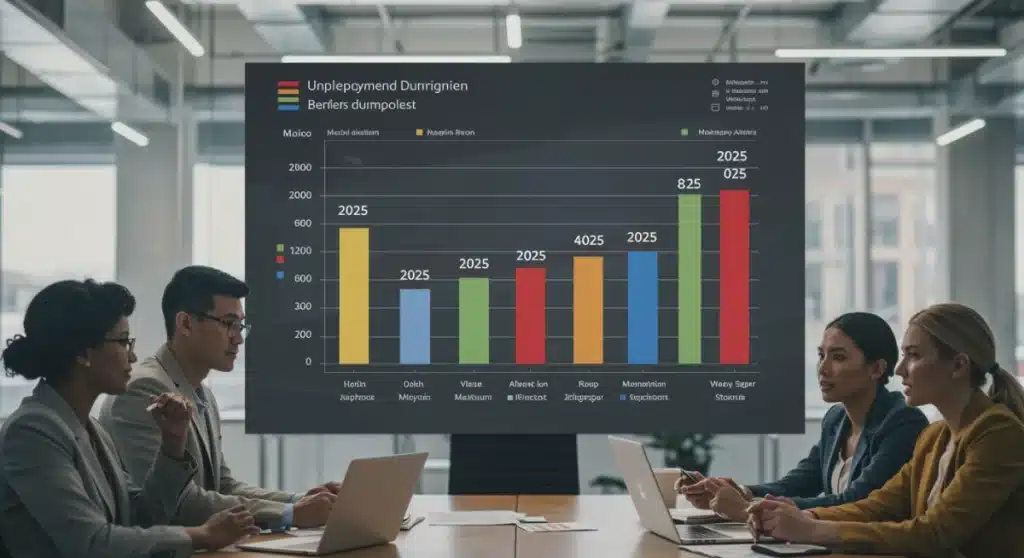
Navigating unemployment insurance in 2025 requires understanding state-specific benefit durations and maximum weekly payouts, which vary significantly across the United States and directly impact financial stability during job loss.
As we look ahead to 2025, understanding the landscape of unemployment insurance in 2025 is more critical than ever for American workers. This vital safety net provides temporary financial assistance to eligible individuals who are unemployed through no fault of their own. However, the specifics of these benefits—how long they last and how much they pay—are not uniform across the nation, varying significantly from state to state.
The foundation of unemployment insurance in the US
Unemployment insurance (UI) programs are a joint federal-state venture, established by the Social Security Act of 1935. While the federal government sets broad guidelines, individual states administer their own programs, leading to a diverse array of rules, eligibility criteria, and benefit structures. This decentralization means that a worker in California might experience a vastly different UI claim process and benefit package than someone in Texas or New York, even if their employment circumstances are similar.
The core purpose of UI remains consistent: to provide a temporary income floor for workers who lose their jobs involuntarily, helping them meet basic needs while they search for new employment. This not only supports individuals but also stabilizes local economies during downturns. The system is funded primarily through employer taxes, which vary based on a company’s layoff history. Understanding this foundational structure is the first step toward appreciating the complexities of UI benefits.
Eligibility requirements: a state-by-state puzzle
Each state sets its own eligibility criteria for unemployment benefits, but common themes emerge. Generally, claimants must have:
- Earned a certain amount of wages during a “base period” (typically the first four of the last five completed calendar quarters before filing a claim).
- Lost their job through no fault of their own (e.g., laid off, not fired for misconduct or voluntarily quit without good cause).
- Be able and available to work, and actively seeking employment.
These requirements are not static and can be influenced by economic conditions or legislative changes. For instance, some states might have stricter definitions of “good cause” for quitting, or higher base period earnings thresholds. It’s essential for individuals to consult their specific state’s unemployment agency for the most accurate and up-to-date information, as these details directly impact whether a claim is approved.
In conclusion, the fundamental framework of unemployment insurance underscores its role as a critical economic stabilizer. While federal guidelines provide a baseline, the state-level administration introduces significant variations in eligibility, necessitating a detailed understanding of local regulations for anyone navigating job loss in 2025.
Comparing state benefit durations in 2025
One of the most significant differences across state unemployment insurance programs is the duration for which benefits are paid. In 2025, most states are expected to maintain a standard benefit duration of 26 weeks. However, this is not a universal rule, and some states have historically offered shorter or longer periods, or have mechanisms to adjust durations based on economic conditions. This variability can have a profound impact on an individual’s financial planning during unemployment.
For example, during periods of high unemployment, federal programs might temporarily extend benefit durations, as seen during the COVID-19 pandemic. While such federal extensions are typically ad-hoc responses to crises, some states have their own extended benefit triggers tied to their specific unemployment rates. It’s crucial for claimants to understand their state’s standard duration and whether any state-specific extended benefit provisions might apply in 2025.
States with varying benefit periods
While 26 weeks is common, a handful of states might offer shorter durations, especially those with lower unemployment rates or more conservative fiscal policies. Conversely, states with consistently higher unemployment or robust social safety nets might offer slightly longer periods, or be quicker to trigger extended benefits during economic downturns. These differences reflect diverse state philosophies regarding unemployment support and economic resilience.
- Shortened Durations: Some states have implemented shorter maximum benefit periods, often 20 or 24 weeks, particularly in recent years.
- Standard Durations: The majority of states adhere to the traditional 26-week maximum benefit period.
- Extended Benefits: Federal and state extended benefit programs can prolong duration during severe economic conditions, though these are not guaranteed for 2025 without specific triggers.
The duration of benefits directly influences how long an individual can rely on UI as a primary source of income. This makes it a critical factor in understanding the overall support available. Claimants should not assume a universal 26-week period but rather confirm their state’s specific maximum duration, particularly as economic forecasts for 2025 remain dynamic.
In summary, the duration of unemployment benefits in 2025 will largely depend on the specific state where a claim is filed. While 26 weeks is a common benchmark, variations exist, and understanding these differences is essential for effective financial planning during periods of joblessness.
Maximum weekly payouts across the states
Beyond duration, the maximum weekly payout is another critical component of unemployment insurance that varies considerably by state. This figure represents the highest amount an eligible individual can receive in unemployment benefits each week. These maximums are typically determined by a formula that considers the claimant’s past earnings, but they are capped to ensure fiscal sustainability and encourage a return to work.
The range of maximum weekly payouts across the United States is quite broad, reflecting differences in cost of living, average wages, and state-specific economic policies. A maximum benefit in a high-cost-of-living state like Massachusetts or Hawaii might be significantly higher than in a lower-cost state like Mississippi or Alabama. This disparity highlights the localized nature of UI benefits and how they are tailored, to some extent, to regional economic realities.
Factors influencing weekly benefit amounts
While the maximum is a cap, the actual weekly benefit amount (WBA) for an individual is usually calculated as a percentage of their average weekly wages during their base period. Most states use a formula that aims to replace a portion of previous earnings, typically around 40% to 50%, up to the state’s maximum. Other factors can also influence the WBA:
- Dependent Allowances: A few states offer additional allowances for dependents, which can slightly increase the weekly benefit amount.
- Base Period Earnings: Higher earnings during the base period generally lead to higher weekly benefits, up to the state maximum.
- Partial Employment: If a claimant works part-time while receiving benefits, their WBA may be reduced by a certain formula, but they might still qualify for some assistance.

Understanding the maximum weekly payout is crucial for budgeting and financial stability. It helps individuals anticipate the level of support they can expect and plan accordingly, potentially needing to supplement UI benefits with savings or other resources. It’s important to remember that these maximums are reviewed periodically by state legislatures and can change year to year, so checking the most current figures for 2025 is advisable.
In conclusion, the maximum weekly unemployment benefit in 2025 will be a state-specific figure, influenced by local economic conditions and wage levels. Claimants should familiarize themselves with their state’s maximum to accurately estimate their potential financial support.
Eligibility criteria and qualifying wages
Beyond the general requirement of losing a job through no fault of one’s own, the specific eligibility criteria for unemployment insurance benefits in 2025 are detailed and vary by state. A critical component of eligibility is having earned sufficient wages during a designated “base period.” This ensures that benefits are provided to individuals with a recent history of employment and contributions to the UI system.
The base period is typically defined as the first four of the last five completed calendar quarters immediately preceding the effective date of a claim. For example, if you file a claim in April 2025, your base period would generally be January 1, 2024, to December 31, 2024. States set minimum earnings requirements within this base period, which can be a flat amount, a multiple of the weekly benefit amount, or a combination of both. Failure to meet these qualifying wage thresholds will result in ineligibility, regardless of how the job loss occurred.
Understanding the base period and monetary eligibility
Each state calculates monetary eligibility differently, but the underlying principle is to ensure a claimant has demonstrated a significant attachment to the workforce. This often involves:
- Minimum Total Earnings: A specific dollar amount earned during the entire base period.
- Earnings in Two Quarters: Some states require earnings in at least two different quarters of the base period to prevent claims from individuals with very short-term employment.
- High Quarter Earnings: A minimum amount earned in the highest-earning quarter of the base period.
These monetary requirements are designed to prevent fraudulent claims and ensure the system supports those who have genuinely contributed to the workforce. For individuals transitioning between jobs or with irregular work histories, understanding these specific wage requirements for their state in 2025 will be paramount. It’s not uncommon for claims to be denied based solely on not meeting the monetary eligibility criteria, even if all other conditions are met.
In essence, qualifying for unemployment insurance in 2025 goes beyond just the reason for job separation; it fundamentally depends on a claimant’s earnings history during the base period. Thoroughly understanding these state-specific wage requirements is a crucial step in a successful UI claim.
The application process and what to expect
Applying for unemployment insurance benefits in 2025 will largely follow established procedures, but staying informed about state-specific nuances is key. The process typically begins online through your state’s unemployment agency website, though phone applications may also be available. The initial application requires detailed personal information, employment history, and reasons for job separation. Accuracy and completeness are paramount to avoid delays.
After filing, claimants can expect a waiting period, which varies by state but is often about one week. During this time, the state agency reviews the application and verifies information with previous employers. This review process determines eligibility based on state laws regarding the reason for separation and monetary qualifications. It’s not uncommon for employers to contest claims, which can lead to further investigation and potentially a hearing.
Navigating the claim process and common pitfalls
Once a claim is approved, claimants are generally required to file weekly or bi-weekly certifications, attesting to their continued eligibility. This includes confirming they are able and available for work, actively seeking employment, and reporting any earnings from part-time work. Failure to file these certifications on time or accurately can result in delayed or denied benefits.
- Timely Application: Apply as soon as you become unemployed; delays can impact benefit start dates.
- Accurate Information: Provide precise details on employment history and job separation to avoid issues.
- Active Job Search: Document all job search activities, as states often require proof.
- Report Earnings: Be honest about any income earned, even from temporary or part-time work, to prevent overpayment issues.
Claimants should also be prepared for potential appeals if their initial claim is denied. Understanding the appeals process in their state, including deadlines for filing appeals and what to expect at a hearing, is vital. While the process can seem daunting, state unemployment agencies usually provide resources and guidance to help applicants navigate their systems. Proactive engagement and attention to detail will be crucial for a smooth application process in 2025.
In summary, the unemployment insurance application process in 2025 demands careful attention to detail and adherence to state-specific requirements. Understanding each step, from initial application to weekly certification, is essential for a successful claim and timely receipt of benefits.
Impact of economic conditions on UI benefits
The economic climate plays a significant role in shaping unemployment insurance benefits, both at the federal and state levels. In 2025, the overall health of the economy, including unemployment rates, inflation, and job growth, will heavily influence how UI programs operate and adapt. During economic downturns, the demand for UI benefits surges, putting a strain on state trust funds and often prompting federal intervention to extend or enhance benefits.
Conversely, in periods of robust economic growth and low unemployment, states might consider tightening eligibility requirements or reducing benefit durations to ensure the long-term solvency of their UI programs. These adjustments are often debated and implemented through legislative action, highlighting the political and economic factors intertwined with unemployment support. The balance between providing an adequate safety net and maintaining fiscal responsibility is a constant challenge for policymakers.
Future outlook and potential changes for 2025
Looking ahead to 2025, several factors could influence the landscape of unemployment insurance:
- Inflationary Pressures: Persistent inflation could lead to discussions about increasing maximum weekly benefit amounts to better reflect the rising cost of living, though legislative action would be required.
- Labor Market Shifts: Ongoing changes in the labor market, such as the rise of the gig economy and remote work, may prompt states to re-evaluate how these types of employment fit into traditional UI eligibility frameworks.
- State Trust Fund Solvency: States with depleted UI trust funds from previous economic crises may implement stricter rules or higher employer taxes to rebuild reserves, potentially impacting benefits.
The federal role in UI, particularly regarding emergency extensions, is also a constant point of discussion. While no federal extensions are currently planned for 2025, a significant economic shock could quickly alter this. Therefore, individuals and employers alike should monitor economic indicators and legislative developments closely, as these will directly impact the availability and structure of unemployment insurance benefits.
To summarize, the economic conditions of 2025 will be a primary driver of changes and adjustments within unemployment insurance programs. From benefit durations to weekly payouts, the UI system is dynamically responsive to the broader economic environment, requiring continuous monitoring by those it serves.
Resources and advocacy for claimants
Navigating the complexities of unemployment insurance in 2025 can be challenging, but numerous resources and advocacy groups exist to support claimants. Understanding where to turn for accurate information and assistance is crucial, especially when facing denials or appeals. State unemployment agencies themselves are the primary source of information, offering detailed guides, FAQs, and contact information on their official websites.
Beyond state agencies, various non-profit organizations and legal aid services specialize in employment law and unemployment benefits. These groups can provide invaluable assistance, from helping to understand eligibility requirements to representing claimants in appeals hearings. Their expertise can be particularly beneficial for individuals facing complicated situations or systemic barriers.
Where to find reliable information and support
For individuals seeking unemployment benefits in 2025, a multi-pronged approach to gathering information and support is often most effective:
- State Unemployment Agency Websites: Always the first stop for official rules, application forms, and contact details specific to your state.
- Department of Labor: The U.S. Department of Labor website offers federal guidelines and links to state agencies, providing a broader overview.
- Legal Aid Societies: These organizations often provide free or low-cost legal assistance for employment-related issues, including UI claims.
- Worker Advocacy Groups: Non-profits focused on workers’ rights can offer guidance, resources, and sometimes direct assistance.
It’s also beneficial to connect with local community support networks, which may offer information on additional assistance programs, job search resources, or peer support. When seeking information, always prioritize official government sources and reputable non-profit organizations to ensure accuracy. Be wary of unofficial sites that might offer outdated or misleading advice. Proactive engagement with available resources can significantly improve a claimant’s experience and outcome.
In conclusion, a wealth of resources and advocacy support is available for unemployment insurance claimants in 2025. Utilizing official state agencies, legal aid, and worker advocacy groups can empower individuals to effectively navigate the system and secure the benefits they are entitled to.
| Key Aspect | Description for 2025 |
|---|---|
| Benefit Duration | Typically 26 weeks, but varies by state; some offer shorter periods or trigger extensions based on economic conditions. |
| Weekly Payouts | Maximum amounts differ significantly by state, reflecting local cost of living and wage levels. Individual benefits based on past earnings up to state cap. |
| Eligibility Criteria | Must have lost job through no fault of your own and earned sufficient qualifying wages during a state-defined base period. |
| Application Process | Typically online, requiring accurate personal and employment history. Followed by weekly certifications and potential appeals. |
Frequently asked questions about unemployment insurance in 2025
While the federal standard suggests up to 26 weeks, the actual maximum duration varies by state. Some states may offer shorter periods, while others have provisions for extended benefits during severe economic downturns, though these are not guaranteed for 2025.
Maximum weekly payouts are set by individual states, reflecting local cost of living and average wages. Your specific weekly benefit amount is usually a percentage of your past earnings, capped at the state’s maximum, and may include dependent allowances in some states.
To be eligible, you must have lost your job through no fault of your own, be able and available to work, actively seeking new employment, and have earned a minimum amount of wages during your state’s designated base period.
Absolutely. Economic conditions like unemployment rates and inflation can influence UI benefit durations, maximum payouts, and eligibility rules. During recessions, federal extensions may occur, while strong economies might lead to stricter state policies to maintain trust fund solvency.
If your claim is denied, consult your state’s unemployment agency website for appeal instructions and deadlines. Additionally, legal aid societies and worker advocacy groups often provide free or low-cost assistance and representation for claimants navigating the appeals process, offering crucial support.
Conclusion
Understanding unemployment insurance in 2025 is paramount for any American worker, given the significant state-by-state variations in benefit durations and maximum weekly payouts. The UI system, a critical safety net, demands close attention to state-specific eligibility criteria, application processes, and the dynamic influence of economic conditions. By staying informed and utilizing available resources, individuals can better navigate periods of joblessness, ensuring they access the support designed to help them transition back into the workforce effectively.